T4R Ultra-Premium Header

AI governance

The Rise of Domain-Specific AI Models in Enterprise Technology
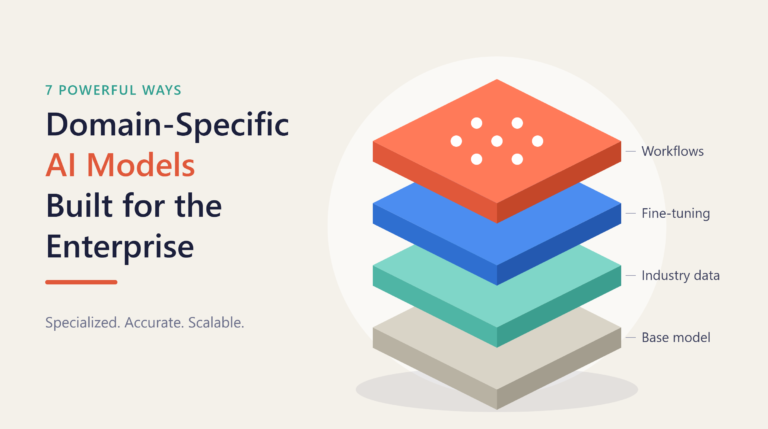
Domain-Specific AI Models

Artificial intelligence is moving beyond the era of one-size-fits-all models. Domain-Specific AI Models are emerging as an important approach for enterprises that need AI systems designed around particular industries, business functions, workflows, and specialized knowledge. Instead of relying entirely on…
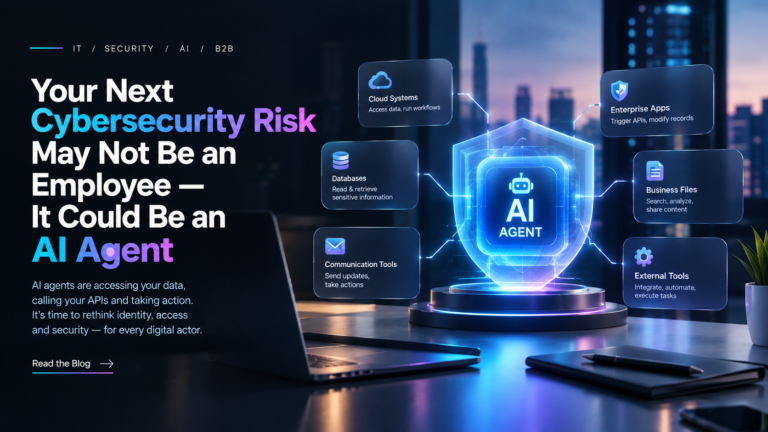
AI Agent Security: 7 Critical Ways to Protect Enterprise Systems

AI agent security

AI is moving beyond generating text, analyzing information, and answering questions. Increasingly, organizations are deploying AI agents that can interact with enterprise applications, access information, call APIs, execute workflows, and take actions with limited human intervention. This shift creates significant…

Configuration Inheritance Problem: 7 Critical Risks of AI-Generated IT Changes

Configuration Inheritance Problem

The Configuration Inheritance Problem is becoming an important challenge for enterprises adopting AI-driven IT automation. Modern applications, cloud platforms, databases, identity systems, APIs, security tools, and infrastructure services depend on thousands of configuration settings. As AI increasingly generates and modifies…

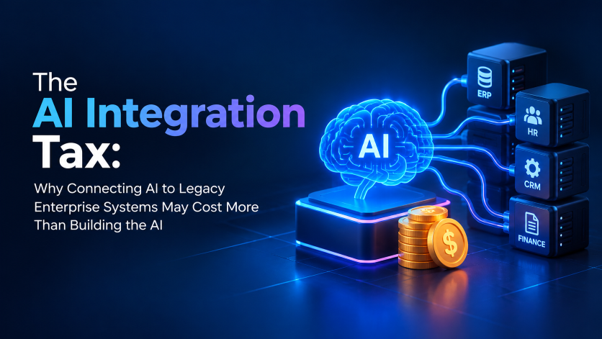
The AI Integration Tax: 7 Powerful Ways Legacy Systems Can Make AI More Expensive

AI integration tax

The AI integration tax is becoming one of the most important—and least discussed—costs of enterprise artificial intelligence. Organizations can access increasingly capable AI models that reason, analyze information, generate content, support employees, and automate complex tasks. Yet getting those capabilities…

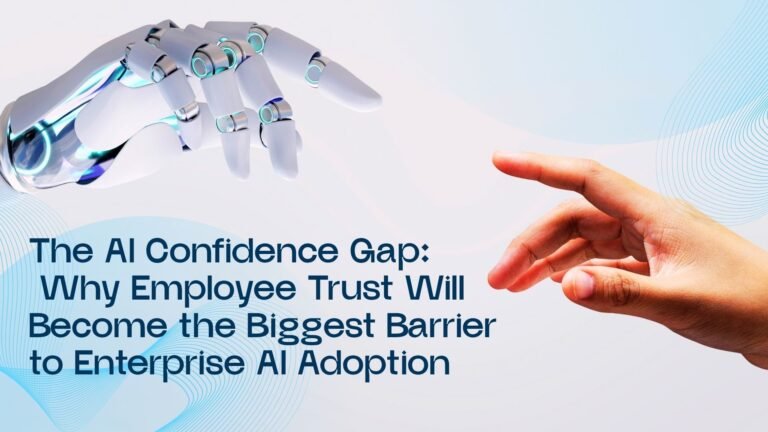
Employee Trust in AI: 7 Powerful Ways to Close the Enterprise AI Confidence Gap

Employee Trust in AI and enterprise AI adoption

Artificial intelligence has moved rapidly from an experimental technology discussed by innovation teams to an increasingly visible part of everyday enterprise operations. Employees are using AI to write emails, analyse documents, create presentations, summarise meetings, research customers, generate code, interpret…