Zero-Click Marketing: How Brands Win Without Website Traffic
In the traditional digital marketing model, success was often measured by how much traffic a website could generate. Clicks were the currency, and every campaign aimed to drive users from one platform to another. However, the rise of zero-click behavior is reshaping this approach. Today, users increasingly consume information directly on platforms like search engines and social media without ever visiting a website. In this evolving landscape, brands must rethink their strategies and learn how to deliver value where their audience already spends time.
Understanding Zero-Click Behavior –
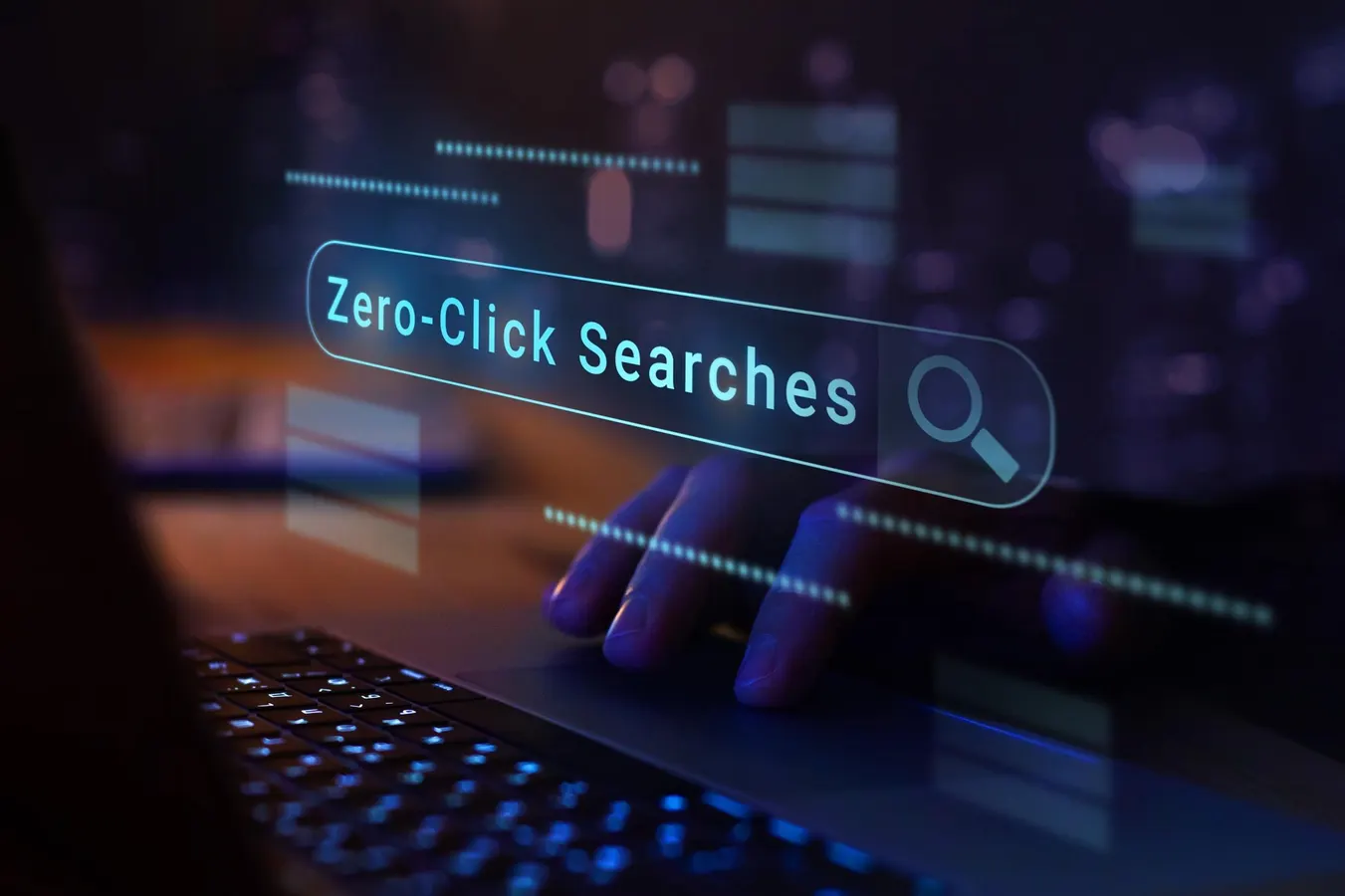
Zero-click marketing refers to content and strategies designed to provide immediate value without requiring users to click through to a website. This behavior is driven by convenience and speed—users want quick answers, insights, or entertainment without navigating multiple pages. Search engine result pages, featured snippets, social media posts, and in-app content formats are all contributing to this shift.
Instead of resisting this trend, forward-thinking brands are embracing it by optimizing their presence directly within these platforms.
The Shift from Traffic to Attention –
In a zero-click world, attention becomes more valuable than traffic. Brands are no longer competing solely for clicks but for visibility and engagement within platform ecosystems. A well-crafted post, an informative carousel, or a short-form video can deliver impact without ever leading to a website.
This shift requires a change in mindset. Marketers must focus on delivering complete, high-value content in a single interaction rather than teasing information behind a link.
Content That Lives on Platforms –
To succeed in zero-click marketing, content must be native to the platform where it is published. This means creating content specifically designed for each channel rather than repurposing website material. For example, social media posts should be informative and engaging on their own, while search engine content should directly answer user queries.
Micro-content formats—such as bite-sized tips, quick tutorials, and visual summaries—perform particularly well in this environment. The goal is to provide instant value that builds trust and encourages users to engage further with the brand over time.
Leveraging Search Features and SERP Real Estate –
Search engines now offer multiple ways for users to get information without clicking on a link. Featured snippets, knowledge panels, and “People Also Ask” sections allow brands to gain visibility directly on the results page.
By structuring content to answer specific questions clearly and concisely, brands can increase their chances of being featured in these prominent positions. This not only boosts visibility but also establishes authority and credibility in the eyes of users.
Social Media as a Primary Destination –
Social media platforms are no longer just distribution channels—they are destinations in their own right. Users consume, interact, and even make purchasing decisions without leaving the platform.
Brands that succeed in zero-click marketing treat social media as a full-fledged content ecosystem. They invest in storytelling, community engagement, and interactive formats such as polls, live sessions, and comments. The focus is on building relationships rather than redirecting traffic.
Building Brand Recall and Trust –
One of the key advantages of zero-click marketing is its ability to strengthen brand recall. When users repeatedly encounter valuable content from a brand, they begin to recognize and trust it—even without visiting its website.
Over time, this trust translates into direct searches, referrals, and conversions. Users may not click immediately, but they remember the brand when they are ready to make a decision.
Measuring Success Beyond Clicks –
Traditional metrics like click-through rates are less relevant in a zero-click environment. Instead, brands should focus on engagement metrics such as impressions, reach, shares, comments, and time spent on content.
These indicators provide a better understanding of how well content resonates with the audience. Additionally, tracking brand mentions and direct traffic can help measure the long-term impact of zero-click strategies.
Balancing Zero-Click and Owned Channels –
While zero-click marketing is powerful, it should not completely replace owned channels like websites and email lists. Instead, it should complement them. Platforms can be used to build awareness and engagement, while owned channels serve as deeper engagement and conversion hubs.
The key is to create a seamless ecosystem where users can interact with the brand across multiple touchpoints without feeling forced to click.
Traditional vs Zero-Click Marketing –
| Aspect | Traditional Marketing Approach | Zero-Click Marketing Approach |
| Primary Goal | Drive website traffic | Capture attention and engagement |
| User Journey | Multi-step (click → website → conversion) | Instant value within the platform |
| Content Strategy | Teaser content leading to links | Complete, value-driven content in one interaction |
| Platforms Role | Traffic sources | Content consumption destinations |
| Metrics | Click-through rate (CTR), website visits | Impressions, engagement, shares, watch time |
| SEO Focus | Ranking to get clicks | Featured snippets, SERP visibility |
Conclusion –
Zero-click marketing represents a fundamental shift in how brands approach digital engagement. Instead of chasing clicks, successful brands focus on delivering value directly within the platforms their audiences use every day. By creating native content, optimizing for visibility, and prioritizing trust and engagement, businesses can thrive even without driving website traffic.
In this new era, winning is not about how many users visit your site—it’s about how effectively you capture attention, build relationships, and stay top-of-mind. Brands that embrace this approach will not only adapt to changing user behavior but also gain a competitive edge in an increasingly crowded digital landscape.