Introduction: IT as the Catalyst for Intelligent B2B Ecosystems–
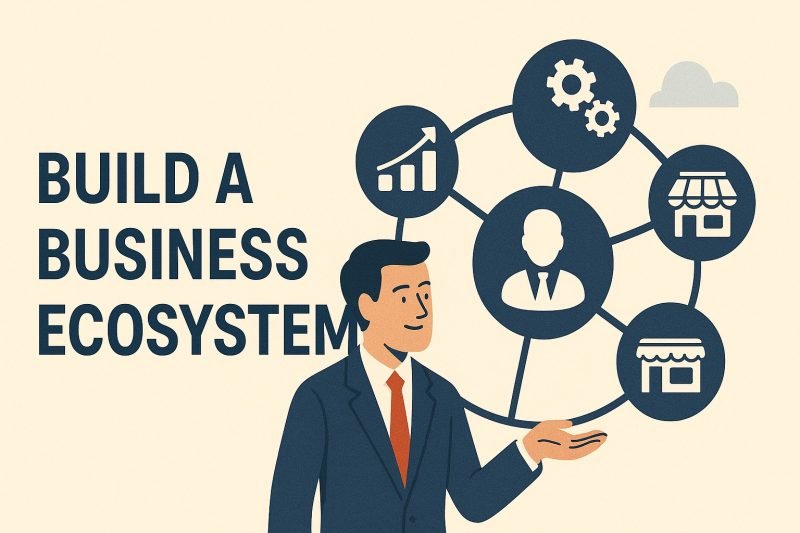
In the modern digital economy, B2B enterprises are no longer operating in isolation but as part of interconnected ecosystems driven by data and technology. IT plays a central role in enabling these intelligent ecosystems by connecting systems, partners, and processes into a unified network. Organizations leverage advanced platforms like SAP to integrate operations across supply chains, finance, and customer management. These ecosystems allow businesses to collaborate more effectively and respond to market changes in real time. IT infrastructure ensures seamless communication between stakeholders, enabling data to flow freely across the network. This shift marks a transition from linear business models to dynamic, network-based operations. Intelligent ecosystems are now the foundation of future-ready B2B enterprises.
- Connects multiple stakeholders into a unified ecosystem
- Enables real-time collaboration and communication
- Supports scalable and interoperable architectures
Data Networks: The Core of Intelligent B2B Systems-
Data networks form the backbone of intelligent B2B ecosystems, enabling the exchange of information across organizations. IT plays a critical role in building and managing these networks to ensure reliability and performance. Companies use cloud platforms like Amazon Web Services to store and process vast amounts of data generated across the ecosystem. These networks integrate data from suppliers, partners, customers, and internal systems. IT teams ensure that data is standardized, accessible, and secure. Real-time data sharing allows businesses to make faster and more informed decisions. Advanced analytics and AI tools transform raw data into actionable insights. However, managing large-scale data networks requires robust governance and infrastructure. IT ensures that data flows seamlessly without compromising quality or security. This capability is essential for driving efficiency and innovation in B2B environments.
- Enables seamless data exchange across organizations
- Integrates multiple data sources into a unified system
- Supports real-time decision-making
Integration and Interoperability Through IT Systems-
Integration and interoperability are key factors in building intelligent B2B ecosystems, and IT is responsible for making them possible. Enterprises rely on APIs, middleware, and microservices to connect diverse systems and applications. Platforms like IBM provide solutions that facilitate integration across complex IT environments. IT teams design architectures that allow different systems to communicate seamlessly, regardless of their underlying technologies. This ensures that data and processes can flow smoothly across the ecosystem. Interoperability also enables collaboration between organizations with different IT infrastructures. Without proper integration, ecosystems become fragmented and inefficient. IT plays a crucial role in maintaining consistency and reliability across interconnected systems. Continuous monitoring and optimization are necessary to ensure performance. By enabling integration, IT transforms isolated systems into cohesive and intelligent networks.
- Connects systems using APIs and middleware
- Ensures seamless communication across platforms
- Supports interoperability between different technologies
Security, Governance, and Trust in Data Ecosystems
As B2B ecosystems grow, security and governance become critical concerns that IT must address. Data sharing across multiple organizations increases the risk of breaches and unauthorized access. IT teams implement security frameworks and standards from organizations like National Institute of Standards and Technology to protect sensitive information. Governance policies ensure that data is used responsibly and complies with regulations. IT also establishes access controls, encryption, and monitoring systems to maintain security. Building trust among ecosystem participants is essential for collaboration. Companies must be confident that their data is secure and used appropriately.
- Ensures compliance with regulations and standards
- Establishes data governance policies
- Builds trust among ecosystem participants
Innovation and Future Growth Through Intelligent Ecosystems-
Intelligent B2B ecosystems are not just about connectivity—they are powerful drivers of innovation and growth. IT enables organizations to leverage emerging technologies such as AI, IoT, and automation to enhance their ecosystems. Tools like ChatGPT can be integrated to improve communication, customer engagement, and decision-making. IT teams identify opportunities to innovate and create new value within the ecosystem. Data-driven insights allow businesses to anticipate trends and adapt strategies. Collaboration within ecosystems fosters innovation by combining expertise and resources. IT also supports scalability, enabling ecosystems to grow and evolve over time.
- Drives innovation through advanced technologies
- Enables data-driven decision-making
- Supports scalability and continuous growth
- Enhances collaboration and value creation
Conclusion –
IT plays a transformative role in creating intelligent B2B ecosystems and data networks, enabling organizations to move beyond traditional business models. By connecting systems, managing data networks, and ensuring integration, IT forms the foundation of these interconnected environments. It also addresses critical challenges such as security, governance, and trust, which are essential for successful collaboration. Intelligent ecosystems empower businesses to innovate, adapt, and compete in a rapidly evolving market. As technologies continue to advance, the importance of IT in shaping these ecosystems will only increase.