

Digital transformation has become a strategic priority for organizations across industries. Businesses are investing heavily in cloud computing, artificial intelligence (AI), automation, data analytics, and modern enterprise applications to improve efficiency and stay competitive. Yet despite these investments, many digital transformation initiatives fail to deliver the expected results.
Research consistently shows that a significant percentage of digital transformation projects either exceed budgets, miss deadlines, or fail to achieve their intended business outcomes. The problem often isn’t the technology itself—it’s the strategy, execution, and organizational alignment behind it.
This article explores the most common reasons digital transformation projects fail and the practical strategies successful companies use to achieve measurable results.
Understanding Why Digital Transformation Projects Fail
Understanding why digital transformation projects fail is the first step toward building a successful modernization strategy. Many organizations invest heavily in cloud computing, artificial intelligence (AI), and automation without defining clear business objectives or preparing their workforce for change. As a result, projects often exceed budgets, face delays, or fail to deliver measurable business value. By identifying these common challenges early, companies can create a more effective digital transformation roadmap that aligns technology with long-term business goals.ents, even the most advanced technologies can fail to generate meaningful business impact.
Lack of a Clear Business Strategy
One of the biggest reasons digital transformation projects fail is the absence of clearly defined business objectives.
Many organizations begin implementing new technologies simply because competitors are doing so or because emerging technologies appear promising. Without measurable goals, projects quickly lose direction.
Successful companies:
- Define measurable KPIs before implementation.
- Align technology investments with business objectives.
- Establish realistic timelines and budgets.
- Prioritize initiatives based on business value.
Poor Leadership and Executive Support
Digital transformation requires strong leadership from the executive team.
Without executive sponsorship, departments often work independently, resulting in fragmented systems, duplicated efforts, and conflicting priorities.
Successful companies:
- Secure active executive sponsorship.
- Create cross-functional leadership teams.
- Regularly review transformation progress.
- Foster a culture of accountability.
Leadership commitment ensures transformation remains a strategic business initiative rather than just an IT project.
Lack of Strategic Vision
A major reason why digital transformation projects fail is the absence of a well-defined strategic vision. Many enterprises adopt emerging technologies without identifying the business problems they want to solve. Instead of chasing trends, successful organizations align every digital initiative with measurable goals, customer expectations, and long-term growth strategies. This strategic alignment significantly reduces the risks associated with digital transformation.
Successful companies:
- Invest in employee training.
- Communicate the benefits of transformation clearly.
- Involve employees early in the process.
- Celebrate quick wins to build momentum.
Digital transformation succeeds when people embrace new ways of working.
Legacy Systems Slow Down Innovation
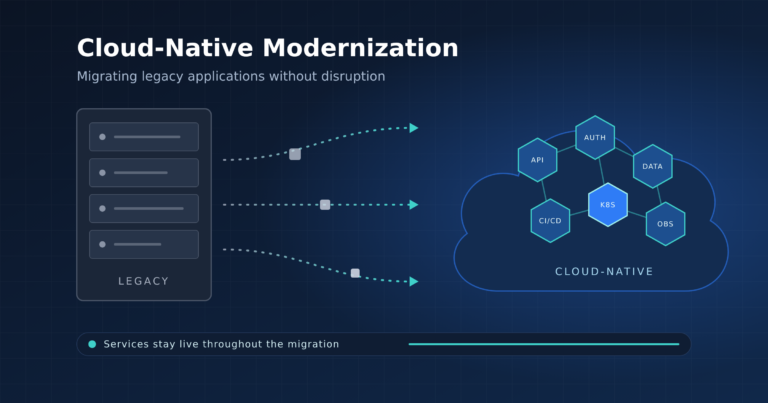
Many enterprises still rely on outdated infrastructure that cannot integrate with modern cloud platforms or AI-driven applications.
Legacy systems increase maintenance costs, create security risks, and limit scalability.
Successful companies:
- Modernize legacy applications gradually.
- Use APIs to integrate existing systems.
- Adopt cloud-native architectures.
- Build scalable digital platforms.
Rather than replacing everything at once, they follow phased modernization strategies that reduce operational risks.
Why Digital Transformation Projects Fail More Often Than Expected
One of the biggest reasons why digital transformation projects fail is that organizations focus on technology instead of business outcomes. While adopting advanced technologies is important, successful transformation requires strong leadership, employee engagement, process optimization, and continuous performance measurement. Companies that balance technology investments with strategic planning are more likely to achieve higher ROI, improve customer experiences, and gain a competitive advantage in the digital economy..
Successful companies:
- Establish strong data governance policies.
- Standardize data across departments.
- Regularly clean and validate data.
- Build centralized data platforms.
Reliable data forms the foundation of every successful digital transformation initiative.
Understanding Why Digital Transformation Projects Fail
Understanding why digital transformation projects fail is the first step toward building a successful modernization strategy. Many organizations invest heavily in cloud computing, artificial intelligence (AI), and automation without defining clear business objectives or preparing their workforce for change. As a result, projects often exceed budgets, face delays, or fail to deliver measurable business value. By identifying these common challenges early, companies can create a more effective digital transformation roadmap that aligns technology with long-term business goals.
Successful companies:
- Design customer-centric digital experiences.
- Use analytics to understand customer behavior.
- Continuously collect customer feedback.
- Measure customer satisfaction alongside operational metrics.
Technology should solve business and customer problems—not become the objective itself.
Failure to Measure ROI
Organizations often struggle to determine whether their digital transformation investments are delivering value.
Without measurable outcomes, leaders cannot identify what is working or where improvements are needed.
Successful companies monitor:
- Operational efficiency
- Customer satisfaction
- Revenue growth
- Cost savings
- Employee productivity
- Automation rates
- Time-to-market
- Customer retention
Regular performance reviews help organizations refine strategies and maximize return on investment.
Best Practices for Successful Digital Transformation
Organizations that consistently achieve successful digital transformation share several common characteristics:
- Develop a clear business roadmap before selecting technology.
- Align digital initiatives with organizational goals.
- Invest in employee training and change management.
- Modernize legacy infrastructure in phases.
- Strengthen cybersecurity from the outset.
- Build scalable cloud and AI-ready architectures.
- Establish data governance and analytics capabilities.
- Measure business outcomes continuously.
These practices reduce implementation risks and create long-term business value.
Future Trends Shaping Digital Transformation
As businesses continue evolving, several technologies will define the next phase of digital transformation:
- AI-powered business automation
- Agentic AI for enterprise workflows
- Hyperautomation
- Cloud-native platforms
- Digital twins
- Predictive analytics
- Low-code and no-code development
- Edge computing
- Zero Trust cybersecurity
- Sustainable and Green IT initiatives
Organizations that adopt these technologies strategically—while keeping business objectives at the center—will be better positioned for long-term growth.
Final Thoughts
Knowing why digital transformation projects fail enables business leaders to make smarter investment decisions and avoid costly mistakes. Successful organizations treat digital transformation as an ongoing journey rather than a one-time IT initiative. By developing a clear strategy, modernizing legacy systems, strengthening change management, and leveraging data-driven insights, businesses can overcome implementation challenges and achieve sustainable growth. Organizations that learn why digital transformation projects fail are better equipped to build resilient, future-ready enterprises that thrive in an increasingly competitive market.
Rather than treating digital transformation as a one-time project, successful companies approach it as an ongoing journey of innovation, adaptability, and continuous improvement.
By focusing on strategy, leadership, customer value, and measurable results, businesses can avoid common pitfalls and unlock the full potential of digital transformation.