The Role of Account-Based Marketing (ABM) in Enterprise B2B Growth

In the world of enterprise B2B, where deal sizes are large, buying cycles are long, and decision-making involves multiple stakeholders, traditional broad-based marketing often falls short. This is where Account-Based Marketing (ABM) has emerged as a strategic powerhouse. Rather than casting a wide net, ABM focuses on targeting high-value accounts with precision, personalization, and alignment between marketing and sales teams.
What is Account-Based Marketing?
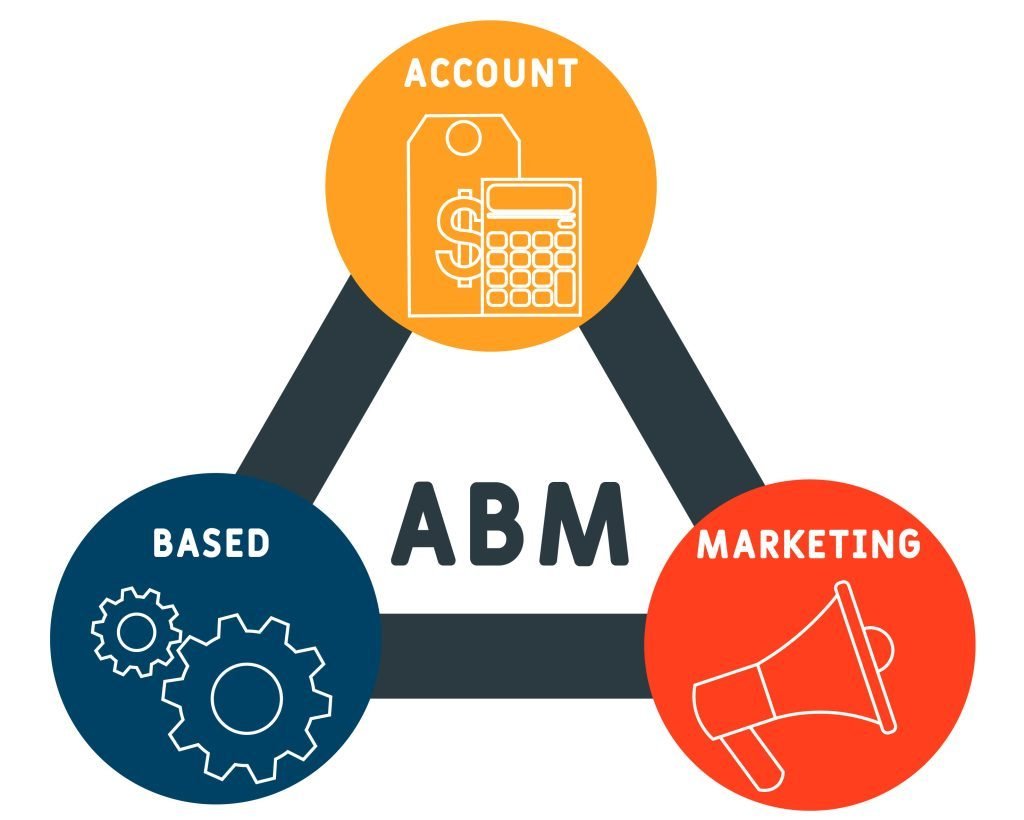
Account-Based Marketing is a strategic approach where businesses treat individual accounts as markets in their own right. Instead of targeting a broad audience, companies identify a set of high-value prospects and tailor marketing efforts specifically to those organizations. This includes personalized messaging, customized campaigns, and coordinated outreach across multiple channels.
Why ABM Matters in Enterprise B2B –
Enterprise B2B transactions are complex. A single deal might involve C-suite executives, procurement teams, technical evaluators, and end users. ABM helps address this complexity by enabling businesses to:
- Focus on high-value accounts: Resources are allocated toward prospects with the highest potential ROI.
- Deliver personalized experiences: Messaging resonates more when it addresses the specific needs and pain points of a target account.
- Align sales and marketing: ABM naturally brings these teams together, ensuring consistent communication and shared goals.
Key Benefits of ABM –
1. Higher ROI –
Because ABM targets accounts with a higher likelihood of conversion, it often delivers better returns compared to traditional marketing methods.
2. Improved Customer Experience –
Personalized campaigns make prospects feel understood and valued, which strengthens relationships and trust.
3. Shorter Sales Cycles –
By engaging key decision-makers early and addressing their concerns directly, ABM can accelerate the buying process.
4. Better Data and Insights –
ABM campaigns generate rich insights into account behavior, helping refine strategies and improve future targeting.
Core Components of a Successful ABM Strategy –
- Account Selection – Identify accounts that align with your ideal customer profile. Use firmographic, technographic, and behavioral data to prioritize targets.
- Deep Research and Insights – Understand each account’s structure, challenges, goals, and key stakeholders. The more you know, the more effective your personalization.
- Personalized Content and Messaging – Develop tailored content that speaks directly to the account’s needs. This could include customized emails, whitepapers, landing pages, or even microsites.
- Multi-Channel Engagement – Reach accounts through a mix of channels—email, social media, events, direct mail, and more—to create a cohesive experience.
- Sales and Marketing Alignment – Ensure both teams collaborate closely, sharing insights and coordinating outreach efforts.
Challenges in ABM –
While powerful, ABM is not without challenges:
- Resource Intensive: Personalization at scale requires time, tools, and skilled teams.
- Data Dependency: Accurate and up-to-date data is critical for success.
- Measurement Complexity: Tracking ROI across multiple touchpoints can be difficult.
The Future of ABM –
As technology evolves, ABM is becoming more scalable and data-driven. AI and predictive analytics are enabling better account selection, deeper personalization, and real-time optimization. Additionally, integration with CRM and marketing automation platforms is making it easier to execute and measure ABM campaigns effectively.
Conclusion –
Account-Based Marketing is no longer just a trend—it’s a necessity for enterprise B2B growth. By focusing on the right accounts, delivering personalized experiences, and aligning sales with marketing, organizations can drive higher engagement, stronger relationships, and ultimately, more revenue. In a competitive landscape where quality matters more than quantity, ABM provides a clear path to sustainable success.