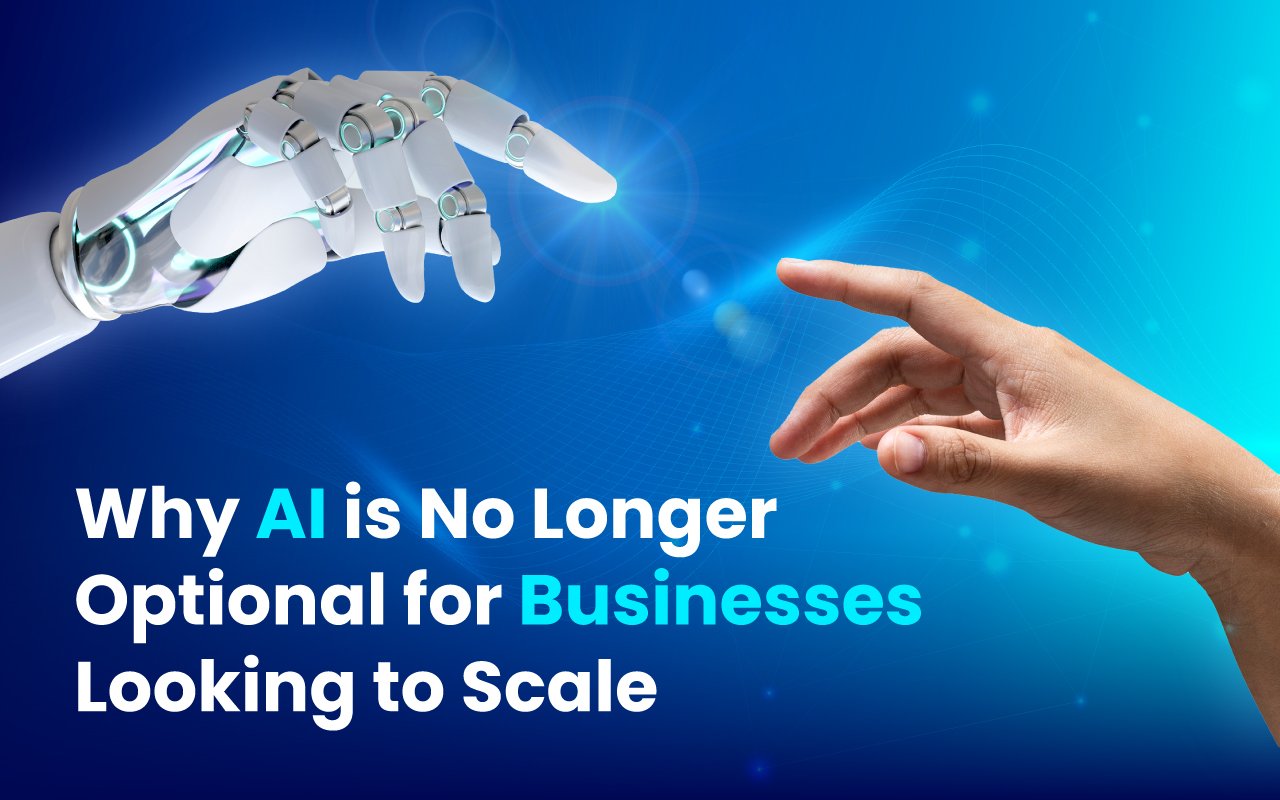
Why AI Is No Longer Optional for Businesses
Introduction –
Artificial Intelligence (AI) has rapidly evolved from a futuristic concept into a core driver of modern business strategy. What was once considered a competitive advantage is now becoming a necessity. Companies across industries are leveraging AI to streamline operations, enhance customer experiences, and make smarter decisions. In an increasingly digital and data-driven world, businesses that fail to adopt AI risk falling behind their competitors.
The Shift from Competitive Advantage to Business Necessity –
In the early stages of adoption, AI gave organizations a distinct edge. Today, that edge has turned into a baseline expectation. Businesses are no longer asking whether they should use AI—they are figuring out how quickly they can implement it. As competitors integrate AI into their processes, companies without it struggle to keep up with speed, efficiency, and innovation. This shift has made AI not just beneficial, but essential for survival.
Enhancing Operational Efficiency –
AI enables businesses to automate repetitive and time-consuming tasks, allowing employees to focus on higher-value work. From data entry and inventory management to customer support, AI-driven systems reduce human error and improve productivity. Automation also ensures consistency in operations, which is crucial for maintaining quality at scale. As organizations grow, AI becomes a key factor in sustaining efficiency without significantly increasing costs.
Data-Driven Decision Making –
Modern businesses generate vast amounts of data every day. AI helps transform this data into actionable insights by identifying patterns, trends, and correlations that would be difficult for humans to detect. With AI-powered analytics, companies can make faster and more informed decisions. Whether it’s forecasting demand, optimizing pricing strategies, or identifying new market opportunities, AI empowers leaders to act with confidence.
Improving Customer Experience –
Customer expectations have changed significantly in the digital age. People now expect personalized, fast, and seamless interactions. AI plays a critical role in meeting these expectations by enabling real-time support, personalized recommendations, and predictive services. Businesses can analyze customer behavior and preferences to deliver tailored experiences, ultimately increasing customer satisfaction and loyalty.
Driving Innovation and New Business Models –
AI is not just about improving existing processes—it also opens the door to entirely new ways of doing business. Companies are using AI to develop innovative products, services, and business models that were previously unimaginable. From predictive maintenance in manufacturing to intelligent financial advisory services, AI is fueling innovation across sectors. Organizations that embrace AI are better positioned to adapt to changing market demands and explore new revenue streams.
Staying Competitive in a Rapidly Changing Market –
The pace of technological change is accelerating, and AI is at the forefront of this transformation. Businesses that adopt AI can respond more quickly to market shifts, customer needs, and emerging trends. On the other hand, companies that delay adoption risk becoming obsolete. Competitors leveraging AI can operate more efficiently, offer better services, and innovate faster, creating a significant gap in performance.
Cost Optimization and Resource Management –
AI helps businesses optimize costs by improving resource allocation and reducing waste. Predictive analytics can identify inefficiencies in supply chains, while automation minimizes the need for manual intervention. Over time, these improvements lead to significant cost savings. Additionally, AI enables organizations to scale operations without a proportional increase in expenses, making growth more sustainable.
Challenges and the Need for Strategic Implementation –
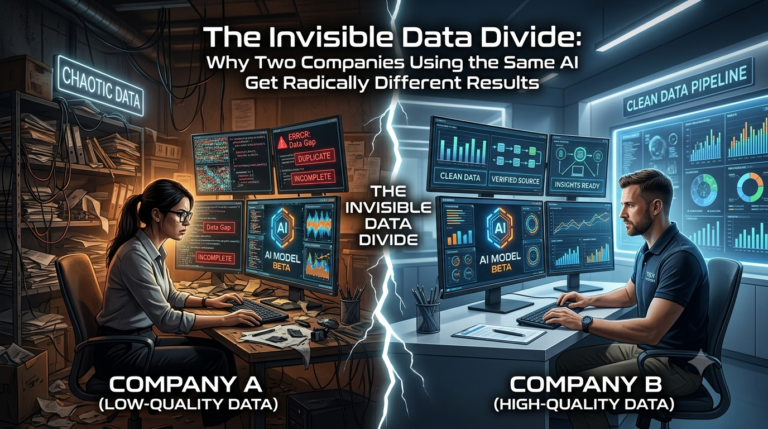
While AI offers numerous benefits, its implementation requires careful planning. Businesses must invest in the right technology, ensure data quality, and address concerns related to privacy and ethics. Simply adopting AI is not enough—it must be aligned with business goals and integrated effectively into existing systems. Organizations that approach AI strategically are more likely to achieve long-term success.
Conclusion –
AI is no longer a luxury or an experimental technology—it is a fundamental component of modern business. From improving efficiency and decision-making to enhancing customer experiences and driving innovation, AI is reshaping how organizations operate. As the business landscape continues to evolve, companies that embrace AI will not only survive but thrive. Those that hesitate may find themselves struggling to remain relevant in an increasingly competitive world.