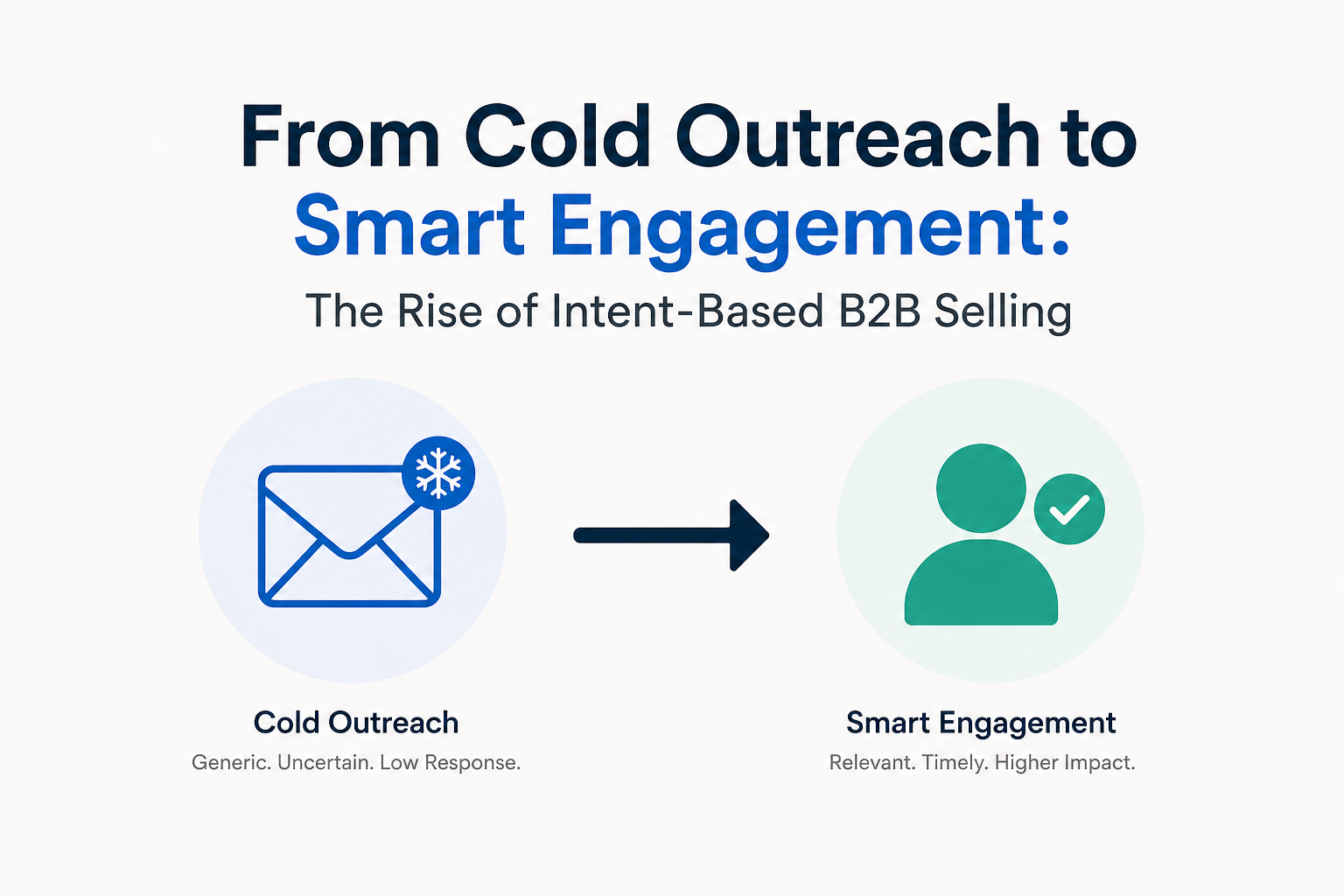
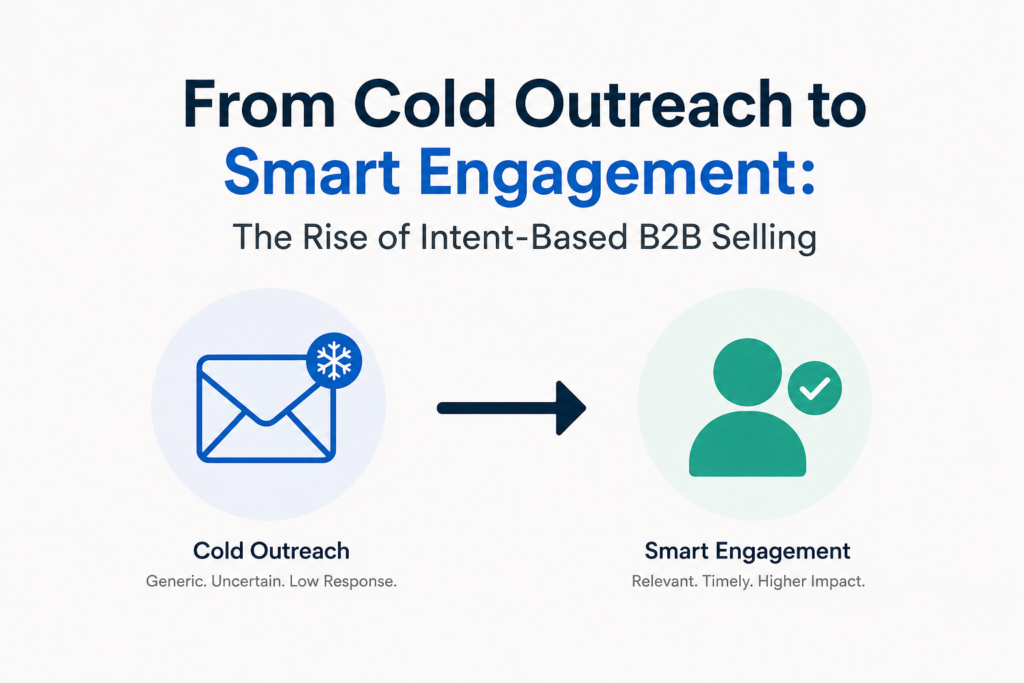
From Cold Outreach to Smart Engagement: The Rise of Intent-Based B2B Selling
Introduction –
B2B sales has undergone a major transformation over the past decade. Traditional cold outreach—once the backbone of lead generation—has steadily lost its effectiveness. Today’s buyers are more informed, independent, and selective about who they engage with. As a result, businesses are shifting toward intent-based selling, a smarter, data-driven approach that focuses on engaging prospects who are already showing interest. This evolution is not just a trend but a necessity in a highly competitive and digitally driven marketplace
The Limitations of Cold Outreach –
Cold outreach methods such as unsolicited emails, random calls, and mass messaging campaigns often rely on guesswork rather than insight. While these techniques can still generate leads, they typically result in low conversion rates and wasted effort. Buyers today are overwhelmed with generic sales pitches, making it harder for businesses to stand out. Moreover, cold outreach lacks personalization, which is critical in building trust and long-term relationships. Without understanding a prospect’s needs or timing, sales teams risk approaching the wrong audience at the wrong moment.
What is Intent-Based B2B Selling?
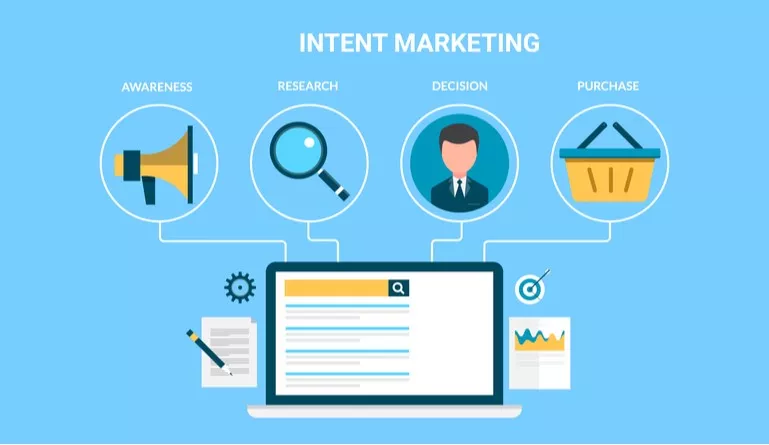
Intent-based selling focuses on identifying and targeting prospects who are actively researching or showing interest in specific products or services. This approach leverages data signals such as website visits, content downloads, search behavior, and engagement patterns to determine buyer intent. By analyzing these signals, sales and marketing teams can prioritize high-quality leads and engage them with relevant messaging. Instead of interrupting potential customers, intent-based selling aligns with their buying journey, making interactions more meaningful and effective.
Key Drivers Behind the Shift –
The rise of intent-based B2B selling is driven by several factors. First, the availability of advanced analytics and data tracking tools has made it easier to capture and interpret buyer behavior. Second, the increasing importance of personalization has pushed businesses to move away from one-size-fits-all approaches. Third, digital transformation has empowered buyers to conduct extensive research before interacting with sales teams. These changes have made it essential for organizations to adopt smarter engagement strategies that are both timely and relevant.
Benefits of Intent-Based Engagement –
Intent-based selling offers significant advantages over traditional methods. It improves lead quality by focusing on prospects who are already interested, resulting in higher conversion rates. Sales teams can use their time more efficiently by prioritizing high-intent leads instead of chasing unqualified prospects. Additionally, personalized engagement enhances the customer experience, building trust and credibility. This approach also shortens the sales cycle, as prospects are already partway through their decision-making process when they are engaged.
Cold Outreach vs. Intent-Based Selling –
| Aspect | Cold Outreach | Intent-Based Selling |
| Approach | Broad and generic | Targeted and data-driven |
| Lead Quality | Low to moderate | High |
| Personalization | Minimal | Highly personalized |
| Conversion Rate | Low | High |
| Timing | Random | Aligned with buyer intent |
| Sales Efficiency | Time-consuming | Optimized and focused |
| Customer Experience | Interruptive | Relevant and engaging |
Technologies Powering Intent-Based Selling –
Modern B2B selling relies heavily on technology to track and analyze buyer intent. Tools such as customer data platforms (CDPs), marketing automation systems, and AI-driven analytics play a crucial role. These technologies help businesses collect data from multiple touchpoints, segment audiences, and deliver personalized content. Predictive analytics further enhances this process by forecasting which leads are most likely to convert, enabling proactive engagement.
Best Practices for Implementing Intent-Based Strategies –
To successfully adopt intent-based selling, businesses must align their sales and marketing teams. Collaboration ensures that insights are shared and used effectively. It is also important to invest in the right tools and technologies to capture accurate data. Creating high-quality, relevant content is essential to engage prospects at different stages of the buyer journey. Additionally, continuous monitoring and optimization of campaigns help refine strategies and improve results over time.
Challenges to Consider –
While intent-based selling offers many benefits, it also comes with challenges. Data accuracy and privacy concerns are critical issues that organizations must address. Collecting and analyzing large volumes of data requires robust systems and skilled professionals. Furthermore, over-reliance on data without human insight can lead to missed opportunities. Businesses must strike a balance between automation and personal interaction to achieve the best outcomes.
The Future of B2B Selling –
The future of B2B sales lies in intelligent, data-driven engagement. As technologies continue to evolve, intent-based selling will become even more sophisticated, incorporating real-time insights and predictive capabilities. Businesses that embrace this approach will be better positioned to meet customer expectations, build stronger relationships, and drive sustainable growth. The shift from cold outreach to smart engagement is not just about improving sales performance—it is about creating meaningful connections in an increasingly digital world.
Conclusion –
The transition from cold outreach to intent-based B2B selling marks a significant shift in how businesses connect with their audiences. By focusing on buyer intent, organizations can move away from ineffective mass outreach and toward personalized, impactful engagement. This approach not only enhances efficiency and conversion rates but also builds trust and long-term value. In today’s competitive landscape, intent-based selling is no longer optional—it is a strategic imperative for success.