Micro-Funnels: Replacing Traditional Sales Funnels
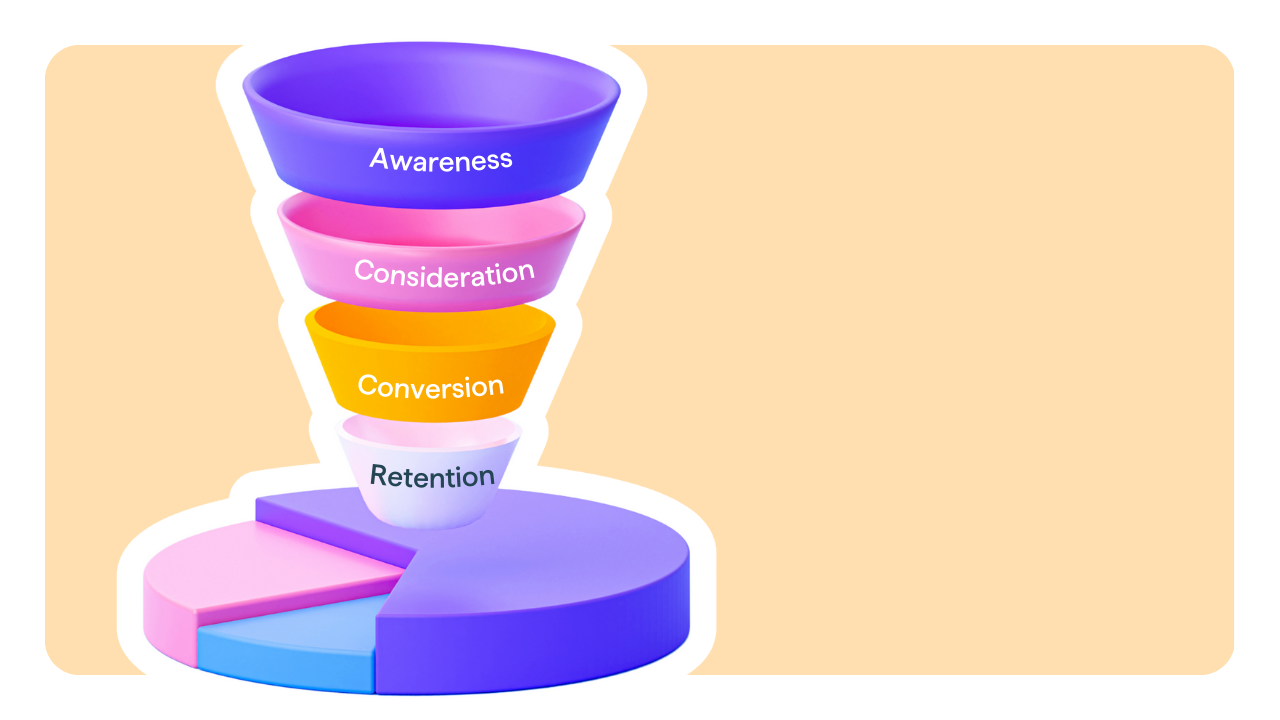
For decades, the traditional sales funnel has been a cornerstone of marketing strategy—guiding prospects from awareness to consideration and finally to conversion. However, in today’s fast-paced, digital-first environment, consumer behavior has changed dramatically. Users no longer follow a linear path to purchase. Instead, they interact with brands in fragmented, intent-driven moments across multiple platforms. This shift has led to the rise of micro-funnels—smaller, highly targeted conversion journeys designed around specific user actions and needs.
The Limitations of Traditional Sales Funnels –
Traditional sales funnels are built on a linear progression: attract a large audience at the top, nurture them through the middle, and convert a small percentage at the bottom. While this model worked well in the past, it struggles to reflect modern customer journeys. Today’s consumers are more informed, impatient, and selective, often skipping stages or making decisions in a single interaction. This makes rigid funnel structures less effective.
What Are Micro-Funnels?
Micro-funnels are focused, intent-based pathways that guide users toward a specific action within a short interaction window. Instead of pushing users through a long journey, micro-funnels meet them exactly where they are—whether it’s watching a video, reading a post, or engaging with a product page. Each funnel is designed with a clear and immediate goal.
Key Characteristics of Micro-Funnels –
Micro-funnels are transforming how modern marketing works. Instead of pushing users through a long, generic journey, micro-funnels focus on specific goals, targeted audiences, and faster conversions. Here are the key characteristics that define them:
- Goal-Oriented and Highly Specific : Each micro-funnel focuses on a single clear goal, such as a sign-up or download. This makes the user journey simple and improves conversion by clearly guiding users toward one action.
- Audience-Specific Targeting : Micro-funnels target specific audience segments rather than broad groups, allowing brands to deliver tailored messaging that better matches user needs and improves engagement.
- Short and Focused Journey : Micro-funnels are simple, direct, and fast, guiding users quickly from interest to action by removing unnecessary steps and reducing friction.
- Alignment with Buyer Intent : Micro-funnels are aligned with different stages of buyer intent, delivering relevant messages based on where users are in their journey to guide them toward action.
These characteristics make micro-funnels more adaptable to real-time user interactions.
Intent-Driven Marketing at the Core –
At the heart of micro-funnels is intent-driven marketing. Instead of assuming where a user is in the buying journey, brands rely on real-time signals like search behavior, clicks, and engagement patterns. This allows marketers to deliver the right message at the right moment, increasing the chances of conversion without unnecessary steps.
Personalization at Scale –
Micro-funnels enable deeper personalization because they are built for specific audience segments. With the help of automation and analytics, brands can create multiple micro-funnels tailored to different needs. This ensures that users receive relevant content and offers, making their experience more meaningful and engaging.
Where Micro-Funnels Work Best –
Micro-funnels are particularly effective in environments where quick decisions and high engagement are common. These include:
- Social media platforms with short-form content
- Email campaigns with targeted messaging
- Landing pages designed for specific offers
- Search-driven interactions with high intent
In these contexts, users are more likely to respond to focused and immediate calls-to-action.
Faster Conversions with Less Friction –
One of the biggest advantages of micro-funnels is their ability to simplify the user journey. By removing unnecessary steps, they make it easier for users to take action. Whether it’s a quick signup or a streamlined checkout, reduced friction leads to faster and more efficient conversions.
Data-Driven Optimization –
Because each micro-funnel is designed for a specific purpose, it becomes easier to track performance and optimize results. Marketers can analyze user behavior, test variations, and refine strategies based on clear data insights. This leads to continuous improvement and better overall performance.
Complementing the Bigger Strategy –
Micro-funnels do not completely replace traditional funnels but enhance them. While traditional funnels provide a broad framework, micro-funnels handle specific interactions within that framework. Together, they create a more flexible and responsive marketing approach.
Conclusion –
The rise of micro-funnels reflects a fundamental change in consumer behavior and expectations. In a world where speed, relevance, and convenience matter most, traditional linear funnels are no longer enough. Micro-funnels offer a smarter, more adaptive way to engage users by focusing on intent, personalization, and quick outcomes.
By integrating micro-funnels into their strategy, brands can create more meaningful interactions, improve conversion rates, and stay aligned with modern digital behavior. As marketing continues to evolve, this approach will play a crucial role in shaping more efficient and user-centric customer journeys.