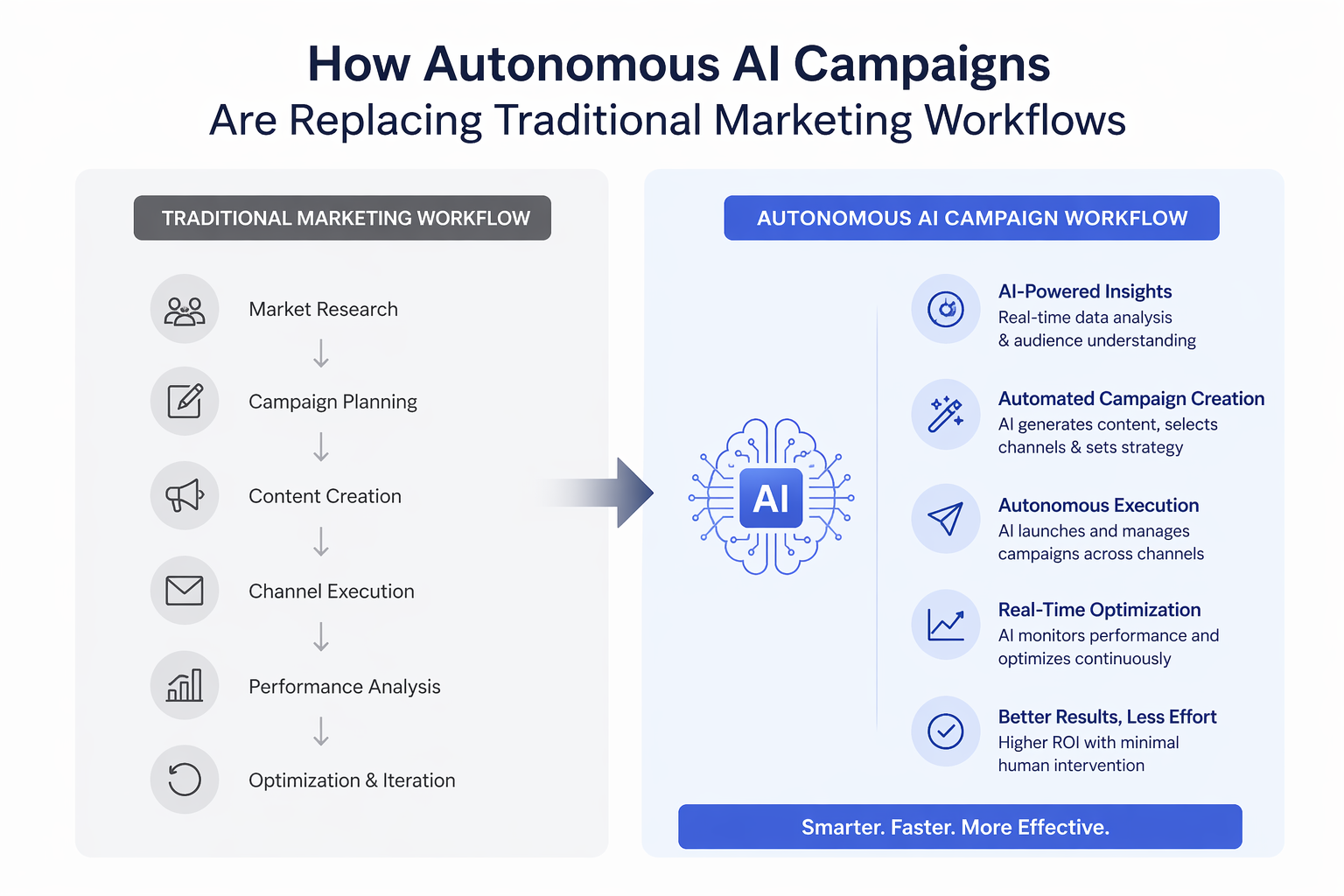
The way B2B marketing operates is undergoing a fundamental shift. For years, marketing workflows relied heavily on manual planning, execution, and optimization—often involving multiple tools, teams, and long feedback cycles. Today, autonomous AI campaigns are redefining this model by enabling systems to plan, execute, analyze, and optimize marketing efforts with minimal human intervention. This transformation is not just about efficiency; it is about creating smarter, faster, and more adaptive marketing ecosystems.
The Limitations of Traditional Marketing Workflows
Traditional marketing workflows are typically linear and reactive. Campaigns are planned weeks or months in advance, executed across channels, and then analyzed after completion. While this approach has worked for decades, it struggles to keep up with the speed and complexity of modern B2B buyer behavior.
One of the main challenges is the dependency on manual processes. Teams often spend significant time on repetitive tasks such as audience segmentation, A/B testing, and performance tracking. Additionally, decision-making is frequently based on historical data rather than real-time insights, which can lead to missed opportunities.
Some common limitations include:
- Slow campaign execution and iteration cycles
- Fragmented tools and disconnected data sources
- Limited personalization at scale
- Reactive rather than proactive decision-making
As competition intensifies and customer expectations rise, these inefficiencies become increasingly costly.
What Are Autonomous AI Campaigns?
Autonomous AI campaigns represent a new paradigm where artificial intelligence systems take on end-to-end campaign management responsibilities. Instead of simply assisting marketers, these systems act independently within defined parameters, continuously learning and optimizing outcomes.
At their core, autonomous campaigns combine multiple AI capabilities such as machine learning, natural language processing, and predictive analytics. They can analyze vast amounts of data, identify patterns, and make decisions in real time.
For example, an autonomous AI system can:
- Identify high-intent prospects based on behavioral data
- Generate personalized content tailored to each segment
- Automatically allocate budget across channels for maximum ROI
- Continuously test and optimize messaging without manual input
This level of automation allows marketing teams to shift from execution-focused roles to strategic oversight.
How Autonomous AI Is Transforming Campaign Execution
One of the most significant impacts of autonomous AI is the speed at which campaigns can be executed and optimized. Traditional workflows often require multiple approvals and manual adjustments, which slow down progress. In contrast, AI-driven systems operate in real time, making continuous improvements based on live data.
Instead of running a single campaign with predefined parameters, autonomous systems create dynamic campaigns that evolve constantly. Messaging, targeting, and channel selection are adjusted automatically based on performance metrics and user behavior.
This shift enables:
- Real-time personalization across multiple touchpoints
- Faster experimentation and optimization cycles
- Improved targeting accuracy and conversion rates
As a result, campaigns become more responsive and aligned with customer needs at every stage of the buying journey.
The Role of Data in Autonomous Campaigns
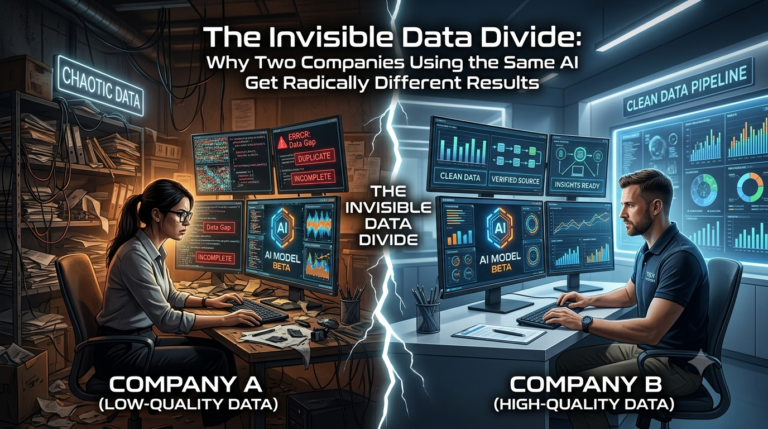
Data is the foundation of any AI-driven system, and its importance becomes even more critical in autonomous marketing. These systems rely on continuous data streams from various sources, including CRM platforms, website interactions, social media, and third-party tools.
However, the effectiveness of autonomous AI depends on the quality and integration of this data. Poor data quality can lead to inaccurate predictions and suboptimal decisions. Therefore, organizations must invest in strong data infrastructure and governance practices.
A robust data strategy typically includes:
- Centralized data management systems
- Real-time data processing capabilities
- Clear data governance and compliance policies
With the right data foundation, autonomous AI can unlock deeper insights and drive more precise marketing actions.
Benefits for B2B Organizations
The adoption of autonomous AI campaigns offers several advantages for mid-sized and large B2B companies. Beyond efficiency gains, these systems enable a more strategic and data-driven approach to marketing.
Key benefits include:
- Scalability: Campaigns can be expanded across markets and channels without proportional increases in resources
- Consistency: AI ensures consistent messaging and execution across all touchpoints
- Cost efficiency: Reduced reliance on manual processes lowers operational costs
- Enhanced decision-making: Data-driven insights improve accuracy and reduce guesswork
Moreover, autonomous AI allows marketing teams to focus on creativity, strategy, and relationship-building—areas where human expertise remains essential.
Challenges and Considerations
Despite its advantages, the transition to autonomous AI campaigns is not without challenges. Organizations must address both technical and cultural barriers to ensure successful adoption.
One major concern is trust. Many marketers are hesitant to rely on AI for decision-making, especially when it involves significant budget allocations. Transparency in AI processes and clear performance metrics are essential to building confidence.
Other challenges include:
- Integration with existing marketing technologies
- Ensuring data privacy and regulatory compliance
- Managing change within teams and workflows
- Avoiding over-reliance on automation
Addressing these issues requires a balanced approach that combines technology with human oversight.
The Future of Marketing Workflows
As AI technology continues to evolve, the distinction between human-led and machine-led workflows will become increasingly blurred. Autonomous campaigns are likely to become the standard rather than the exception, particularly in data-intensive B2B environments.
Future marketing workflows will be characterized by:
- Continuous, always-on campaigns instead of fixed timelines
- Hyper-personalized experiences driven by real-time insights
- Seamless integration between AI systems and human decision-makers
In this new landscape, marketers will act as orchestrators—guiding AI systems, setting strategic direction, and ensuring alignment with business goals.
Conclusion
Autonomous AI campaigns are not just an incremental improvement over traditional marketing workflows—they represent a complete transformation in how marketing is planned, executed, and optimized. By shifting from manual, reactive processes to intelligent, self-optimizing systems, B2B organizations can achieve greater efficiency, scalability, and impact.
However, success depends on more than just adopting new technology. It requires a strong data foundation, thoughtful implementation, and a willingness to embrace change. Companies that strike the right balance between automation and human insight will be best positioned to thrive in this new era of marketing.