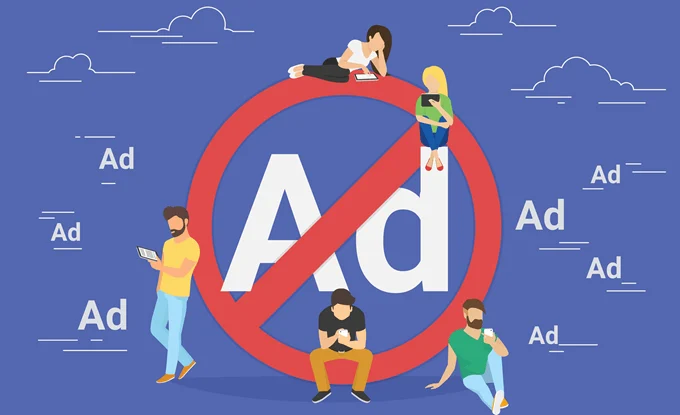
In a digital world saturated with paid promotions, pop-ups, and sponsored content, building a brand without advertising might seem like an uphill battle. However, many successful businesses have proven that organic marketing—when executed strategically—can be more sustainable, authentic, and cost-effective than paid campaigns. By focusing on value, trust, and consistent engagement, brands can grow a loyal audience without spending heavily on ads.
Understanding Organic Marketing –
Organic marketing refers to strategies that attract customers naturally over time, rather than through paid promotion. This includes content marketing, search engine optimization (SEO), social media engagement, email marketing, and community building. Unlike paid ads that deliver instant visibility, organic channels require patience but often result in stronger relationships and higher customer retention.
Building a Strong Brand Identity –
The foundation of organic marketing begins with a clear and compelling brand identity. This includes your brand’s voice, values, mission, and visual elements. When your messaging is consistent and authentic, it becomes easier for your audience to connect with your brand. A strong identity helps differentiate you from competitors and creates a memorable impression that encourages word-of-mouth growth.
Content Marketing as a Core Strategy –
Content is the backbone of organic growth. High-quality blog posts, videos, podcasts, and infographics help educate, inform, and entertain your audience. Instead of directly selling, focus on solving problems and providing value. Over time, this builds authority and positions your brand as a trusted resource in your niche. Consistency in publishing and relevance to your audience’s needs are key factors in success.
Leveraging Search Engine Optimization (SEO) –
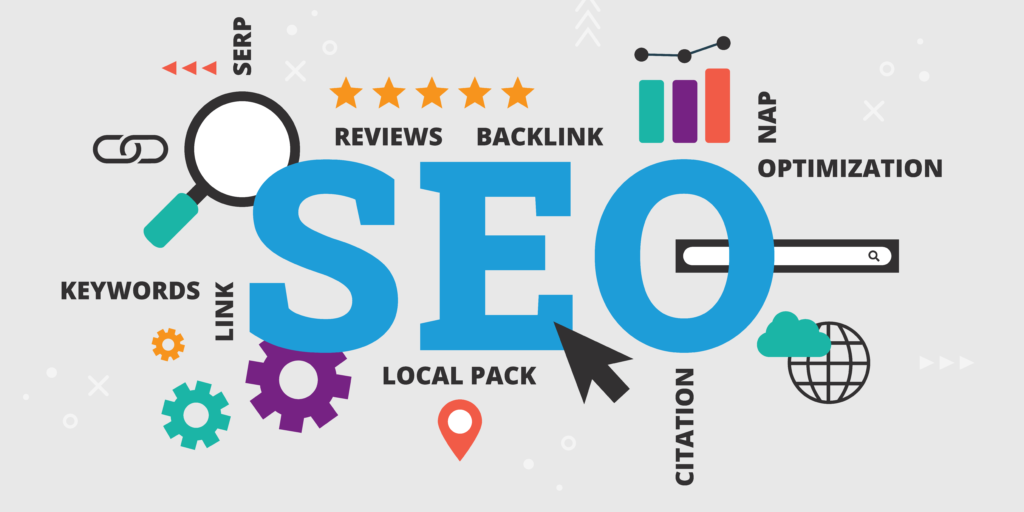
SEO plays a crucial role in driving organic traffic. By optimizing your website and content for search engines, you increase your visibility to users actively searching for solutions. This includes keyword research, on-page optimization, technical SEO, and building backlinks. While results take time, SEO can generate long-term, sustainable traffic without ongoing costs.
Social Media Engagement and Community Building –
Social media platforms offer a powerful way to connect with your audience organically. Instead of focusing on follower count, prioritize meaningful interactions. Respond to comments, participate in discussions, and share valuable insights. Building a community around your brand fosters loyalty and encourages users to advocate for you. User-generated content and referrals often emerge naturally from engaged communities.
Email Marketing for Direct Connection –
Email marketing remains one of the most effective organic channels. By building an email list, you create a direct line of communication with your audience. Regular newsletters, updates, and personalized content help nurture relationships and keep your brand top-of-mind. Unlike social media algorithms, email gives you control over how and when you reach your audience.
The Power of Consistency and Patience –
Organic marketing is not a quick-win strategy. It requires consistent effort, experimentation, and long-term commitment. Results may take time to appear, but they are often more durable and impactful. Brands that stay consistent in their messaging and content creation gradually build trust and credibility, which are difficult to achieve through paid ads alone.
Measuring and Improving Performance –
Even without ads, tracking performance is essential. Monitor website traffic, engagement rates, content performance, and conversion metrics. These insights help refine your strategy and identify what resonates most with your audience. Continuous improvement ensures that your organic efforts remain effective and aligned with your goals.
Conclusion –
Marketing without ads is not only possible but can be highly effective when approached strategically. By focusing on organic channels such as content creation, SEO, social media engagement, and email marketing, brands can build authentic relationships and long-term trust with their audience. While it demands patience and consistency, the rewards include sustainable growth, stronger brand loyalty, and reduced dependency on paid advertising. In the long run, organic marketing empowers businesses to create meaningful connections that go beyond transactions and evolve into lasting brand advocacy.