Introduction
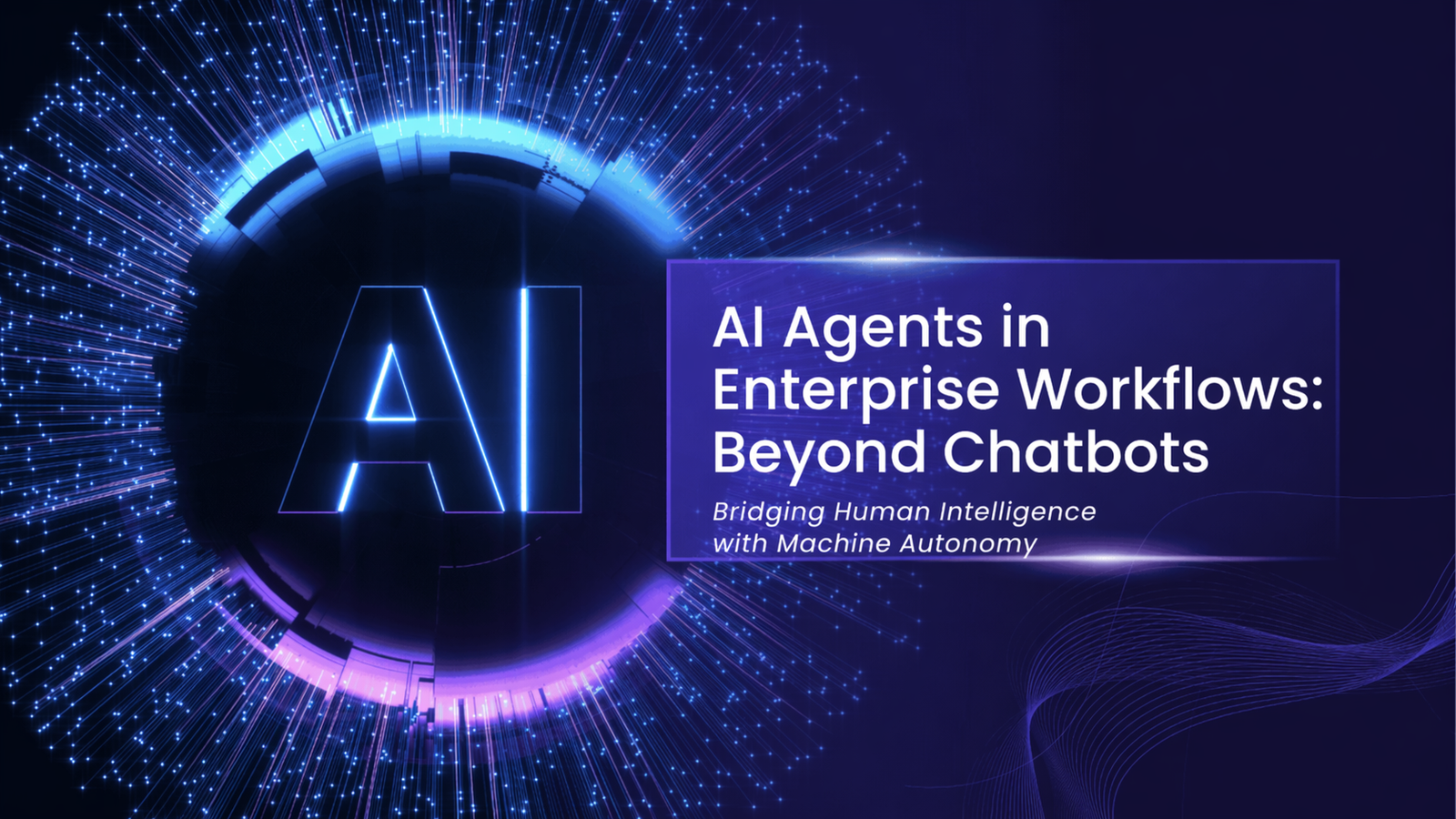
Artificial Intelligence has evolved far beyond simple automation tools and rule-based systems. In recent years, AI-powered chatbots have become a common feature across customer service, HR, and support functions. However, the next major shift is already underway—AI agents that can act, decide, and execute tasks across enterprise systems with minimal human intervention. These agents are not limited to answering queries; they are capable of managing workflows, integrating with business applications, and continuously learning from data.
Enterprises are now exploring how AI agents can transform operations at scale, moving from reactive support tools to proactive digital collaborators. This shift is redefining how organizations approach productivity, efficiency, and decision-making.
What Are AI Agents?
AI agents are intelligent software entities designed to autonomously perform tasks by understanding context, making decisions, and interacting with multiple systems. Unlike traditional chatbots, which follow predefined scripts, AI agents leverage advanced machine learning, natural language processing, and reasoning capabilities to handle complex workflows.
These agents can:
- Analyze structured and unstructured data
- Make contextual decisions based on business logic
- Interact with APIs, databases, and enterprise tools
- Learn and improve performance over time
In essence, AI agents function more like digital employees rather than simple assistants, capable of executing multi-step processes without constant supervision.
From Chatbots to Autonomous Systems
Traditional chatbots were primarily designed for customer interaction. They answered FAQs, handled basic service requests, and routed queries to human agents when needed. While useful, their capabilities were limited and often dependent on predefined rules.
AI agents, on the other hand, operate at a much deeper level within enterprise ecosystems. They can initiate actions, monitor workflows, and adapt dynamically to changing conditions. For example, instead of simply responding to a customer query about an order, an AI agent can track the order, identify delays, communicate with logistics systems, and proactively notify the customer with updates.
This transition marks a shift from interaction-based AI to action-oriented AI, where systems are designed not just to respond but to execute.
Key Use Cases in Enterprise Workflows
AI agents are being deployed across various departments to streamline operations and reduce manual effort. In IT operations, they can monitor system health, detect anomalies, and automatically resolve incidents before they escalate. In HR, AI agents assist with onboarding, employee queries, and document processing, reducing administrative workload.
In sales and marketing, these agents analyze customer behavior, qualify leads, and even personalize outreach campaigns. Finance teams use AI agents for invoice processing, fraud detection, and financial forecasting, improving both speed and accuracy.
Some impactful use cases include:
- Automated incident management in IT environments
- Intelligent document processing in finance and legal teams
- Personalized customer journey orchestration in marketing
- Supply chain optimization through predictive analytics
These applications demonstrate how AI agents are becoming integral to enterprise efficiency.
Benefits of AI Agents in Enterprises
The adoption of AI agents offers several strategic advantages. One of the most significant benefits is increased operational efficiency. By automating repetitive and time-consuming tasks, organizations can free up human resources for more strategic initiatives.
AI agents also enhance decision-making by analyzing large volumes of data in real time. They provide insights that are often difficult for humans to identify, enabling faster and more informed decisions. Additionally, these agents improve scalability, allowing businesses to handle increased workloads without proportional increases in staffing.
Key benefits include:
- Reduced operational costs through automation
- Improved accuracy and reduced human error
- Faster response times across business functions
- Enhanced scalability and flexibility
Challenges and Considerations
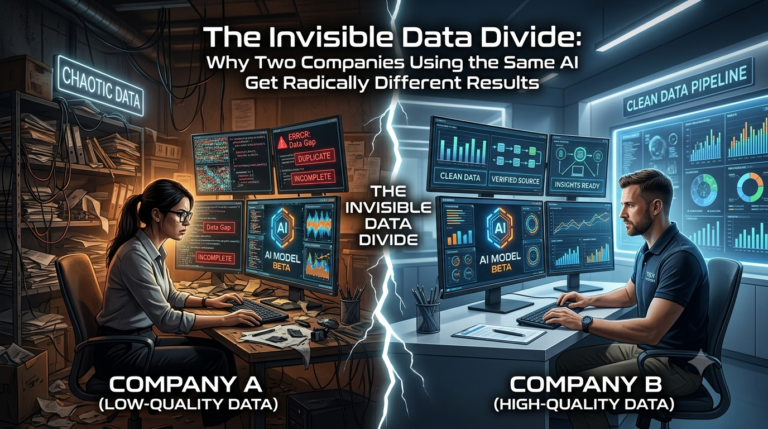
Despite their potential, implementing AI agents is not without challenges. One major concern is data quality and integration. AI agents rely heavily on accurate and well-structured data, and many enterprises struggle with fragmented data systems.
Another challenge is governance and control. As AI agents become more autonomous, organizations must establish clear guidelines to ensure ethical and compliant behavior. Security is also a critical consideration, especially when agents interact with sensitive business data.
Organizations must also address workforce concerns, as employees may perceive AI as a replacement rather than an augmentation tool. Proper change management and training are essential to ensure successful adoption.
The Future of AI Agents in Enterprise Workflows
The future of AI agents lies in multi-agent ecosystems, where multiple intelligent agents collaborate to achieve complex business objectives. These systems will be capable of coordinating tasks across departments, learning from each other, and optimizing workflows in real time.
As technologies continue to advance, AI agents will become more context-aware, proactive, and capable of handling strategic decision-making. Integration with emerging technologies such as edge computing and real-time analytics will further enhance their capabilities.
Enterprises that invest in AI agent frameworks today are likely to gain a significant competitive advantage in the coming years.
Conclusion
AI agents represent a fundamental shift in how enterprises leverage technology to drive efficiency and innovation. Moving beyond chatbots, these intelligent systems are transforming workflows by automating complex tasks, enhancing decision-making, and enabling scalable operations.
While challenges such as data integration, governance, and workforce adaptation must be addressed, the long-term benefits far outweigh the risks. Organizations that embrace AI agents as digital collaborators rather than mere tools will be better positioned to thrive in an increasingly automated and data-driven world.
The evolution from chatbots to autonomous AI agents is not just an upgrade—it is a transformation that is redefining the future of enterprise workflows.