
Why AI Regulation Has Become Urgent
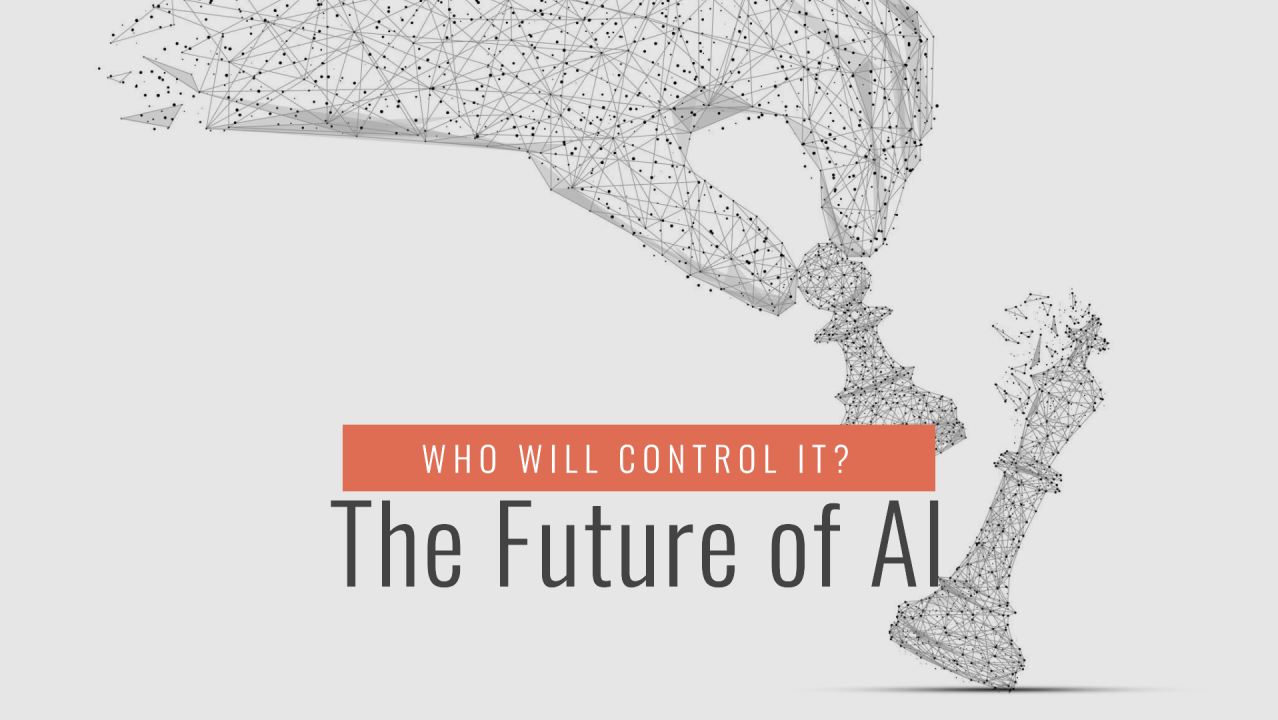
Artificial intelligence has moved from experimental labs into everyday life, powering decisions in finance, healthcare, hiring, and governance. This rapid integration has created real-world consequences, forcing governments to act quickly. Concerns about misinformation, algorithmic bias, and data misuse are no longer theoretical—they are visible and measurable. High-profile incidents involving deepfakes, automated decision errors, and privacy violations have intensified public pressure. Governments are now trying to balance innovation with safety, which is far more complex than it sounds. Overregulation could slow progress, while weak rules could lead to harm at scale. This tension is what makes AI regulation such a critical global issue today. Unlike previous technologies, AI evolves quickly, making static laws difficult to enforce effectively. Policymakers are often playing catch-up with tech companies. The urgency also comes from the geopolitical race to dominate AI capabilities.
- Rapid adoption across industries has increased real-world risks
- Public concern over bias, privacy, and misinformation is rising
- Governments face pressure to act quickly but carefully
- AI evolves faster than traditional regulatory systems
The European Union’s Approach: Setting the Global Standard
The EU AI Act is widely considered the most comprehensive attempt to regulate AI so far. It introduces a risk-based framework, categorizing AI systems into unacceptable, high-risk, limited-risk, and minimal-risk groups. This structured approach allows stricter rules where harm is more likely, such as in biometric surveillance or critical infrastructure. The EU is aiming to protect citizens’ rights while still enabling innovation. One of its defining features is transparency—companies must explain how their AI systems work in certain cases. This is a major shift from the “black box” nature of many AI models. The Act also imposes heavy penalties for non-compliance, ensuring companies take it seriously. Because of the EU’s market size, its regulations often influence global standards. Many companies may adopt these rules worldwide rather than create region-specific systems. This phenomenon is sometimes called the “Brussels Effect.”
- Risk-based classification ensures targeted regulation
- Strong focus on transparency and accountability
- Heavy fines encourage compliance
- Likely to influence global AI policies
The United States and a Flexible, Market-Driven Model
Unlike the EU, the United States has taken a more flexible and decentralized approach to AI regulation. Instead of a single comprehensive law, it relies on sector-specific guidelines and agency oversight. Companies like OpenAI operate within a framework that encourages innovation but is still evolving in terms of accountability. This approach allows faster development and experimentation, which has helped the US maintain a leadership position in AI. However, critics argue that it lacks consistency and strong enforcement mechanisms. There is ongoing debate about whether stricter federal laws are needed. The US government has introduced AI safety frameworks and executive guidelines, but these are not always legally binding. This creates uncertainty for businesses and consumers alike. Tech companies often play a major role in shaping policy discussions. The balance between innovation and regulation remains a central challenge.
- Decentralized and sector-based regulation model
- Encourages innovation and rapid development
- Lacks a unified legal framework
- Tech companies influence policy direction
China’s Strategic and State-Controlled AI Governance
China has adopted a highly centralized and strategic approach to AI regulation, aligning it closely with national goals. The government actively supports AI development while maintaining strict control over its use. Regulations often focus on content moderation, surveillance, and data security. This model allows rapid implementation of rules but raises concerns about individual freedoms and privacy. China’s approach reflects its broader governance style, where state priorities guide technological progress. Companies are required to comply with strict data-sharing and monitoring requirements. This creates a different kind of innovation environment compared to Western countries. The country is also investing heavily in becoming a global AI leader. Its regulatory framework is designed to support that ambition while maintaining control. This makes China a key player in shaping the global AI landscape.
- Centralized control enables fast policy implementation
- Strong alignment with national strategic goals
- Emphasis on surveillance and data regulation
- Raises concerns about privacy and freedoms
The Global Power Struggle: Who Really Controls AI?
AI regulation is no longer just a legal issue—it is a geopolitical competition. Different regions are trying to shape the rules that will define the future of technology. Countries like India are also entering the conversation, balancing innovation with the need for inclusive growth and digital protection. The lack of a unified global framework creates fragmentation, where companies must navigate multiple regulatory systems. This can slow down global collaboration but also encourages regional innovation. International organizations are beginning to discuss common standards, but progress is slow. The real question is whether AI will be governed cooperatively or competitively. Control over AI means influence over economies, security, and information systems. The decisions made today will shape how AI impacts society for decades. This is why the debate over regulation is so critical right now.
- AI regulation is tied to global power dynamics
- No unified international framework currently exists
- Emerging economies are shaping their own policies
- Regulatory fragmentation affects global businesses
Conclusion
The rise of AI regulation reflects a world trying to keep pace with one of the most transformative technologies ever created. Different regions are taking distinct approaches—some prioritizing strict oversight, others encouraging rapid innovation. There is no single “correct” model yet, and each comes with trade-offs. What is clear, however, is that regulation will play a defining role in shaping how AI impacts society, economies, and global power structures. The challenge lies in creating systems that are flexible enough to adapt, yet strong enough to protect. As AI continues to evolve, so too will the rules that govern it—and the question of who controls those rules will remain at the center of the conversation.