Tech Layoffs in the Age of AI: What’s Really Happening in 2026
Introduction –
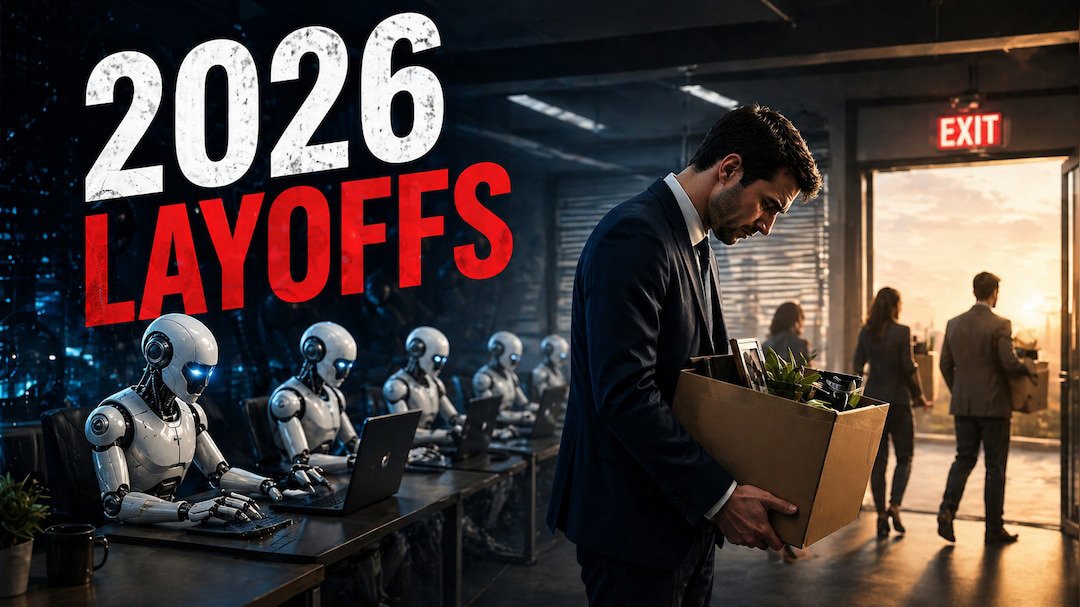
The narrative around tech layoffs in 2026 is often reduced to a single explanation: artificial intelligence is replacing jobs. While AI is undeniably reshaping the workforce, the reality is more complex. Layoffs across the tech industry are being driven by a combination of economic pressures, shifting business priorities, and structural changes in how organizations build and scale technology teams. Understanding what’s really happening requires looking beyond headlines and into the deeper transformation underway.
The AI Effect: Transformation, Not Just Replacement –
AI is changing how work gets done, but it’s not simply eliminating jobs—it’s redefining them. Tasks that were once manual, repetitive, or time-consuming are now being automated through AI-driven tools. This has reduced the need for certain roles, particularly in areas like basic coding, testing, and support operations. However, at the same time, demand is growing for roles that focus on AI integration, prompt engineering, data infrastructure, and governance. The shift is less about job loss and more about skill realignment.
Economic Pressures and Cost Optimization –
Beyond AI, macroeconomic factors are playing a major role in layoffs. Rising interest rates, tighter venture funding, and increased pressure on profitability have forced companies to rethink spending. During the growth-heavy years of the early 2020s, many tech firms overhired in anticipation of continued expansion. In 2026, the focus has shifted toward efficiency, leading organizations to trim teams, consolidate roles, and prioritize high-impact functions.
The Shift from Growth to Efficiency –
The tech industry is moving from a “growth at all costs” mindset to a more disciplined, efficiency-driven approach. Companies are now evaluating teams based on output, automation potential, and strategic value. AI has accelerated this shift by enabling smaller teams to achieve more. As a result, organizations are flattening structures, reducing middle management layers, and investing in tools that enhance productivity rather than headcount.
Roles Most Affected vs. Roles in Demand –
| Category | Roles Most Affected | Roles in High Demand |
|---|---|---|
| Engineering | Junior developers, QA testers | AI engineers, ML specialists |
| Operations | Manual support roles, data entry | Automation engineers, DevOps |
| Business Functions | Administrative roles | Data analysts, AI strategy consultants |
| Security & Compliance | Traditional monitoring roles | AI security, governance, risk specialists |
This shift highlights a key trend: routine work is declining, while roles requiring strategic thinking, technical depth, and AI collaboration are growing.
The Rise of Lean, AI-Augmented Teams –
Organizations are increasingly adopting lean team structures supported by AI tools. Instead of large teams handling segmented tasks, companies are building smaller, cross-functional groups that leverage AI to scale output. This model improves speed, reduces costs, and enhances adaptability. Employees are expected to work alongside AI systems, using them as productivity multipliers rather than replacements.
Reskilling: The New Career Imperative –
For professionals, the changing landscape means continuous learning is no longer optional. Skills related to AI, data, and automation are becoming essential across roles. Employees who can adapt—by learning how to use AI tools effectively or transitioning into more strategic positions—are better positioned to thrive. Organizations, too, are investing in upskilling programs to bridge the gap between existing talent and future needs.
Conclusion –
Tech layoffs in 2026 are not solely about AI replacing humans—they reflect a broader transformation in how the industry operates. Economic realities, combined with AI-driven efficiency, are pushing companies toward leaner, more agile structures. While some roles are disappearing, new opportunities are emerging for those willing to adapt. The real story isn’t about job loss—it’s about a fundamental shift in the nature of work, where human expertise and AI capabilities must evolve together.