Will AI Replace Your Job? The 2026 Reality Check

Introduction –
The question “Will AI replace your job?” has moved from speculation to a real concern in 2026. With rapid advancements in generative AI, automation tools, and machine learning systems, businesses are rethinking how work gets done. While headlines often suggest widespread job loss, the reality is more nuanced. AI is not simply replacing jobs—it is reshaping roles, redefining skills, and changing how organizations operate.
AI Is Replacing Tasks, Not Entire Jobs –
One of the biggest misconceptions about AI is that it replaces entire professions. In reality, AI is far more effective at automating specific tasks rather than complete roles. Repetitive, rule-based activities—such as data entry, basic analysis, or routine customer support—are increasingly handled by AI systems. However, most jobs consist of a mix of tasks, many of which still require human judgment, creativity, and decision-making. This means that instead of disappearing, many roles are evolving.
Which Jobs Are Most at Risk? –
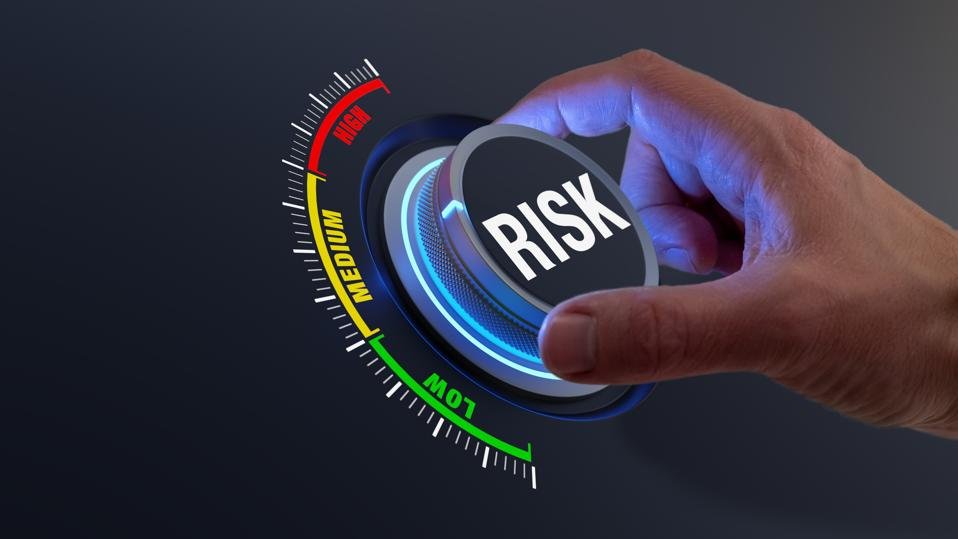
Certain roles are more vulnerable due to their reliance on predictable and repetitive workflows. Entry-level positions in areas like content generation, basic coding, and administrative support are seeing the most disruption. AI tools can now generate drafts, write code snippets, and automate scheduling with high efficiency. However, jobs that involve complex problem-solving, emotional intelligence, leadership, and domain expertise remain far less susceptible to full automation.
Jobs That Are Growing Because of AI –
While some roles are declining, others are growing rapidly. AI is creating demand for new types of jobs that didn’t exist a few years ago. Organizations need professionals who can build, manage, and optimize AI systems. Roles such as AI engineers, data scientists, prompt engineers, and AI governance specialists are becoming critical. Additionally, traditional roles are being augmented with AI skills, making hybrid expertise highly valuable.
AI Impact Across Job Categories –
| Job Category | Risk Level | AI Impact Description |
|---|---|---|
| Administrative Roles | High | Routine tasks automated through AI tools |
| Customer Support | Medium-High | Chatbots handle basic queries, humans handle complex issues |
| Software Development | Medium | AI assists coding, but human oversight is essential |
| Creative Roles | Medium-Low | AI supports ideation, but originality still human-driven |
| Leadership & Strategy | Low | Requires decision-making, vision, and experienc |
This table shows that AI’s impact varies widely depending on the nature of the role and the level of human involvement required.
The Rise of Human-AI Collaboration –
In 2026, the most successful professionals are not competing with AI—they are working alongside it. AI is becoming a productivity partner, helping individuals complete tasks faster and more efficiently. For example, developers use AI to write and debug code, marketers use it for content generation and analysis, and analysts rely on it for data insights. This collaboration is increasing output while reducing manual effort.
Skills That Matter in the AI Era –
As AI continues to evolve, the skills that matter are also changing. Technical literacy—understanding how AI tools work and how to use them effectively—is becoming essential across industries. At the same time, uniquely human skills such as critical thinking, creativity, communication, and adaptability are gaining importance. The ability to learn quickly and adapt to new technologies is now one of the most valuable career assets.
Conclusion –
AI is not here to replace everyone’s job, but it is undeniably changing the nature of work. The 2026 reality is not about humans versus machines—it’s about humans working with machines. While some roles will decline, many will evolve, and new opportunities will continue to emerge. The key to staying relevant is adaptability: those who embrace AI, learn new skills, and evolve with the technology will not just survive—they will thrive in the future of work.