Recent Changes in the Global Economy and Their Impact
Introduction –
The global economy has undergone significant changes in recent years, shaped by technological advancements, geopolitical tensions, shifting supply chains, and evolving consumer behavior. These changes are not isolated—they are interconnected forces influencing how businesses operate, how governments make decisions, and how individuals experience economic growth or uncertainty. Understanding these developments is essential for organizations and professionals aiming to stay competitive in an increasingly complex world.
Post-Pandemic Economic Recovery –
The recovery phase following the COVID-19 pandemic has been uneven across regions. While some economies rebounded quickly due to strong fiscal support and vaccination rollouts, others faced prolonged disruptions. Supply chain bottlenecks, labor shortages, and changing consumption patterns slowed recovery in many sectors. This uneven rebound has created both opportunities and risks, with businesses needing to adapt to fluctuating demand and market instability.
Inflation and Rising Interest Rates –
One of the most noticeable shifts in the global economy has been the rise in inflation. Increased demand, coupled with supply constraints, has driven up the cost of goods and services worldwide. In response, central banks have raised interest rates to control inflation. While this helps stabilize prices, it also increases borrowing costs for businesses and consumers. Higher interest rates can slow down investments, reduce consumer spending, and impact overall economic growth.
Supply Chain Reconfiguration –
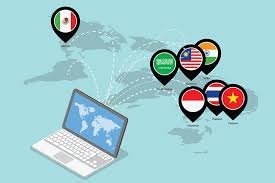
Global supply chains have undergone a major transformation. Disruptions caused by the pandemic and geopolitical conflicts exposed vulnerabilities in over-reliance on specific regions. As a result, companies are now focusing on diversification, nearshoring, and building more resilient supply networks.
The Role of Technology and Digital Transformation
Technology continues to reshape the global economy at an accelerated pace. Businesses are investing heavily in digital transformation, automation, and artificial intelligence to improve efficiency and reduce costs. Remote work, e-commerce, and digital services have become mainstream, altering traditional business models. This shift has created new opportunities for innovation while also increasing competition across industries.
Geopolitical Tensions and Trade Dynamics –
Geopolitical developments have had a strong impact on global trade and economic stability. Trade restrictions, sanctions, and regional conflicts have disrupted markets and influenced commodity prices. Countries are increasingly prioritizing economic self-reliance and strategic partnerships, leading to shifts in global trade patterns. These changes affect everything from energy prices to manufacturing costs.
Labor Market Shifts –
The global labor market has experienced notable changes, including the rise of remote work, the gig economy, and changing workforce expectations. Employees are seeking greater flexibility, better work-life balance, and more meaningful roles. At the same time, businesses are facing skill shortages in critical areas such as technology and data analytics. These shifts are forcing organizations to rethink talent acquisition and retention strategies.
Sustainability and Green Economy Initiatives –
Environmental concerns are becoming a central focus in economic decision-making. Governments and organizations are investing in sustainable practices, renewable energy, and green technologies. While transitioning to a green economy requires significant investment, it also opens up new markets and long-term growth opportunities. Sustainability is no longer just a compliance requirement—it is becoming a competitive advantage.
Key Economic Changes and Their Impact –
| Economic Change | Key Drivers | Impact on Businesses and Consumers |
|---|---|---|
| Rising Inflation | Supply shortages, high demand | Increased costs and reduced purchasing power |
| Interest Rate Hikes | Central bank policies | Higher borrowing costs, slower investments |
| Supply Chain Shifts | Global disruptions, geopolitical tensions | Increased costs, improved resilience |
| Digital Transformation | Technological advancements | Greater efficiency, new business models |
| Labor Market Evolution | Remote work, skill demand | Talent shortages, flexible work environments |
| Sustainability Focus | Climate concerns, regulations | New opportunities, higher compliance costs |
Impact on Emerging Markets –
Emerging economies are particularly affected by global economic changes. Currency fluctuations, capital outflows, and rising debt levels can create additional challenges. However, these markets also present growth opportunities due to expanding populations and increasing digital adoption. Businesses operating in these regions must balance risk with long-term potential.
The Road Ahead –
The global economy is expected to remain dynamic and uncertain. Businesses must adopt agile strategies, diversify operations, and invest in technology to stay competitive. Governments will continue to play a key role in shaping economic policies and ensuring stability. Collaboration between public and private sectors will be essential to address global challenges effectively.
Conclusion –
Recent changes in the global economy highlight the importance of adaptability and strategic planning. From inflation and supply chain disruptions to digital transformation and sustainability, these factors are reshaping the economic landscape. Organizations that understand these trends and respond proactively will be better positioned to navigate uncertainty and achieve long-term success.