The Rapid Rise of AI in Software Development-
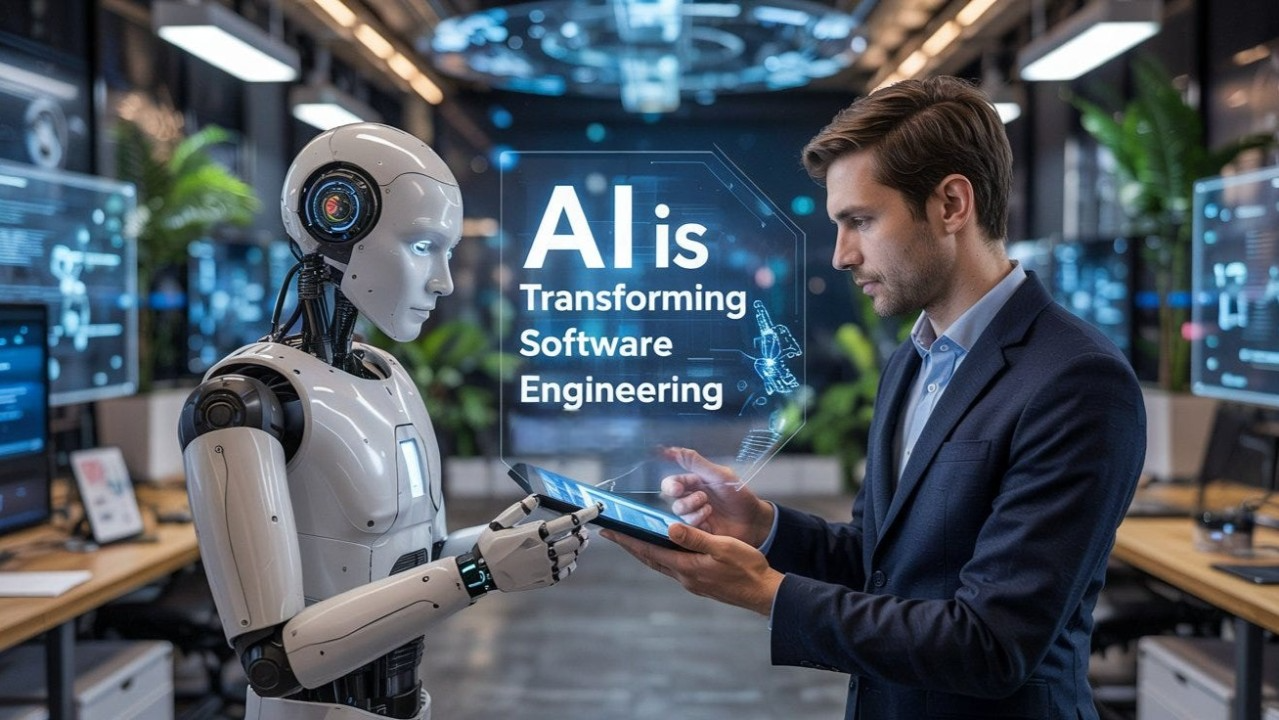
Artificial Intelligence has quickly become one of the biggest technological shifts in the software industry. AI coding tools are now helping developers write code faster, fix errors, generate documentation, and even create complete applications from simple prompts. What once sounded futuristic is now becoming normal in modern development teams. Startups, enterprises, and freelance developers are all adopting AI-assisted workflows to improve productivity and reduce development time. The software engineering process is no longer limited to manual coding because AI can automate many repetitive tasks. This transformation is also changing how companies hire developers and what skills are considered valuable. Instead of focusing only on syntax and programming languages, organizations now expect engineers to think critically and solve larger business problems. AI tools are becoming digital teammates rather than simple assistants. Their growing presence suggests that software engineering is entering a completely new era driven by automation and intelligent systems.
Key Points:
- AI tools can generate code within seconds.
- Development cycles are becoming shorter.
- Companies are adopting AI to reduce costs.
- Engineers are focusing more on problem-solving.
- AI-assisted coding is becoming an industry standard.
How AI Coding Tools Are Improving Productivity-
One of the main reasons AI coding tools are becoming popular is their ability to significantly increase developer productivity. Developers can now automate repetitive tasks such as writing boilerplate code, generating APIs, creating unit tests, and debugging simple issues. This allows engineers to spend more time on innovation instead of routine tasks. Small startups can now build products with fewer developers because AI handles part of the workload. Freelancers and solo developers are also benefiting because they can complete projects much faster than before. In many organizations, AI tools are reducing development time from months to weeks. Faster software delivery gives businesses a competitive advantage in the market. Productivity gains also help companies reduce operational costs while improving efficiency. However, productivity alone does not guarantee high-quality software, which is why human oversight still remains essential.
Key Points:
- AI automates repetitive coding tasks.
- Developers can build applications faster.
- Startups need smaller engineering teams.
- Faster development improves market competitiveness.
- Human review is still necessary for quality control.
The Changing Role of Software Engineers-
The role of software engineers is evolving rapidly because of AI-powered development tools. Earlier, developers spent most of their time manually writing code and fixing bugs. Today, engineers are increasingly acting as system designers, reviewers, and strategic problem-solvers. AI can produce code, but it still lacks deep understanding of business goals, scalability, and long-term architecture. Because of this, developers must now focus more on designing reliable systems and validating AI-generated outputs. Communication and analytical thinking are becoming as important as coding itself. Companies are now searching for engineers who can combine technical knowledge with creativity and decision-making skills. This shift may also change the educational path for future developers. Learning only programming languages may no longer be enough to survive in the industry. Adaptability and AI collaboration skills are becoming essential for long-term success in software engineering careers.
Key Points:
- Engineers are moving from coding to system design.
- AI cannot fully understand business logic.
- Problem-solving skills are becoming more valuable.
- Communication skills are increasingly important.
- Developers must learn how to work with AI systems.
Challenges and Risks of AI-Generated Code-
Although AI coding tools offer many advantages, they also introduce serious challenges and risks. AI-generated code is not always reliable because these systems can make mistakes, produce insecure code, or suggest outdated solutions. Sometimes AI tools create programs that appear correct but fail in real-world scenarios. Security vulnerabilities are another major concern because AI may unintentionally generate unsafe coding practices. Developers who blindly trust AI outputs can create unstable applications with hidden bugs. There are also ethical and legal concerns related to copyright, data privacy, and ownership of AI-generated software. Another challenge is that overdependence on AI could reduce deep programming knowledge among future engineers. If developers rely too heavily on automation, they may struggle to solve complex problems without assistance. Therefore, human expertise and critical thinking remain extremely important in software development despite rapid AI advancements.
Key Points:
- AI can generate incorrect or insecure code.
- Human supervision is still essential.
- Security vulnerabilities are a major concern.
- Overdependence on AI may weaken coding skills.
- Ethical and legal questions are still unresolved.
The Future of Software Engineering in the AI Era-
The future of software engineering will likely involve close collaboration between humans and AI systems. AI is not expected to completely replace software engineers, but it will transform how software is built and maintained. Developers who learn to use AI effectively will have a major advantage in the industry. Future engineering teams may become smaller yet more productive because AI can automate much of the technical workload. Creativity, innovation, architecture design, and strategic thinking will become the core strengths of successful engineers. Educational institutions may also change their curriculum to focus more on AI collaboration and practical problem-solving skills. The software industry is moving toward a future where engineers act more like technology strategists than traditional coders. Those who resist technological change may struggle, while adaptable developers will continue to thrive. AI is not ending software engineering — it is redefining it for a new digital age.
Key Points:
- AI will transform rather than eliminate software engineering.
- Smaller teams may build larger products.
- Creativity and strategy will become critical skills.
- AI collaboration will define future developers.
Conclusion-
Software engineering is clearly changing because of AI coding tools, and this transformation is happening faster than many expected. AI is improving productivity, reducing repetitive work, and enabling developers to build software more efficiently than ever before. At the same time, it is reshaping the role of engineers by placing greater importance on creativity, architecture, problem-solving, and critical thinking. While AI introduces risks such as insecure code and overdependence on automation, human expertise still remains essential for building reliable and scalable systems. The future will belong to developers who can effectively combine human intelligence with AI-powered tools. Rather than replacing software engineers completely, AI is creating a new generation of professionals who work alongside intelligent systems to solve real-world problems more efficiently.