Introduction
In December 2025, Google rolled out a major core search update that sent noticeable ripples across the global SEO landscape. Websites across industries experienced fluctuations in rankings, traffic drops, and unexpected gains. Like previous core updates, this one wasn’t about penalizing specific sites but about refining how Google evaluates and ranks content. However, the scale and impact of this update suggest a deeper shift in how search engines interpret quality, relevance, and user intent.
What Is a Core Update and Why It Matters
A core update is a broad change to Google’s search algorithms and systems. Unlike targeted updates that focus on spam or specific ranking signals, core updates adjust the overall ranking logic. This means that even well-optimized websites can see ranking changes without doing anything wrong.
The December 2025 update appears to focus heavily on improving search result quality by prioritizing meaningful, user-first content. It reinforces Google’s long-term direction: rewarding websites that genuinely help users rather than those that simply optimize for search engines.
Key Changes Observed in the December 2025 Update
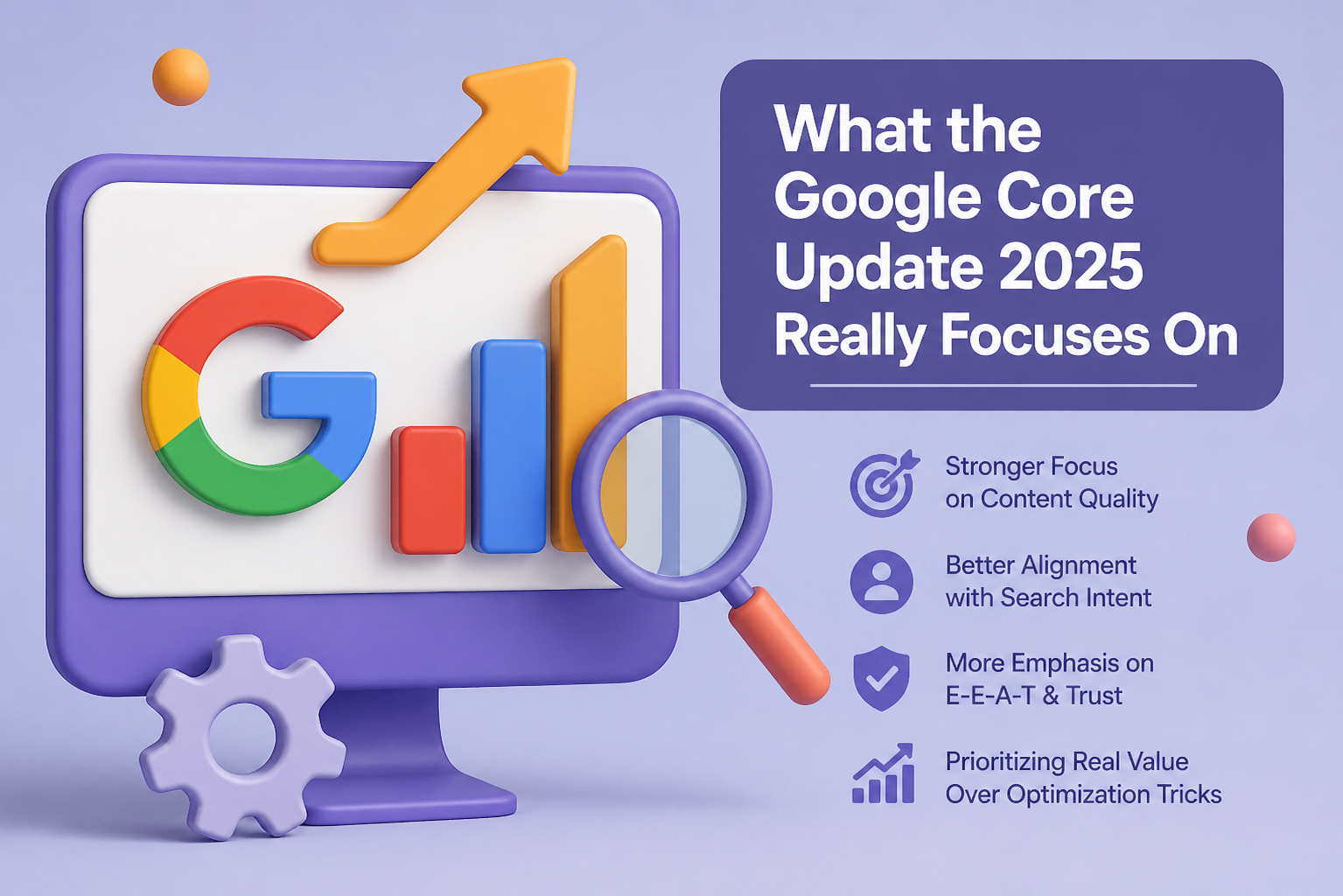
1. Stronger Emphasis on Content Quality
Google has significantly enhanced its ability to evaluate content depth and usefulness. Thin, repetitive, or overly generic content has seen a noticeable decline in rankings, while well-researched and insightful articles are performing better.
Content is no longer just about keywords—it’s about value. Pages that demonstrate expertise, originality, and clarity are gaining visibility.
2. Search Intent Alignment Became Critical
Understanding what users actually want has become more important than ever. Websites that fail to match user intent—even if they are technically optimized—are losing rankings.
For example, informational queries now prioritize in-depth guides, while transactional queries favor product-focused pages. Misalignment between content and intent is being penalized indirectly through lower rankings.
3. Rise of AI-Generated Content Evaluation
With the explosion of AI-generated content, Google has refined its ability to detect low-value automated content. This doesn’t mean AI content is penalized outright, but content lacking human insight, originality, or authenticity is struggling.
This update encourages a hybrid approach:
- AI for efficiency
- Human expertise for depth and trust
4. Increased Importance of E-E-A-T
Experience, Expertise, Authoritativeness, and Trustworthiness (E-E-A-T) continue to play a major role. Websites with strong credibility signals—such as author profiles, real-world experience, and trustworthy backlinks—are seeing positive results.
Industries like healthcare, finance, and technology are especially affected, where trust is critical.
5. Technical SEO Still Matters—but Less Than Before
While technical SEO remains important, it is no longer the primary differentiator. Fast-loading pages, mobile optimization, and structured data are now baseline expectations rather than competitive advantages.
What truly sets websites apart is:
- Content depth
- User engagement
- Real-world relevance
Industries Most Affected
Some industries experienced more volatility than others due to the nature of their content and competition:
- Affiliate marketing websites saw major fluctuations
- AI-generated content platforms faced ranking drops
- Educational and research-based blogs gained visibility
- E-commerce sites with poor product descriptions lost rankings
This indicates that Google is rewarding authenticity and penalizing content created purely for ranking purposes.
How to Adapt Your SEO Strategy
Focus on High-Value Content Creation
Instead of publishing large volumes of content, focus on creating fewer but more impactful articles. Each piece should solve a problem, answer a question, or provide unique insights.
Improve Content Depth and Structure
Well-structured content improves both readability and SEO performance. Use headings, subheadings, and logical flow to guide the reader.
Also consider:
- Adding real-world examples
- Including data or case studies
- Updating outdated content regularly
Optimize for User Experience
User behavior signals such as time on page, bounce rate, and engagement are becoming increasingly important. A good user experience directly influences rankings.
Build Authority and Trust
Establish credibility by:
- Showcasing author expertise
- Linking to reliable sources
- Maintaining transparency
Trust is becoming a ranking factor that cannot be ignored.
The Bigger Picture: Where SEO Is Heading
The December 2025 core update reflects a broader shift in SEO. Search engines are evolving from keyword-based systems to intelligent platforms that understand context, intent, and quality.
This means SEO is no longer just a technical discipline—it’s becoming a blend of:
- Content strategy
- User psychology
- Brand authority
Businesses that adapt to this shift will gain a competitive advantage, while those relying on outdated tactics will struggle to maintain visibility.
Conclusion
The December 2025 Google core update is a clear signal that SEO is entering a more mature and intelligent phase. The focus has shifted from optimization tricks to genuine value creation. Websites that prioritize users, deliver high-quality content, and build trust will continue to succeed in this evolving landscape.
Instead of chasing algorithm changes, the smarter approach is to align with Google’s ultimate goal: providing the best possible experience for users. Those who embrace this mindset will not only recover from ranking fluctuations but also build long-term, sustainable growth.