Introduction
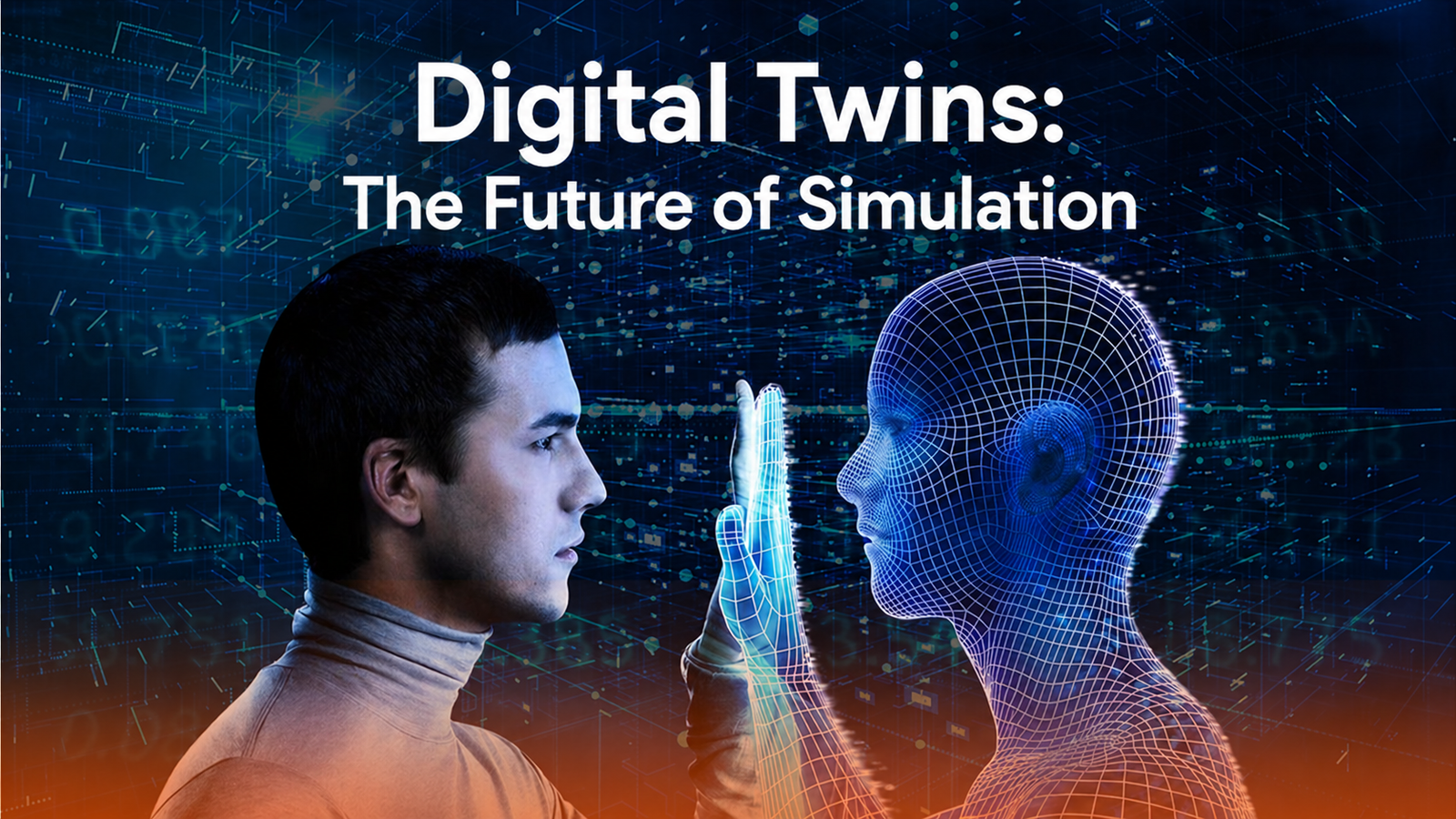
The concept of digital twins is rapidly gaining traction as one of the most transformative innovations in modern technology. A digital twin is a virtual replica of a physical object, system, or process that is continuously updated with real-world data. This dynamic connection allows organizations to simulate, monitor, and optimize performance in ways that were previously impossible. As industries become more data-driven, digital twins are emerging as a critical tool for improving efficiency, reducing costs, and enabling smarter decision-making.
What Are Digital Twins?
At its core, a digital twin is more than just a static 3D model. It is a living, evolving digital representation that mirrors the behavior and state of its real-world counterpart. By integrating data from sensors, IoT devices, and software systems, digital twins provide real-time insights into how physical systems operate.
This technology combines several advanced domains, including data analytics, artificial intelligence, and cloud computing. The result is a system that not only reflects reality but can also predict future outcomes and recommend actions.
Key components of a digital twin typically include:
- A physical asset or system
- A virtual model representing that asset
- Real-time data connectivity between the two
- Analytical tools for simulation and prediction
How Digital Twins Work
Digital twins function by collecting data from the physical world through sensors and connected devices. This data is transmitted to a digital environment where it is processed and analyzed. The virtual model updates continuously, reflecting the current condition of the physical system.
Once the model is established, it can be used to run simulations, test scenarios, and predict potential outcomes. For example, engineers can simulate how a machine will perform under stress or how a city’s traffic system will respond to changes in infrastructure.
This continuous feedback loop creates a powerful cycle:
- Data is collected from the real system
- The digital twin updates in real time
- Simulations and analyses are performed
- Insights are applied back to the physical system
Applications Across Industries
Digital twins are not limited to a single field; their applications span across multiple industries, each benefiting from improved visibility and predictive capabilities.
In manufacturing, digital twins are used to monitor equipment performance, predict failures, and optimize production processes. In healthcare, they can simulate patient conditions and support personalized treatment plans. Urban planners use digital twins to design and manage smart cities, while the energy sector relies on them to optimize power grids and renewable energy systems.
Some common use cases include:
- Predictive maintenance in industrial equipment
- Simulation of supply chain operations
- Smart city planning and traffic management
- Product design and testing in virtual environments
Benefits of Digital Twins
The growing adoption of digital twins is driven by the significant advantages they offer. By bridging the gap between the physical and digital worlds, organizations can gain deeper insights and make more informed decisions.
One of the primary benefits is improved efficiency. With real-time monitoring and predictive analytics, companies can identify issues before they become critical, reducing downtime and maintenance costs. Additionally, digital twins enable safer experimentation, as simulations can be conducted without affecting real-world systems.
Other major benefits include:
- Enhanced decision-making through data-driven insights
- Reduced operational risks and costs
- Faster innovation and product development
- Improved sustainability through optimized resource usage
Challenges and Limitations
Despite their potential, digital twins come with several challenges that organizations must address. Implementing a digital twin requires significant investment in infrastructure, data integration, and skilled personnel. Ensuring data accuracy and reliability is also critical, as incorrect data can lead to flawed simulations and decisions.
Security and privacy concerns are another important consideration, especially when dealing with sensitive industrial or personal data. Additionally, integrating digital twins with legacy systems can be complex and time-consuming.
Organizations must carefully plan their adoption strategies to overcome these hurdles and maximize the value of this technology.
The Role of AI and IoT in Digital Twins
Artificial intelligence and the Internet of Things (IoT) play a crucial role in the evolution of digital twins. IoT devices provide the continuous stream of data needed to keep digital twins updated, while AI enables advanced analytics, pattern recognition, and predictive modeling.
With AI integration, digital twins can move beyond simple simulations to become intelligent systems capable of learning and adapting over time. This combination enhances their ability to provide actionable insights and automate decision-making processes.
The Future of Digital Twins
The future of digital twins looks promising, with advancements expected in scalability, accuracy, and real-time processing. As computing power increases and data becomes more accessible, digital twins will become more detailed and widely adopted.
In the coming years, we may see digital twins applied at a much larger scale, including entire cities, ecosystems, and even human bodies. This could revolutionize how we approach complex challenges such as climate change, healthcare, and urban development.
Emerging trends include:
- Integration with augmented and virtual reality for immersive simulations
- Expansion into consumer applications
- Greater use in sustainability and environmental monitoring
- Development of autonomous, self-optimizing systems
Conclusion
Digital twins represent a powerful shift in how we understand and interact with the physical world. By enabling real-time simulation, prediction, and optimization, they provide a new level of insight and control across industries. While challenges remain, the potential benefits far outweigh the limitations, making digital twins a cornerstone of future technological innovation.
As organizations continue to adopt and refine this technology, digital twins are set to become an essential tool for driving efficiency, innovation, and smarter decision-making in an increasingly complex world.