Physical Address
304 North Cardinal St.
Dorchester Center, MA 02124
Physical Address
304 North Cardinal St.
Dorchester Center, MA 02124

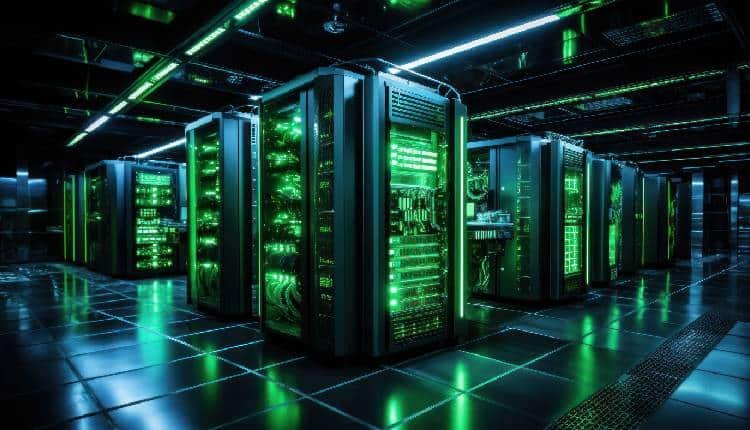
The rapid growth of cloud computing, artificial intelligence, big data, streaming platforms, and digital services has dramatically increased global demand for data storage and processing power. Behind every online transaction, video stream, AI model, and business application lies a massive network of data centers operating around the clock. While these facilities power the modern digital economy, they also consume enormous amounts of electricity and generate significant environmental impact.
As concerns about climate change and energy consumption continue growing, technology companies and enterprises are under increasing pressure to reduce their carbon footprint and adopt sustainable operational practices. This has led to the rise of green data centers — environmentally responsible facilities designed to minimize energy consumption, improve efficiency, and support sustainable cloud infrastructure.
Green data centers are transforming how organizations approach cloud computing by integrating renewable energy, energy-efficient hardware, advanced cooling systems, and intelligent resource management technologies. These innovations are helping businesses reduce operational costs while supporting long-term environmental sustainability goals.
A green data center is a facility designed to reduce environmental impact through efficient energy usage, sustainable infrastructure, and optimized operational practices. Unlike traditional data centers that rely heavily on fossil fuel-based electricity and energy-intensive cooling systems, green data centers focus on minimizing waste and maximizing efficiency.
These facilities use technologies such as renewable energy sources, smart power management systems, liquid cooling, virtualization, and AI-driven monitoring tools to reduce energy consumption. The goal is not only to lower operational expenses but also to support global sustainability initiatives and corporate environmental responsibility.
Green data centers play a crucial role in modern cloud infrastructure because cloud services require massive computing resources. As businesses continue migrating workloads to cloud platforms, sustainable infrastructure becomes increasingly important for balancing technological growth with environmental responsibility.
The demand for cloud services has grown exponentially over the past decade. Businesses rely on cloud platforms for storage, software applications, analytics, remote collaboration, and AI processing. However, maintaining large-scale cloud infrastructure requires substantial amounts of electricity.
Traditional data centers consume energy for servers, networking equipment, backup systems, and cooling technologies. In some cases, cooling systems alone account for a significant portion of total energy usage.
This high energy demand contributes to carbon emissions and environmental strain, especially when electricity comes from non-renewable sources. As governments, investors, and consumers increasingly prioritize sustainability, technology companies are being pushed to adopt greener operational models.
Sustainable cloud infrastructure helps organizations reduce emissions, improve energy efficiency, comply with environmental regulations, and strengthen corporate social responsibility (CSR) initiatives.
Several innovative technologies are helping organizations build more sustainable data center environments.
Many green data centers now rely on renewable energy sources such as solar, wind, hydroelectric, and geothermal power. Major cloud providers are investing heavily in renewable energy projects to offset electricity consumption and achieve carbon neutrality goals.
Renewable energy reduces dependence on fossil fuels while supporting cleaner and more sustainable operations.
Traditional cooling methods consume massive amounts of energy. Green data centers increasingly use advanced cooling technologies such as liquid cooling, free-air cooling, and immersion cooling to improve thermal efficiency.
These systems reduce electricity consumption while maintaining optimal server performance.
Virtualization allows multiple applications and workloads to run on fewer physical servers. This improves resource utilization and reduces the need for additional hardware, lowering both energy consumption and infrastructure costs.
Artificial intelligence is being used to monitor power usage, predict cooling requirements, and optimize resource allocation in real time. AI-driven systems help reduce unnecessary energy waste while improving operational efficiency.
Green data centers provide both environmental and business advantages. One of the most important benefits is reduced energy consumption, which directly lowers operational costs for cloud providers and enterprises.
Improved energy efficiency also helps organizations achieve sustainability targets and comply with environmental regulations. Many businesses now consider sustainability performance when selecting cloud vendors and technology partners.
Green infrastructure additionally improves long-term scalability. Efficient systems reduce hardware strain and operational waste, supporting more sustainable expansion as data demands increase.
Another major benefit is enhanced brand reputation. Companies investing in sustainable cloud infrastructure often strengthen their public image and attract environmentally conscious customers and investors.
| Green Data Center Feature | Purpose | Sustainability Benefit |
|---|---|---|
| Renewable Energy Usage | Power infrastructure sustainably | Reduces carbon emissions |
| Efficient Cooling Systems | Lower thermal energy consumption | Reduces electricity usage |
| Virtualization Technology | Optimize server utilization | Minimizes hardware requirements |
| AI-Based Energy Monitoring | Improve operational efficiency | Prevents energy waste |
| Modular Infrastructure Design | Support scalable growth | Reduces construction waste |
| Energy-Efficient Hardware | Lower power consumption | Improves sustainability performance |
| Water Conservation Systems | Reduce water usage | Supports environmental protection |
Large cloud providers are leading the push toward sustainable cloud infrastructure. Technology companies are investing billions of dollars into renewable energy projects, carbon reduction initiatives, and energy-efficient data center technologies.
Many global cloud providers have announced commitments to achieving carbon neutrality or operating entirely on renewable energy within the coming years. These companies are also developing advanced sustainability reporting systems to measure environmental impact more accurately.
The scale of these investments is influencing the broader technology industry and encouraging smaller organizations to adopt greener operational practices as well.
Despite their advantages, green data centers also face several challenges. One major issue is the high initial investment required for sustainable infrastructure technologies. Renewable energy systems, advanced cooling technologies, and energy-efficient hardware often involve significant upfront costs.
Geographic limitations can also affect renewable energy availability. Certain regions may lack sufficient access to solar, wind, or hydroelectric resources.
Another challenge involves balancing performance demands with sustainability goals. Cloud providers must maintain high availability, processing power, and scalability while reducing environmental impact.
Additionally, transitioning from legacy infrastructure to energy-efficient systems can be complex and time-consuming for established organizations.
Artificial intelligence and automation are becoming essential components of green cloud infrastructure. AI systems can continuously analyze environmental conditions, server workloads, and power consumption patterns to improve efficiency automatically.
Predictive maintenance tools help identify equipment issues before failures occur, reducing downtime and unnecessary energy waste. Automated workload distribution also improves server utilization by shifting tasks to more energy-efficient systems or locations.
Machine learning algorithms further optimize cooling strategies and energy allocation based on real-time operational data.
As AI technologies continue evolving, they are expected to play an even larger role in reducing the environmental impact of large-scale cloud environments.
The future of cloud infrastructure will likely be shaped by stricter environmental regulations, growing energy demands, and increased public pressure for sustainability. Businesses are expected to prioritize eco-friendly cloud providers and sustainable IT operations more heavily in the coming years.
Emerging technologies such as carbon-aware computing, edge computing optimization, and hydrogen-powered backup systems may further improve sustainability efforts.
Data center operators are also exploring circular economy practices such as recycling hardware components, reducing electronic waste, and extending equipment life cycles.
In the long term, sustainability will become a central factor in cloud infrastructure strategy rather than simply an environmental initiative.
Businesses increasingly depend on cloud computing for daily operations, customer engagement, analytics, and digital transformation initiatives. Choosing sustainable infrastructure partners can help organizations reduce indirect carbon emissions and strengthen ESG (Environmental, Social, and Governance) performance.
Green cloud infrastructure also supports long-term operational resilience by reducing energy costs and improving efficiency. Companies that align technology strategies with sustainability goals may gain competitive advantages in both reputation and regulatory compliance.
As consumers and investors become more environmentally conscious, sustainability-driven technology decisions will continue influencing business growth and market positioning.
Green data centers represent a major shift in how the technology industry approaches cloud infrastructure and digital sustainability. As global demand for computing power continues rising, businesses and cloud providers must balance technological innovation with environmental responsibility.
By adopting renewable energy, energy-efficient hardware, advanced cooling systems, virtualization, and AI-driven optimization, green data centers are helping reduce the environmental impact of modern digital operations.
Although challenges related to cost, scalability, and infrastructure transformation remain, the movement toward sustainable cloud computing is accelerating rapidly. Organizations that invest in green infrastructure today will be better prepared for the future of responsible and energy-efficient digital transformation.
The push toward sustainable cloud infrastructure is no longer just an environmental trend — it has become a strategic necessity for the future of global technology and business operations.