Physical Address
304 North Cardinal St.
Dorchester Center, MA 02124
Physical Address
304 North Cardinal St.
Dorchester Center, MA 02124
Introduction
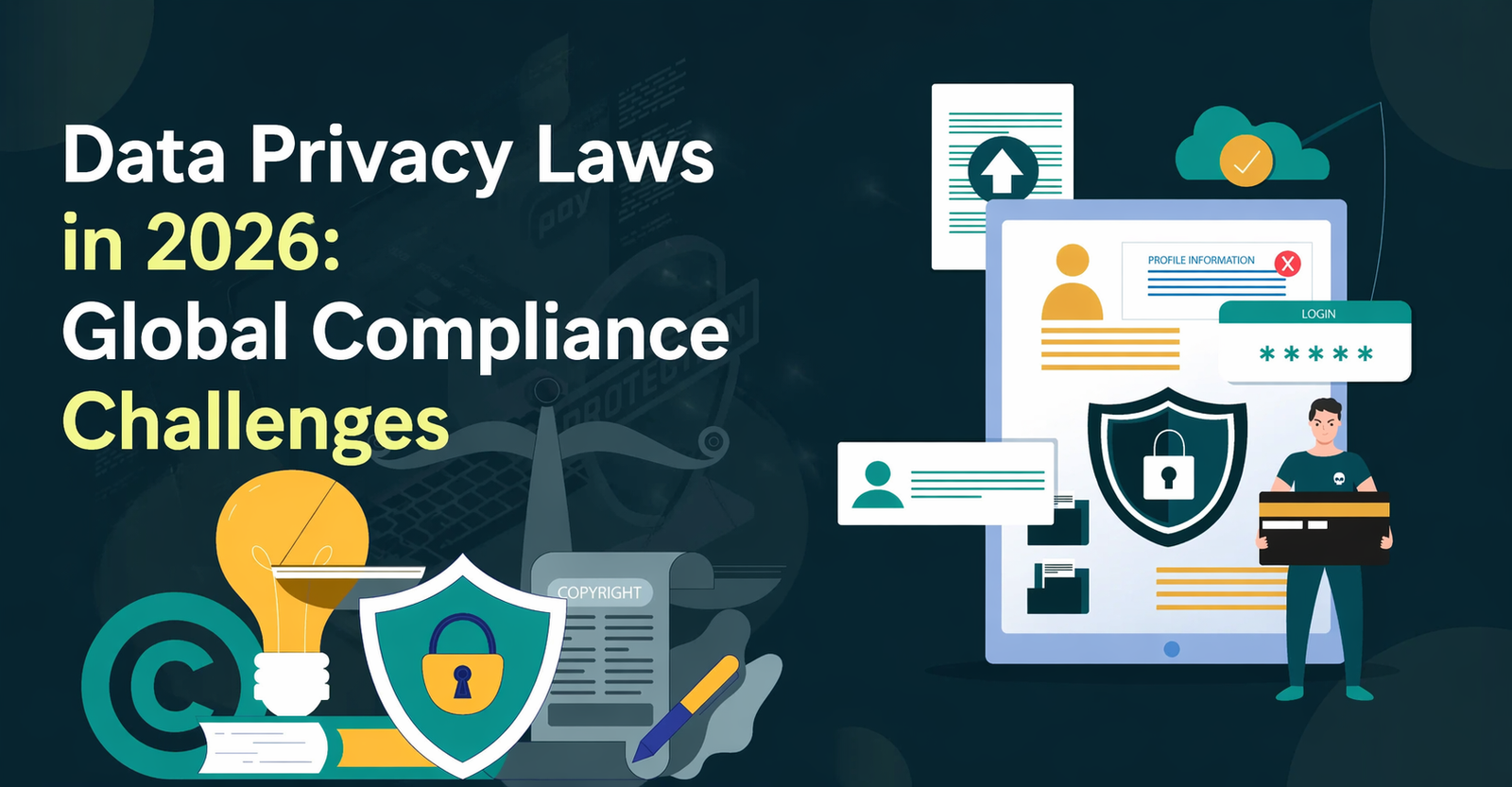
In 2026, data privacy has become a central concern for organizations operating in an increasingly digital and interconnected world. With the rapid growth of cloud computing, artificial intelligence, and cross-border data flows, governments across the globe have introduced stricter regulations to protect personal data. As a result, businesses are now navigating a complex web of data privacy laws that vary significantly by region.
Compliance is no longer just a legal requirement—it is a critical component of building trust with customers, partners, and stakeholders. Organizations that fail to meet regulatory expectations risk not only financial penalties but also reputational damage and loss of customer confidence.
The Evolving Global Privacy Landscape
Over the past decade, data privacy regulations have expanded rapidly. Laws such as the General Data Protection Regulation (GDPR) in Europe set a global benchmark, influencing similar frameworks worldwide. By 2026, countries in Asia, North America, and other regions have implemented their own data protection laws, each with unique requirements.
This evolving landscape has created a fragmented regulatory environment where multinational organizations must comply with multiple, and sometimes conflicting, rules. Differences in consent requirements, data storage policies, and reporting obligations add layers of complexity to compliance efforts.
Key Compliance Requirements
Modern data privacy laws share several common principles, even though their implementation may differ across jurisdictions. Organizations must adopt a proactive approach to ensure compliance with these core requirements.
Some of the most critical elements include:
These requirements demand not only legal awareness but also robust technical and operational capabilities.
Cross-Border Data Transfer Challenges
One of the biggest challenges in 2026 is managing cross-border data transfers. As businesses operate globally, data often moves between different countries with varying legal frameworks. Some regions impose strict restrictions on transferring data outside their borders, requiring additional safeguards or approvals.
Organizations must carefully evaluate where their data is stored and processed. Failure to comply with international data transfer rules can lead to severe penalties and operational disruptions. This has led many companies to adopt localized data storage strategies or invest in regional data centers.
Impact of Emerging Technologies
Emerging technologies such as artificial intelligence, machine learning, and the Internet of Things (IoT) are adding new dimensions to data privacy challenges. These technologies rely heavily on large volumes of data, often including sensitive personal information.
AI systems, for example, raise concerns about data usage transparency, bias, and accountability. Organizations must ensure that their AI models comply with privacy regulations while maintaining performance and accuracy.
Key concerns related to emerging technologies include:
Balancing innovation with compliance is becoming increasingly difficult but essential.
Data Governance and Accountability
Strong data governance frameworks are critical for managing privacy risks effectively. Organizations must establish clear policies, roles, and responsibilities to ensure that data is handled responsibly across all departments.
This includes appointing data protection officers, conducting regular audits, and maintaining detailed records of data processing activities. Accountability is a key principle in modern privacy laws, requiring organizations to demonstrate compliance rather than simply claim it. Effective governance also involves training employees and fostering a culture of data responsibility throughout the organization.
Security and Risk Management
Data security is a fundamental aspect of privacy compliance. With the rise in cyber threats and data breaches, organizations must implement advanced security measures to protect sensitive information.
This involves:
A proactive approach to security not only ensures compliance but also strengthens overall business resilience.
The Role of Automation in Compliance
As regulatory requirements become more complex, many organizations are turning to automation to manage compliance efficiently. Privacy management tools can help track data flows, monitor compliance status, and generate reports for regulatory authorities.
Automation reduces the risk of human error and enables organizations to respond quickly to regulatory changes. It also allows businesses to scale their compliance efforts as they grow and expand into new markets.
Challenges for Businesses
Despite advancements in tools and frameworks, businesses continue to face several challenges in achieving global compliance. One major issue is the lack of standardization across regulations, which increases the burden on organizations operating in multiple regions.
Other challenges include:
These challenges require a strategic and well-coordinated approach to data privacy management.
The Future of Data Privacy
Looking ahead, data privacy laws are expected to become even more stringent and comprehensive. Governments will continue to refine regulations to address emerging technologies and evolving risks. At the same time, consumers are becoming more aware of their rights and demanding greater control over their personal data.
Organizations that prioritize privacy by design and integrate compliance into their core operations will be better positioned to adapt to these changes. Data privacy is no longer just a regulatory issue—it is a competitive advantage in a trust-driven digital economy.
Conclusion
Data privacy laws in 2026 present significant challenges for organizations operating in a global environment. The complexity of regulations, combined with rapid technological advancements, requires businesses to adopt a proactive and strategic approach to compliance.
By investing in strong data governance, robust security measures, and advanced compliance tools, organizations can navigate these challenges effectively. While the path to compliance may be complex, it is essential for building trust, ensuring legal adherence, and sustaining long-term business success.
Ultimately, data privacy is not just about meeting legal requirements—it is about respecting user rights and creating a secure and transparent digital ecosystem for the future.