The Cloud as the Engine of Digital Transformation –
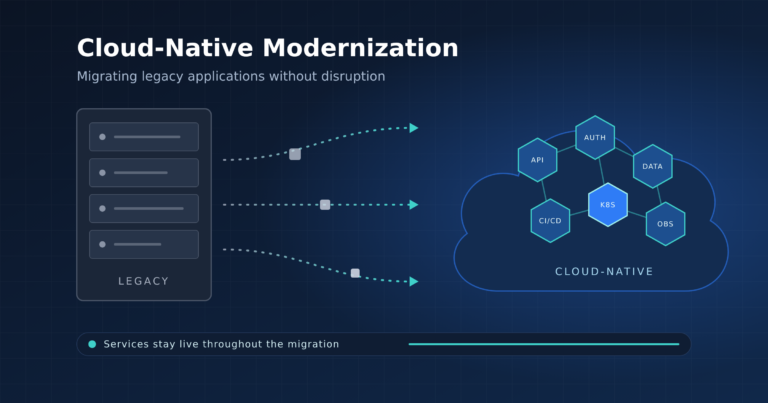
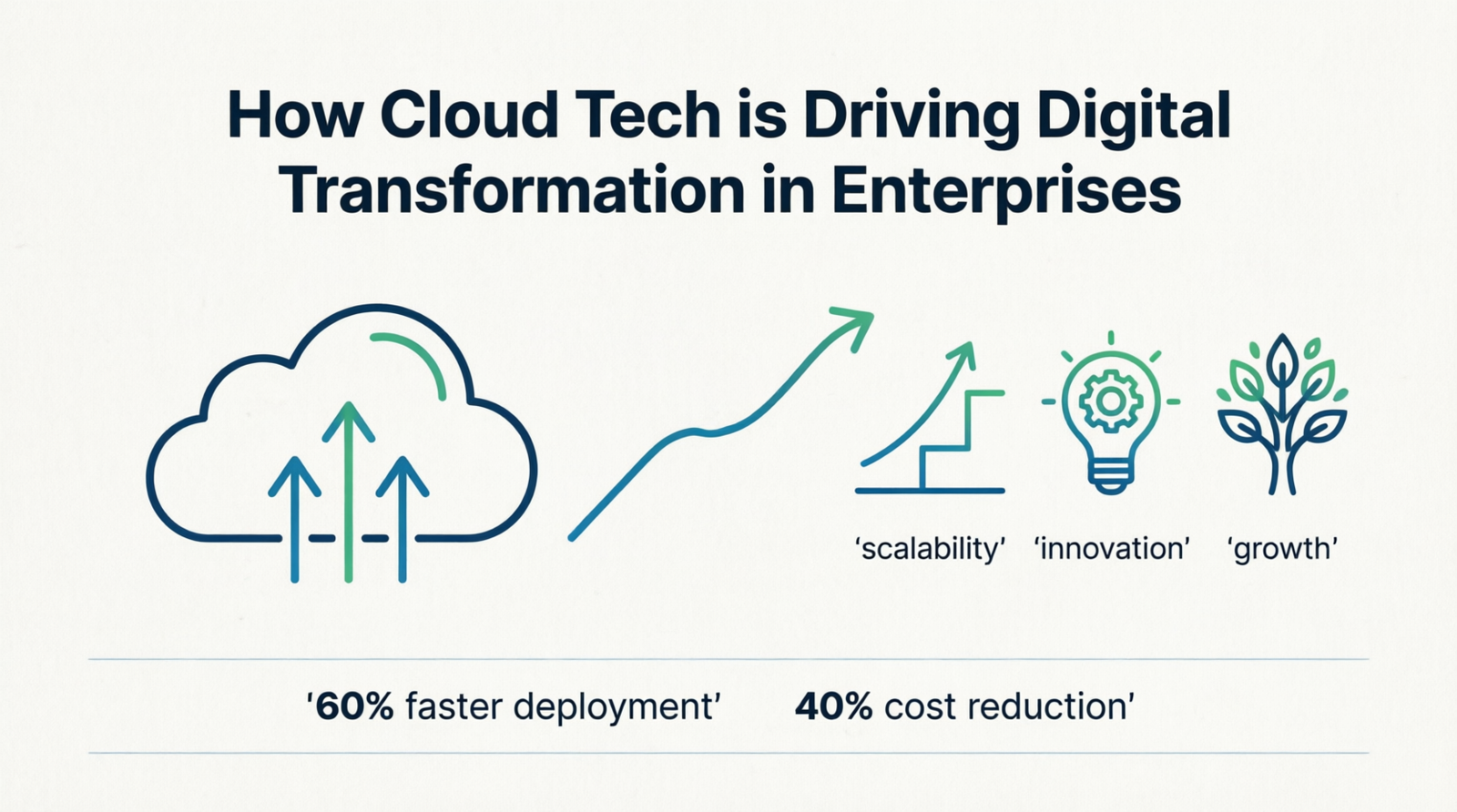
Enterprises across the world are undergoing rapid digital transformation, and cloud technology is at the center of this shift. Modern organizations are moving away from traditional IT infrastructure and adopting cloud-based systems to improve speed, flexibility, and scalability. Platforms such as Amazon Web Services have made it possible for businesses to access powerful computing resources without maintaining expensive physical servers. This transition is not just a technical upgrade—it is a complete change in how companies operate, innovate, and compete. Cloud tech enables organizations to respond quickly to market changes, launch new services faster, and reduce operational complexity. As industries become more digital, cloud computing has become the foundation of enterprise transformation strategies.
Key Points:
- Cloud is the foundation of modern digital transformation
- Enterprises are moving away from traditional IT systems
- Enables faster innovation and scalability
- Reduces dependency on physical infrastructure
Flexibility and Scalability in Enterprise Operations –
One of the biggest advantages of cloud technology is its ability to provide unmatched flexibility and scalability. Enterprises no longer need to invest heavily in hardware or over-provision resources. Instead, they can scale computing power up or down based on real-time demand. This is especially important for businesses with fluctuating workloads, such as e-commerce platforms or financial services. Cloud systems also support global operations by allowing companies to deploy services across multiple regions instantly. This ensures better performance and lower latency for users worldwide. Scalability allows enterprises to grow without being restricted by infrastructure limitations. As a result, cloud tech has become a key driver of business expansion.
Key Points:
- On-demand scalability reduces infrastructure costs
- Supports fluctuating business workloads
- Enables global service deployment
Enabling Innovation Through Advanced Technologies –
Cloud platforms are not just storage and computing systems—they are innovation ecosystems. Enterprises can access advanced tools like Artificial Intelligence, machine learning, analytics, and automation directly through cloud services. This allows businesses to experiment with new ideas without large upfront investments. Companies can build, test, and deploy applications faster than ever before. Cloud technology also supports integration with modern tools such as IoT systems and big data platforms. This accelerates innovation across industries like healthcare, finance, retail, and manufacturing. By reducing barriers to experimentation, cloud tech empowers organizations to stay competitive in rapidly evolving markets.
Key Points:
- Provides access to AI, ML, and analytics tools
- Supports rapid application development and testing
- Encourages innovation with low upfront cost
Improving Collaboration and Business Efficiency –
Cloud technology has significantly improved collaboration within enterprises. Employees can access data, applications, and tools from anywhere in the world, enabling remote and hybrid work models. This flexibility has become essential in today’s global business environment. Cloud-based platforms allow teams to collaborate in real time, reducing delays and improving productivity. Enterprises also benefit from centralized data storage, which ensures consistency and accuracy across departments. Additionally, automation features reduce manual work and streamline business processes. By improving communication and workflow efficiency, cloud tech helps organizations operate more effectively and respond faster to business needs.
Key Points:
- Enables remote and hybrid work environments
- Supports real-time collaboration
- Centralizes data for better accuracy
Security, Compliance, and Business Continuity –
Security is a critical concern for enterprises adopting cloud technology. Modern cloud providers invest heavily in security measures such as encryption, identity management, and threat detection systems. Amazon Web Services and similar platforms offer enterprise-grade security to protect sensitive business data. Cloud systems also help organizations comply with global regulations by providing built-in compliance frameworks. Another major advantage is business continuity—cloud platforms offer backup and disaster recovery solutions that minimize downtime during failures. This ensures that businesses can continue operating even during unexpected disruptions. While security remains a shared responsibility, cloud tech significantly enhances overall protection and reliability.
Key Points:
- Advanced security features protect enterprise data
- Supports global regulatory compliance
- Provides disaster recovery and backup systems
Conclusion –
Cloud technology is a powerful driver of digital transformation in modern enterprises. It enables organizations to become more flexible, scalable, and innovative while reducing operational costs and complexity. With access to advanced tools like AI and analytics, businesses can accelerate innovation and improve decision-making. Cloud platforms also enhance collaboration, security, and business continuity, making them essential for today’s digital-first world. As enterprises continue to evolve, cloud tech will remain the backbone of their transformation journey. Companies that embrace cloud adoption early will be better positioned to compete, grow, and succeed in the future digital economy.