Why Prompt Engineering Is Becoming a Core IT Skill
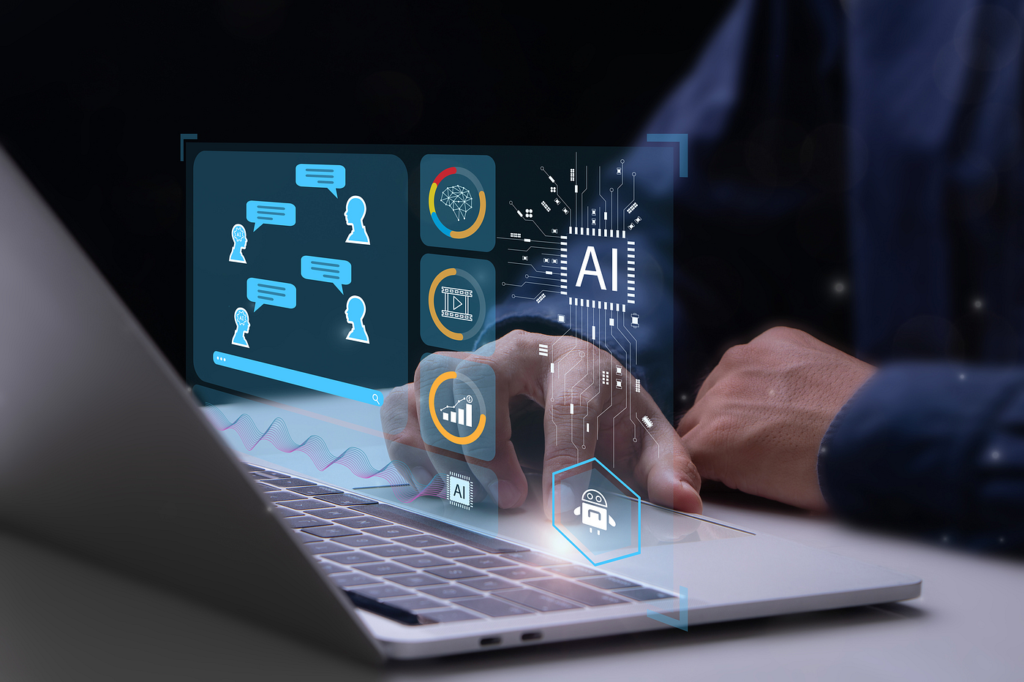
Artificial Intelligence is reshaping the IT industry at an extraordinary pace. From software development and cybersecurity to cloud computing and technical support, AI-powered tools are becoming deeply integrated into everyday workflows. As businesses increasingly rely on generative AI platforms to improve productivity and automate operations, a new technical capability is emerging as one of the most valuable skills in modern technology environments: prompt engineering.
What once appeared to be a simple way of interacting with AI systems has evolved into a specialized discipline that directly impacts the quality, efficiency, and accuracy of AI-generated results. Today, IT professionals are discovering that knowing how to communicate effectively with AI tools can be just as important as understanding programming languages, cloud platforms, or database systems.
Understanding Prompt Engineering –
Prompt engineering refers to the process of designing precise and well-structured instructions for AI systems to generate useful responses. A prompt is not merely a question; it is a carefully crafted input that guides the AI toward a desired outcome. The quality of the response often depends on how clearly the request is framed.
For instance, a vague request such as asking an AI tool to “create a login system” may produce incomplete or insecure code. On the other hand, a detailed prompt that specifies technologies, security standards, database requirements, and expected functionality can generate a far more accurate and production-ready result.
This ability to guide AI systems effectively is becoming increasingly valuable because organizations now depend on AI for tasks ranging from code generation to business analytics and workflow automation.
The Growing Dependence on AI in IT –
The IT sector is experiencing a major transformation driven by artificial intelligence. Developers are using AI coding assistants to speed up application development, system administrators are automating repetitive operational tasks, and cybersecurity teams are leveraging machine learning tools to identify threats more efficiently.
AI is also changing how enterprises manage data, monitor infrastructure, and provide technical support. Many organizations now integrate AI-driven chatbots, automation engines, and intelligent monitoring systems into their daily operations.
However, AI systems do not automatically understand business requirements or technical objectives. Their effectiveness depends heavily on the instructions provided by users. Poorly written prompts can produce vague, misleading, or incomplete outputs, while carefully engineered prompts generate more reliable and relevant results. This growing dependence on AI interaction is one of the primary reasons prompt engineering is becoming a core IT skill.
Why Businesses Are Prioritizing Prompt Engineering –
Companies are rapidly realizing that AI tools alone do not guarantee productivity gains. The real value comes from employees who know how to use these tools effectively. An organization may invest heavily in advanced AI platforms, but without skilled professionals capable of guiding those systems correctly, the results may fall short of expectations.
Prompt engineering helps businesses improve operational efficiency by reducing the time required for coding, documentation, troubleshooting, and analysis. It also supports better collaboration between technical and non-technical teams because AI systems can translate complex tasks into more accessible workflows.
As enterprises adopt AI across multiple departments, professionals who understand prompt design are becoming increasingly valuable assets. Employers are now seeking individuals who can combine technical expertise with the ability to direct AI systems strategically.
The Impact on Software Development –
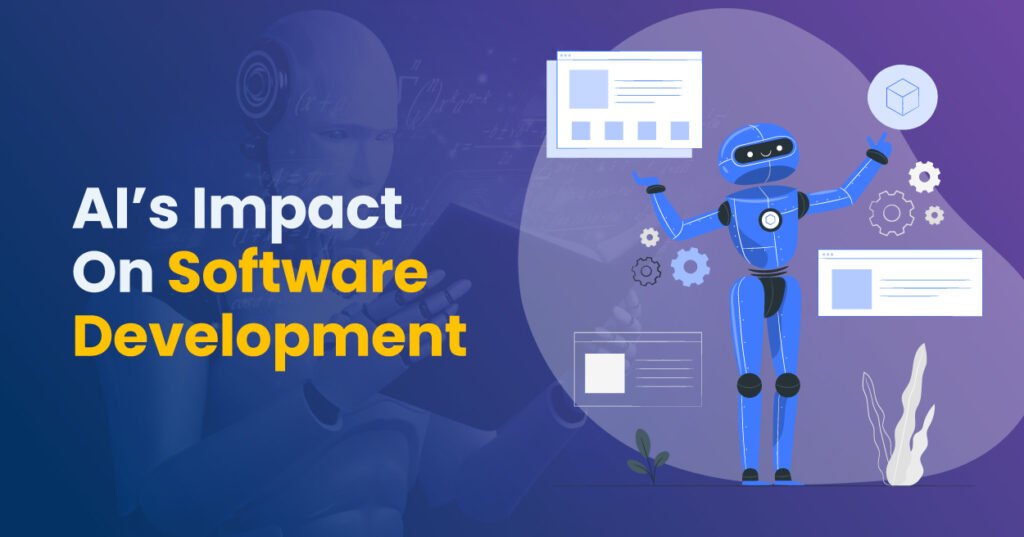
Software development is one of the areas where prompt engineering is having the greatest influence. Developers are using AI tools to generate code snippets, identify bugs, create documentation, and even design software architecture recommendations.
The difference between a generic AI response and a highly effective one often lies in the structure of the prompt. A developer who provides detailed technical instructions can significantly improve the quality of generated code. This reduces debugging time, speeds up development cycles, and allows teams to focus on more strategic aspects of software engineering.
Prompt engineering also enhances collaboration within development teams. By creating standardized prompts, organizations can maintain consistency in coding practices, documentation formats, and automation workflows. This consistency becomes especially important in large-scale enterprise environments where multiple teams interact with AI systems daily.
The Role of Prompt Engineering in Cybersecurity –
Cybersecurity professionals are increasingly using AI to strengthen threat detection, vulnerability management, and incident response processes. AI systems can analyze large volumes of security data much faster than humans, helping organizations identify potential risks more efficiently.
However, cybersecurity requires precision and accuracy. A poorly constructed prompt may produce incomplete security recommendations or fail to identify critical vulnerabilities. Skilled prompt engineering helps security teams obtain more relevant insights from AI-powered tools.
For example, security analysts can use structured prompts to request detailed incident summaries, simulate attack scenarios, or generate remediation recommendations based on specific compliance frameworks. As cyber threats continue to evolve, the ability to interact effectively with AI-driven security systems will become an increasingly important part of IT security operations.
AI-Powered Automation and IT Operations –
Modern IT environments rely heavily on automation to manage infrastructure, monitor systems, and reduce operational complexity. AI is enhancing automation capabilities by generating scripts, analyzing logs, and predicting system issues before they escalate into major problems.
Prompt engineering plays a key role in ensuring these automation processes function effectively. IT professionals who understand how to structure prompts can generate more accurate automation scripts, improve monitoring configurations, and streamline incident management workflows.
In cloud and DevOps environments, prompt engineering is also helping teams accelerate deployment pipelines, optimize infrastructure configurations, and improve scalability planning. As organizations continue moving toward AI-assisted operations, the demand for professionals with prompt engineering expertise will continue to rise.
Human Skills Still Matter –
Despite the rapid growth of AI, human expertise remains essential. AI systems can generate information quickly, but they still require human oversight, judgment, and strategic direction. Prompt engineering highlights the importance of communication, critical thinking, and problem-solving in modern IT roles.
Professionals must understand not only how AI works but also how to define objectives clearly, evaluate outputs critically, and ensure technical accuracy. In many ways, prompt engineering represents the intersection of technical knowledge and human creativity.
The most effective IT professionals will not simply rely on AI-generated results. Instead, they will learn how to collaborate with AI systems intelligently, using prompt engineering to maximize efficiency while maintaining quality and security standards.
Challenges Associated with Prompt Engineering –
Although prompt engineering offers significant advantages, it also introduces several challenges. AI-generated outputs are not always accurate, and responses can vary depending on how prompts are phrased. This means professionals must continuously refine their prompting techniques and validate AI-generated information carefully.
There are also concerns related to data privacy and security. Organizations must ensure that sensitive information is not exposed through AI interactions without proper governance controls. In enterprise environments, prompt engineering must be combined with strong compliance and security practices.
Another challenge is the rapid evolution of AI technologies. New models, tools, and capabilities are emerging constantly, requiring IT professionals to adapt continuously. Prompt engineering is therefore becoming a dynamic skill that evolves alongside AI advancements.
The Future of Prompt Engineering in IT –
As generative AI becomes embedded in enterprise software and digital infrastructure, prompt engineering is likely to become a standard technical competency. Similar to how scripting and cloud management became essential IT skills over time, prompt engineering is following a similar path.
Future IT environments may include dedicated AI workflow specialists responsible for optimizing prompts, managing AI operations, and improving AI-driven automation systems. Organizations may also develop internal prompt libraries and governance frameworks to standardize AI interactions across departments.
Educational institutions and corporate training programs are already beginning to introduce prompt engineering concepts into technical learning paths. This reflects a growing recognition that effective AI communication is now a fundamental part of digital transformation strategies.
Conclusion –
Prompt engineering is no longer just an experimental concept associated with artificial intelligence enthusiasts. It is becoming a critical IT skill that influences software development, cybersecurity, automation, cloud operations, and enterprise productivity.
As businesses continue integrating AI into daily workflows, professionals who can communicate effectively with intelligent systems will gain a significant competitive advantage. The ability to design clear, structured, and context-aware prompts is rapidly becoming as valuable as traditional technical expertise.
In the evolving technology landscape, prompt engineering represents more than simply interacting with AI. It reflects a broader shift in how humans and intelligent systems collaborate to solve problems, improve efficiency, and drive innovation across the IT industry.