The Importance of Real-Time Analytics in Modern Business-
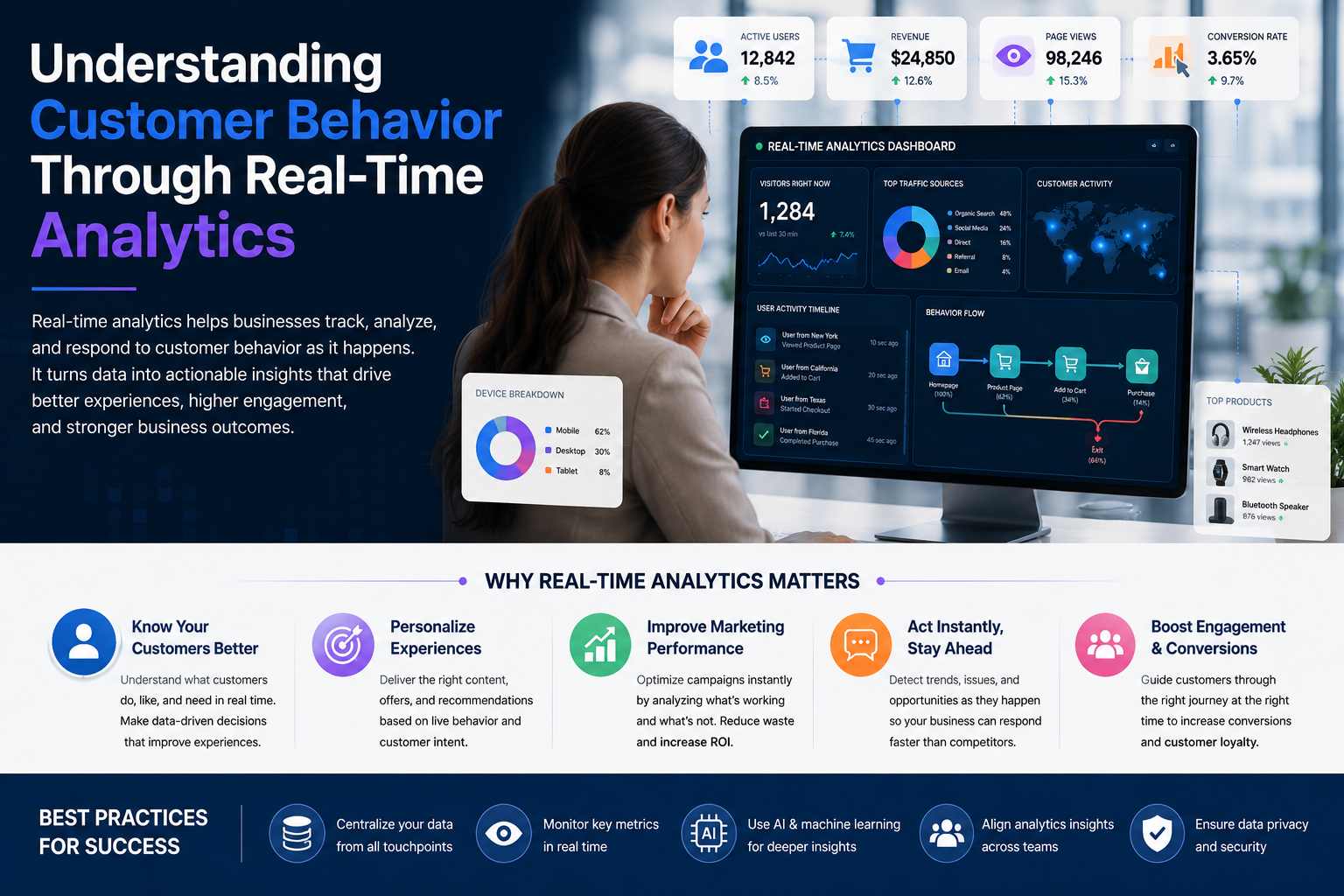
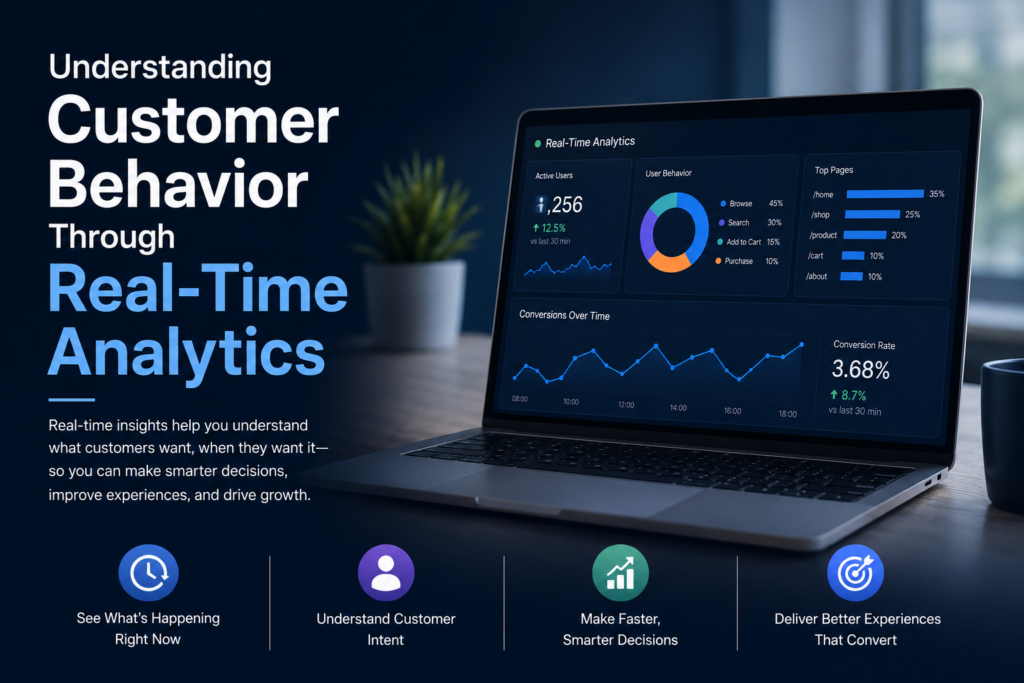
Real-time analytics has become a powerful tool for businesses that want to understand customer behavior instantly and accurately. Companies today collect large amounts of data from websites, mobile applications, social media platforms, and online purchases. By analyzing this data in real time, organizations can identify customer preferences, shopping habits, and engagement patterns without delays. This immediate insight allows businesses to respond quickly to customer needs and improve their overall experience. Real-time analytics also helps organizations detect changes in customer behavior before competitors notice them. Businesses can personalize recommendations, improve customer service, and optimize marketing campaigns based on live data. Moreover, companies can reduce customer dissatisfaction by identifying problems as soon as they occur. This technology plays a major role in increasing customer loyalty and boosting sales performance. As digital competition continues to grow, real-time analytics is becoming essential for long-term success and customer satisfaction.
Key Benefits:
- Provides instant customer insights
- Improves customer experience
- Enhances marketing strategies
- Increases customer retention
- Supports faster business decisions
How Businesses Collect Customer Data in Real Time-
Businesses use various technologies and platforms to gather customer information continuously. Websites track user clicks, browsing duration, and purchase behavior through cookies and analytics tools. Mobile applications monitor customer activity such as app usage, location preferences, and product interactions. Social media platforms provide valuable information about customer opinions, trends, and engagement levels. Companies also use customer relationship management systems to organize and analyze live customer interactions. Sensors, chatbots, and AI-driven tools contribute additional real-time data for better understanding. The collected information helps organizations predict future customer actions and preferences more accurately. Real-time data collection allows businesses to react immediately to customer needs and market trends. However, companies must also ensure customer privacy and follow data protection regulations while collecting information. Effective data management improves trust and creates a stronger relationship between businesses and customers.
Common Data Sources:
- Website analytics
- Mobile applications
- Social media platforms
- Customer feedback systems
- AI and chatbot interactions
Enhancing Customer Experience Through Instant Insights-
Real-time analytics enables businesses to deliver highly personalized customer experiences. Companies can recommend products based on current browsing behavior and recent purchases. Streaming platforms, online stores, and food delivery applications often use real-time recommendations to keep customers engaged. Businesses can also identify customer frustrations instantly and provide quick solutions before problems become serious. For example, if a customer abandons an online shopping cart, companies can send immediate reminders or discount offers. Customer support teams can use live analytics to understand issues faster and provide accurate assistance. Personalized communication makes customers feel valued and improves brand loyalty. Real-time insights also help businesses optimize website layouts, pricing strategies, and promotional campaigns. As customer expectations continue to rise, organizations that provide quick and personalized services gain a competitive advantage in the market.
Customer Experience Improvements:
- Personalized product recommendations
- Faster customer support
- Instant promotional offers
- Better website optimization
The Role of Artificial Intelligence in Real-Time Analytics-
Artificial intelligence plays a major role in improving the efficiency of real-time analytics systems. AI-powered algorithms can process massive amounts of customer data much faster than traditional methods. Machine learning models identify patterns, predict customer behavior, and recommend business actions automatically. AI systems can analyze customer emotions from reviews, comments, and social media interactions. Chatbots powered by AI provide instant responses and collect useful customer information simultaneously. Businesses also use predictive analytics to forecast future trends and customer demands. AI reduces human errors and improves the accuracy of decision-making processes. Furthermore, automated systems help companies respond to changing customer behavior in real time without delays. As AI technology advances, businesses are becoming more capable of understanding customer needs with greater precision. The combination of AI and real-time analytics is transforming modern business strategies across industries.
AI Applications in Analytics:
- Predictive customer behavior analysis
- Automated recommendations
- AI-powered chatbots
Challenges and Future of Real-Time Customer Analytics-
Despite its many advantages, real-time analytics also presents several challenges for businesses. Managing large volumes of data requires strong technological infrastructure and advanced security systems. Companies must invest in skilled professionals, cloud computing, and modern analytics platforms to process data efficiently. Privacy concerns are another major issue because customers expect their personal information to remain secure. Businesses must follow strict regulations and maintain transparency while handling customer data. Inaccurate or incomplete data can also lead to poor business decisions and reduced customer trust. However, future advancements in artificial intelligence, automation, and big data technologies will continue improving analytics capabilities. Businesses are expected to use more advanced predictive tools to understand customer needs before they even express them. Real-time analytics will become even more important as digital interactions continue growing worldwide. Organizations that successfully adapt to these changes will gain stronger customer relationships and long-term business growth.
Major Challenges:
- Data privacy concerns
- High technology costs
- Managing large data volumes
Conclusion-
Real-time analytics has transformed the way businesses understand and interact with customers. By collecting and analyzing live data, organizations can improve customer experiences, personalize services, and make faster business decisions. Technologies such as artificial intelligence and machine learning further enhance the ability to predict customer behavior and market trends. Although challenges like data privacy and infrastructure costs remain significant, the future of real-time analytics continues to grow rapidly. Businesses that invest in advanced analytics solutions can build stronger customer relationships, improve operational efficiency, and achieve sustainable growth in a highly competitive digital marketplace.