
Is Cold Calling Dead in B2B?

The Myth of Cold Calling’s Death –
With the rapid rise of digital marketing, automation tools, and AI-driven outreach, many professionals claim that cold calling is no longer effective in B2B sales. Email campaigns, LinkedIn networking, and inbound marketing strategies have certainly changed how businesses connect with prospects. However, declaring cold calling “dead” is more of a myth than a reality. What has actually happened is a shift in how cold calling is executed and where it fits within a broader sales strategy.
Changing Buyer Behavior –
Modern B2B buyers are more informed than ever. Before speaking to a sales representative, they often research solutions, compare vendors, and read reviews online. This means that traditional cold calls—where a salesperson introduces a completely unfamiliar product—are less effective. Buyers expect relevance and personalization. As a result, random, script-based calling has declined, but targeted and well-researched outreach is still very much alive.
Traditional vs Modern Cold Calling –
| Aspect | Traditional Cold Calling | Modern Cold Calling (Smart Calling) |
|---|---|---|
| Approach | Mass dialing, script-based | Targeted, research-driven |
| Personalization | Minimal or none | Highly personalized messaging |
| Data Usage | Limited or no data insights | Uses CRM, intent data, analytics |
| Buyer Awareness | Prospect unaware of brand | Prospect often pre-engaged via other channels |
| Success Rate | Generally low | Higher due to relevance and timing |
| Integration | Standalone activity | Part of multi-channel strategy |
| Focus | Quantity (more calls) | Quality (better conversations) |
The Rise of Multi-Channel Outreach –
Cold calling is no longer a standalone tactic. Instead, it works best when combined with other channels such as email, social media, and content marketing. For example, a prospect who has seen your email or engaged with your content is more likely to respond positively to a follow-up call. In this context, cold calling becomes “warm calling,” where the conversation starts with some level of familiarity and context.
Personalization Is the New Standard –
One of the biggest shifts in B2B sales is the demand for personalization. Generic pitches no longer work. Successful sales teams now use data to tailor their calls based on the prospect’s industry, role, and specific challenges. A well-prepared call that addresses real pain points can still cut through digital noise and create meaningful engagement.

Human Connection Still Matters –
Despite the growth of automation, human interaction remains a critical factor in B2B decision-making. Complex deals often require trust, relationship-building, and real-time communication—something that emails and automated tools cannot fully replace. A phone call allows for immediate feedback, objection handling, and a more personal connection.
Challenges That Make It Seem Obsolete –
Cold calling faces several challenges that contribute to the perception that it is outdated. These include low response rates, gatekeepers, and increasing reluctance from prospects to answer unknown calls. Additionally, poor execution—such as lack of preparation or overly aggressive sales tactics—continues to damage its reputation.
When Cold Calling Still Works –
Cold calling remains effective in specific scenarios. It works well in industries where decision-makers are not easily reachable through digital channels or where high-value deals justify direct outreach. It is also useful for quickly validating leads, gathering market insights, and initiating conversations that might not happen through email alone.
The Evolution: From Cold to Smart Calling –
The modern version of cold calling is data-driven and strategic. Sales teams now leverage CRM systems, intent data, and analytics to identify the right prospects at the right time. Instead of random dialing, the focus is on quality over quantity. This evolution has transformed cold calling into a smarter, more efficient approach.
The Future of Cold Calling in B2B –
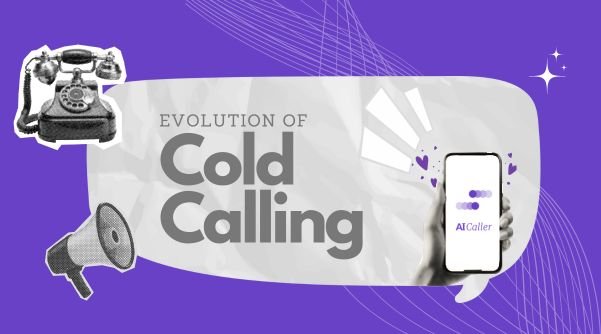
Cold calling is not disappearing—it is evolving. As technology continues to advance, the integration of AI and data analytics will make outreach even more targeted and efficient. Sales professionals who adapt to these changes and focus on delivering value during calls will continue to see results.
Conclusion –
Cold calling in B2B is far from dead, but it is no longer what it used to be. It has shifted from a volume-driven activity to a precision-driven strategy. Businesses that combine cold calling with digital channels, invest in personalization, and prioritize meaningful conversations will find that it still holds significant value.