Uncertainty Is Forcing a Shift in Technology Priorities –
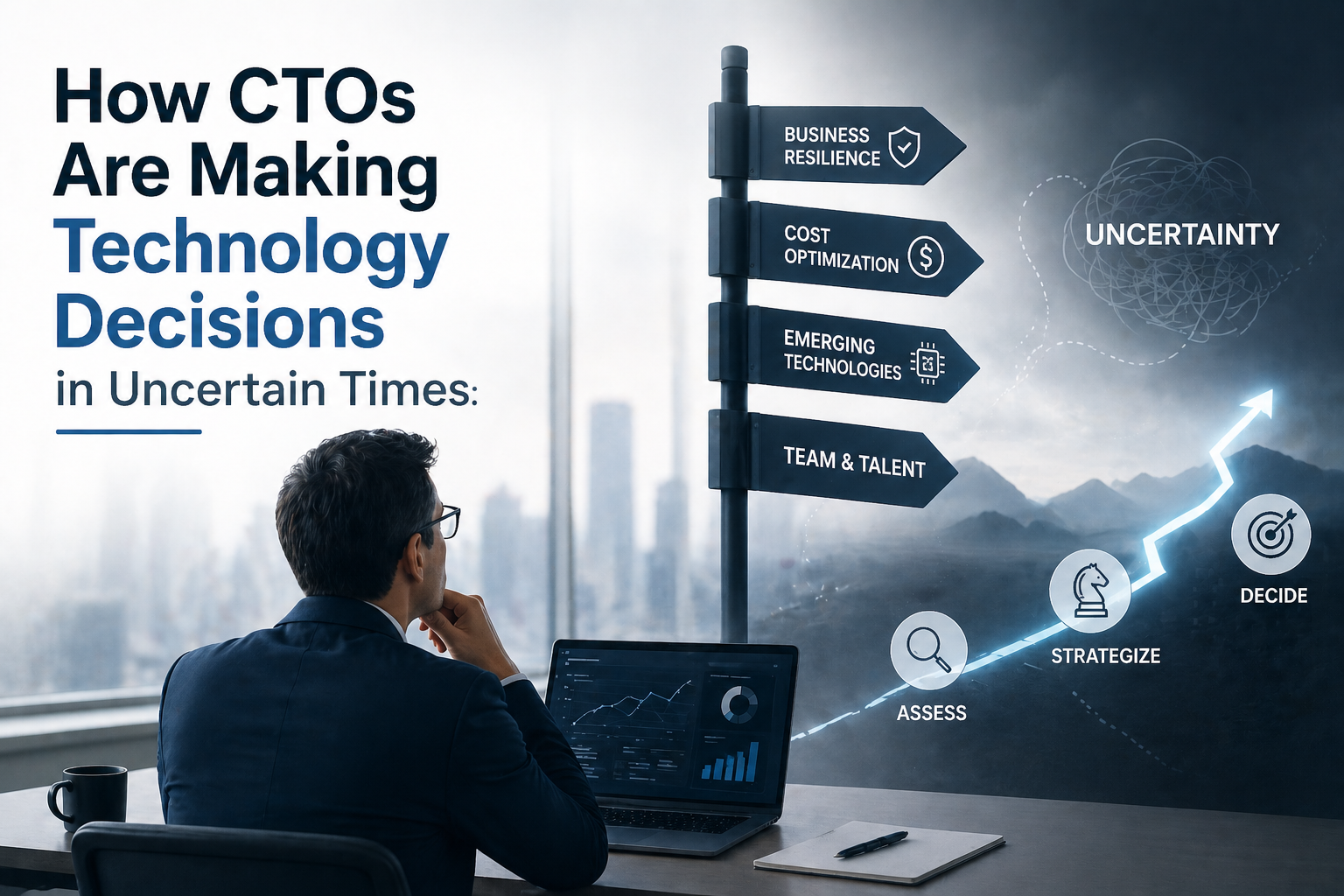
In 2026, economic volatility, rapid technological change, and evolving business demands are forcing CTOs to rethink how they approach technology decisions. The focus has shifted from aggressive innovation to controlled, value-driven investments. Instead of chasing every new trend, CTOs are prioritizing stability, scalability, and cost-efficiency. Uncertainty in markets makes long-term planning more complex, requiring flexible strategies that can adapt quickly. Technology is no longer just a growth enabler—it is a critical component of risk management. CTOs must balance innovation with caution, ensuring that every decision supports both immediate needs and future resilience. This shift is redefining how organizations evaluate and adopt new technologies.
- Focus on stability over rapid expansion
- Increased importance of cost-efficiency
- Flexible and adaptable technology strategies
- Technology decisions tied to risk management
ROI and Business Alignment Are Driving Decisions –
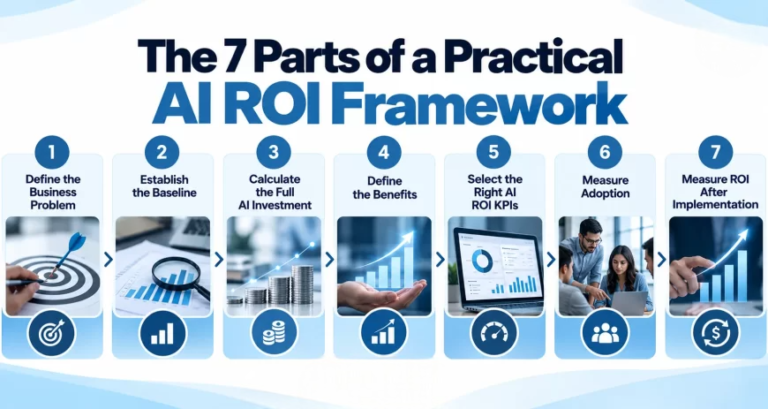
One of the most important factors influencing CTO decisions today is return on investment. With tighter budgets and increased scrutiny, every technology investment must demonstrate clear business value. CTOs are working closely with CFOs and other executives to ensure alignment between technology initiatives and organizational goals. Decisions are no longer made in isolation by IT departments—they are part of broader business strategy. This requires a deep understanding of how technology impacts revenue, cost, and operational efficiency. Projects that cannot show measurable outcomes are often delayed or rejected. As a result, technology planning has become more structured and financially driven.
- Strong focus on measurable ROI
- Close collaboration with finance teams
- Technology aligned with business objectives
- Increased accountability for outcomes
Managing Risk and Cybersecurity Concerns –
In uncertain times, risk management becomes a top priority, and cybersecurity plays a central role in technology decision-making. With increasing threats and more complex digital environments, CTOs must ensure that systems are secure and resilient. A single security breach can lead to financial loss, reputational damage, and operational disruption. As a result, investments in cybersecurity are no longer optional—they are essential. CTOs are also evaluating risks related to vendor dependency, data privacy, and system reliability. This comprehensive approach to risk management influences every technology choice, from infrastructure to software adoption.
- Cybersecurity is a critical investment area
- Focus on system resilience and reliability
- Evaluation of vendor and third-party risks
Balancing Innovation with Operational Efficiency –
While caution is necessary, CTOs cannot afford to completely stop innovation. The challenge lies in balancing new technology adoption with operational efficiency. Companies still need to stay competitive, which requires adopting tools that improve productivity and performance. However, instead of large-scale transformations, many CTOs are opting for incremental improvements. This includes optimizing existing systems, automating routine processes, and upgrading critical components. The goal is to achieve meaningful progress without taking unnecessary risks. By focusing on practical innovation, organizations can continue to evolve while maintaining control over costs and complexity.
- Incremental innovation over large-scale changes
- Optimization of existing systems
- Focus on productivity and efficiency gains
- Controlled adoption of new technologies
Building Agile and Future-Ready Technology Strategies –
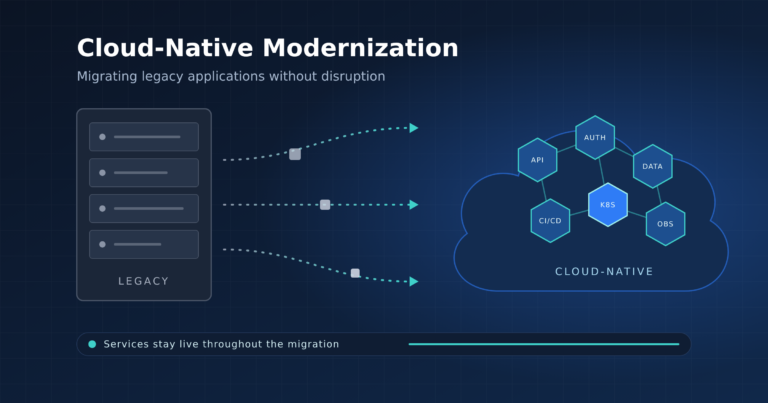
To navigate uncertainty effectively, CTOs are prioritizing agility in their technology strategies. This means creating systems and processes that can quickly adapt to changing conditions. Cloud-based solutions, modular architectures, and scalable platforms are becoming increasingly important. CTOs are also investing in talent and upskilling to ensure teams can manage evolving technologies. Flexibility is key—not just in technology, but also in decision-making processes. Organizations that can respond quickly to market changes are better positioned to succeed. A future-ready strategy allows businesses to remain competitive even in unpredictable environments.
- Adoption of scalable and flexible technologies
- Increased use of cloud and modular systems
- Investment in team skills and capabilities
Conclusion –
In uncertain times, the role of the CTO has become more complex and strategic than ever before. Technology decisions are no longer just about innovation—they are about balancing cost, risk, and business value. By focusing on ROI, strengthening cybersecurity, and adopting flexible strategies, CTOs are guiding their organizations through challenging environments. The emphasis on practical, data-driven decision-making ensures that technology investments deliver real impact. As uncertainty continues to shape the business landscape, the ability to make informed, balanced, and forward-thinking technology decisions will define successful organizations.