Physical Address
304 North Cardinal St.
Dorchester Center, MA 02124
Physical Address
304 North Cardinal St.
Dorchester Center, MA 02124

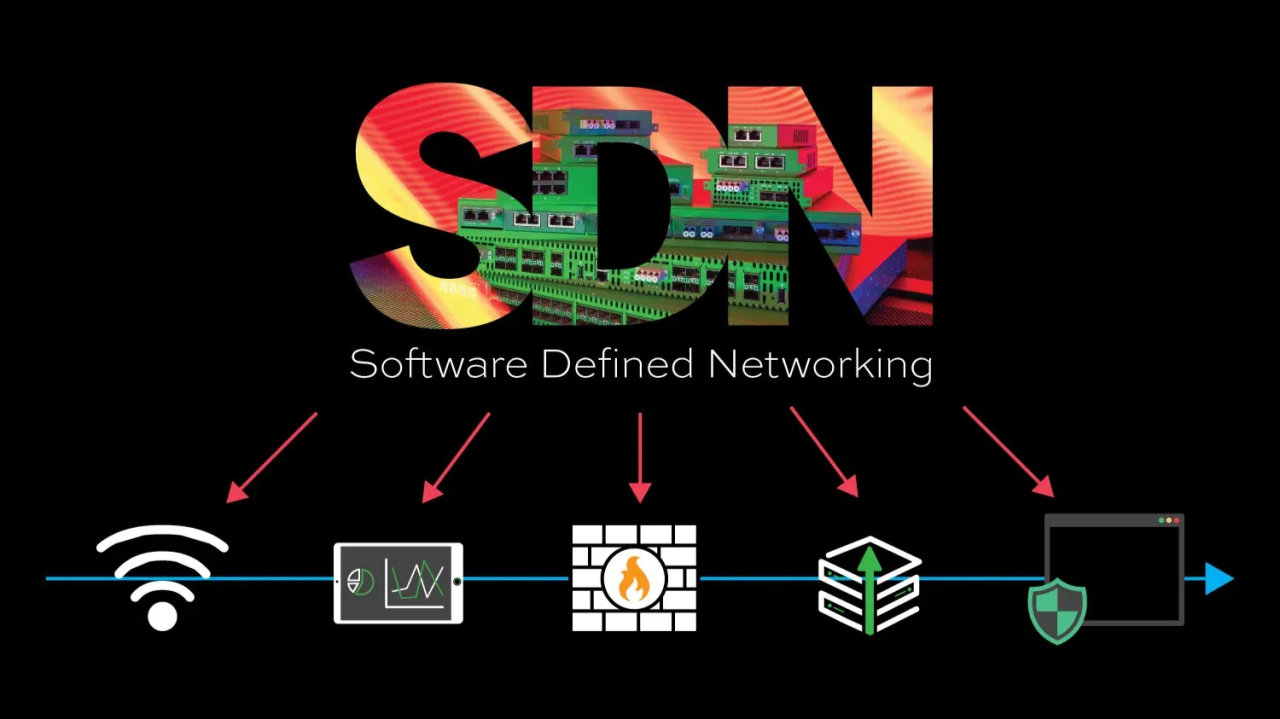
Modern enterprises are rapidly transforming their IT environments to support cloud computing, hybrid work models, artificial intelligence, IoT devices, and digital business applications. Traditional networking infrastructures often struggle to meet the growing demands for flexibility, scalability, and centralized control. As organizations continue to expand their digital operations, managing complex networks manually becomes increasingly difficult and time-consuming.
Software-Defined Networking (SDN) is emerging as a powerful solution that enables enterprises to simplify network management through software-driven automation and centralized control. By separating the network control layer from physical hardware, SDN allows organizations to manage their networks more intelligently and efficiently. Enterprises are increasingly adopting SDN to improve operational agility, strengthen security, reduce infrastructure complexity, and support modern digital transformation strategies.
Software-Defined Networking is a modern networking architecture that centralizes network intelligence and enables administrators to control network behavior using software-based controllers. Unlike traditional networking systems where each device is configured individually, SDN provides centralized visibility and programmable management across the entire infrastructure.
This approach allows enterprises to automate network operations, optimize traffic management, and respond quickly to changing business requirements. SDN also improves scalability by enabling organizations to deploy and manage network services dynamically without relying heavily on manual hardware configurations.
Enterprises are adopting SDN because modern business operations require highly flexible and scalable network infrastructures. The increasing use of cloud platforms, remote work environments, real-time applications, and connected devices has created new challenges for traditional networking systems.
SDN helps organizations improve operational efficiency by automating network provisioning, simplifying management, and enhancing visibility across distributed environments. Businesses can rapidly adapt to changing workloads and application demands while reducing downtime and improving user experience.
Key reasons enterprises are investing in SDN include:
As digital transformation accelerates across industries, SDN is becoming a foundational technology for modern enterprise infrastructure.
One of the biggest trends in SDN is the integration of Artificial Intelligence and machine learning technologies. AI-powered SDN platforms can analyze network traffic patterns, detect anomalies, predict potential failures, and optimize network performance automatically.
Instead of relying solely on manual intervention, intelligent SDN systems can dynamically adjust bandwidth allocation, reroute traffic during congestion, and identify security threats in real time. This level of automation significantly improves operational efficiency and reduces the burden on network administrators.
AI-driven SDN environments also support predictive maintenance by identifying infrastructure issues before they impact business operations. As enterprises continue adopting AI technologies, intelligent network automation is expected to become a core component of future networking strategies.
Software-Defined Wide Area Networking (SD-WAN) is one of the fastest-growing segments within the SDN ecosystem. Enterprises with multiple branch offices and remote employees are increasingly adopting SD-WAN solutions to improve connectivity, reduce WAN costs, and enhance cloud application performance.
Traditional WAN architectures often depend heavily on expensive MPLS circuits and rigid routing configurations. SD-WAN introduces greater flexibility by intelligently routing traffic across multiple network connections such as broadband, LTE, and MPLS based on real-time network conditions.
Benefits of SD-WAN adoption include:
As hybrid work environments continue to expand, SD-WAN is becoming essential for maintaining reliable and secure enterprise connectivity.
Cybersecurity remains one of the most important concerns for enterprise IT teams, and SDN is playing a major role in supporting Zero Trust security architectures. Zero Trust is based on the principle that no user or device should be automatically trusted, regardless of whether they are inside or outside the corporate network.
SDN enables centralized security policy enforcement, network segmentation, and dynamic access controls. Organizations can isolate sensitive workloads, monitor network traffic continuously, and respond to threats more effectively.
The combination of SDN and Zero Trust provides enterprises with greater visibility and control over their network environments. This integration is becoming increasingly important as cyber threats grow more sophisticated and distributed workforces continue to expand.
Modern enterprises are increasingly operating across multiple cloud providers and hybrid infrastructures. Managing connectivity between on-premises systems, private clouds, and public cloud platforms can be extremely complex without centralized networking solutions.
SDN simplifies multi-cloud networking by providing unified visibility and centralized policy management across distributed environments. Enterprises can optimize traffic flows, improve application performance, and ensure consistent security policies regardless of where workloads are deployed.
As cloud adoption continues to grow, SDN platforms are evolving to support seamless integration between different cloud ecosystems. This flexibility allows organizations to avoid vendor lock-in while maintaining better control over network operations.
Another major trend closely related to SDN is Network Function Virtualization (NFV). Traditionally, network services such as firewalls, routers, and load balancers required dedicated hardware appliances. NFV virtualizes these services, allowing them to run as software applications on standard servers.
This shift reduces hardware dependency and improves scalability while lowering infrastructure costs. Enterprises can deploy network services faster and scale resources based on business requirements without investing heavily in physical appliances.
NFV also complements SDN by enabling more agile and software-driven network architectures. Together, these technologies are helping organizations modernize their IT infrastructures and improve operational efficiency.
Software-Defined Networking offers several advantages that make it highly attractive for modern enterprises. Centralized management simplifies network administration while automation reduces manual workloads and operational errors.
SDN also improves network agility by enabling faster deployment of services and dynamic traffic management. Organizations gain better visibility into network performance, allowing IT teams to troubleshoot issues more effectively and optimize resource utilization.
Some of the major benefits of SDN include:
These benefits are driving widespread SDN adoption across industries including healthcare, finance, manufacturing, retail, and telecommunications.
Despite its many advantages, SDN implementation can present several challenges for enterprises. One of the biggest obstacles is integrating SDN solutions with existing legacy infrastructure. Many organizations still rely on traditional networking hardware that may not fully support software-defined architectures.
Another challenge involves the need for specialized skills in network automation, software management, and security integration. IT teams often require additional training to manage SDN environments effectively.
Security is also an important consideration because the centralized SDN controller can become a critical target for cyberattacks if not properly secured. Enterprises must implement strong authentication, monitoring, and access control mechanisms to protect their SDN infrastructure.
The future of enterprise networking will increasingly rely on intelligent, automated, and software-driven infrastructures. Emerging technologies such as artificial intelligence, edge computing, 5G, and IoT are accelerating the need for more adaptive and scalable networking models.
Future SDN environments are expected to become more autonomous, allowing networks to self-monitor, self-optimize, and self-heal with minimal human intervention. AI-powered analytics and automation will further improve network performance, security, and operational efficiency.
As enterprises continue their digital transformation journeys, SDN will play a critical role in enabling agile business operations, supporting cloud-native applications, and strengthening cybersecurity frameworks.
Software-Defined Networking is transforming enterprise networking by introducing centralized management, intelligent automation, improved scalability, and enhanced security capabilities. As businesses adopt cloud computing, remote work environments, AI technologies, and digital transformation initiatives, traditional networking approaches are becoming increasingly insufficient.
SDN enables organizations to simplify network operations, reduce infrastructure complexity, optimize performance, and improve security through software-driven control and automation. Trends such as AI-driven networking, SD-WAN, Zero Trust integration, NFV, and multi-cloud connectivity are further accelerating enterprise SDN adoption.
Although implementation challenges such as legacy integration, skill gaps, and security considerations remain important, the long-term benefits of SDN make it a critical technology for future-ready enterprises. Organizations that embrace SDN today will be better positioned to build resilient, scalable, and intelligent network infrastructures capable of supporting evolving business demands and emerging technologies.