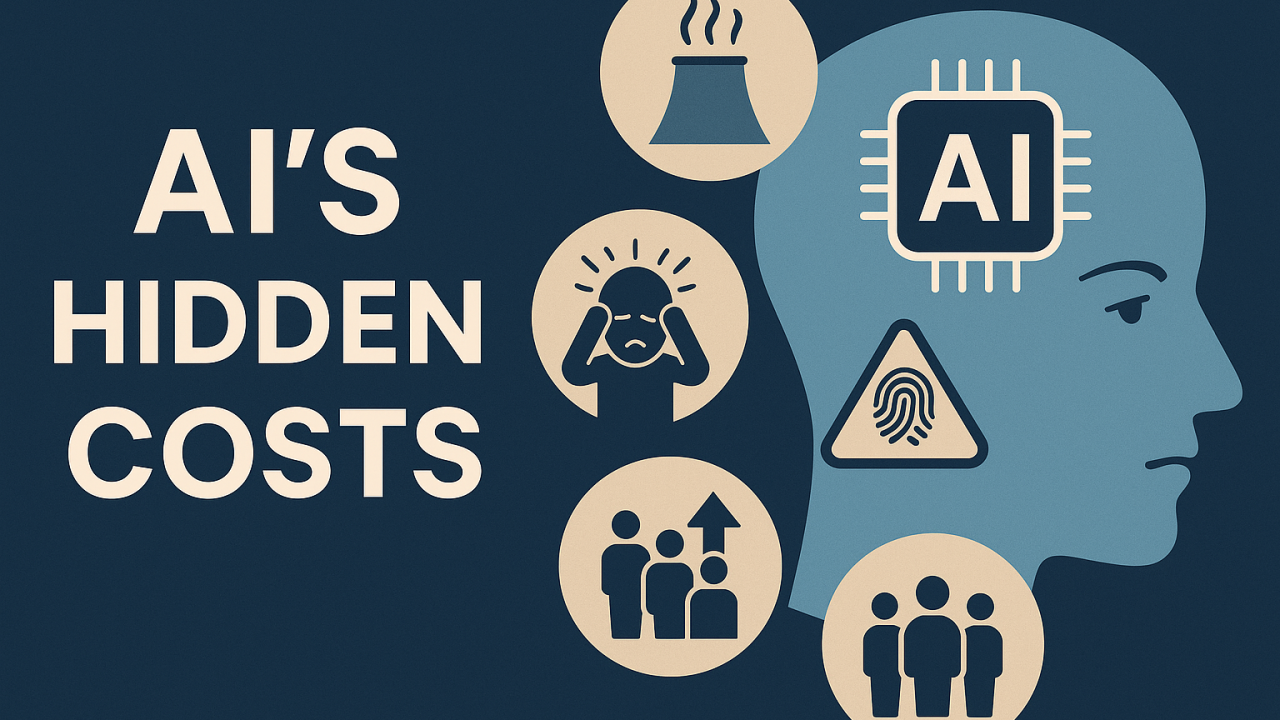
The Hidden Costs of AI Implementation in SMEs
Initial Investment Goes Beyond Software –
When SMEs decide to implement AI, the first assumption is often that the main expense will be purchasing software or subscribing to a platform. In reality, the initial investment is much broader and more complex. Businesses frequently need to upgrade their infrastructure, adopt cloud computing services, and integrate APIs to support AI functionality. Even seemingly simple AI tools require customization to align with existing workflows, which adds to development costs. As a result, what appears to be a straightforward investment can quickly expand into a significant financial commitment.
Data Preparation Is a Major Expense –
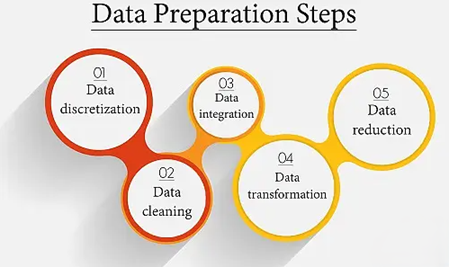
AI systems depend heavily on high-quality data, but most SMEs are not equipped with clean and structured datasets. Before AI can deliver value, organizations must invest time and resources into collecting, cleaning, and organizing their data. This process often reveals gaps such as missing, inconsistent, or outdated information.
In many cases, companies need to generate or acquire additional data, which further increases costs. Data preparation is not just a technical step—it is a foundational requirement that can consume a large portion of the AI budget.
Talent Acquisition and Skill Gaps –
Implementing AI is not a one-time task; it requires specialized expertise to ensure success. SMEs often face challenges in hiring skilled professionals such as data scientists, machine learning engineers, or AI consultants. These roles come at a high cost and are in strong demand across industries. Additionally, existing employees need training to effectively work with AI systems, which adds to both time and financial investment. Without the right talent, even the most advanced AI tools may fail to deliver expected outcomes.
Integration with Legacy Systems –
Many SMEs rely on legacy systems that were not designed to support modern AI technologies. Integrating AI into these systems can be complex and costly. Businesses may encounter compatibility issues, disrupted workflows, and extended testing cycles. In some cases, partial or complete system upgrades become necessary, leading to unexpected expenses. This integration challenge often slows down implementation and increases the overall cost of adoption.
Ongoing Maintenance and Monitoring –
AI implementation does not end with deployment; it requires continuous maintenance and monitoring. Models need to be updated and retrained regularly to remain accurate and relevant. Performance must be tracked, and adjustments must be made to handle changing data patterns. These ongoing activities demand both technical expertise and financial resources. Without proper maintenance, AI systems can become ineffective, leading to poor decision-making and reduced business value.
Risks of Errors and Bias –
AI systems are only as reliable as the data they are trained on. If the data contains errors or biases, the AI will reflect and even amplify those issues. This can result in inaccurate predictions, flawed insights, and unfair outcomes. Correcting such problems can be costly and time-consuming. Moreover, errors in AI-driven decisions can damage customer trust and brand reputation, which may have long-term consequences beyond immediate financial losses.
Compliance and Data Privacy Costs –
With increasing regulations around data protection, SMEs must ensure that their AI systems comply with legal requirements. This involves implementing security measures, conducting audits, and sometimes seeking legal consultation. Compliance is not optional, and failure to meet regulatory standards can result in penalties or legal complications. These additional responsibilities introduce hidden costs that businesses must factor into their AI strategy.
Change Management and Employee Adaptation –
Introducing AI often changes how employees perform their tasks, which can lead to resistance or uncertainty. Employees may need time to adapt to new systems, and productivity can temporarily decline during the transition period. To address this, businesses must invest in training, communication, and change management strategies. These efforts are essential for successful adoption but are often underestimated when planning AI implementation.
Vendor Dependency and Lock-In –
Many SMEs rely on third-party AI vendors for tools and solutions. While this approach reduces initial complexity, it can create long-term dependency. Over time, subscription costs may increase, and switching providers can become difficult due to compatibility issues. This vendor lock-in limits flexibility and can lead to higher expenses in the future, making it an important hidden cost to consider.
Uncertain ROI and Long-Term Commitment –
One of the most challenging aspects of AI implementation is measuring return on investment. Unlike traditional technologies, AI often requires a longer time to show tangible results. Businesses may go through multiple testing and optimization phases before achieving meaningful outcomes. This uncertainty can strain financial resources, especially for SMEs with limited budgets. A long-term perspective is essential, but it also means committing to sustained investment without immediate returns.
Conclusion –
AI offers significant opportunities for SMEs, but its implementation comes with a range of hidden costs that cannot be ignored. From data preparation and talent acquisition to compliance and ongoing maintenance, these factors can significantly impact the overall investment. By understanding and planning for these challenges, SMEs can adopt AI more strategically, minimize risks, and achieve sustainable growth in the long run.