Physical Address
304 North Cardinal St.
Dorchester Center, MA 02124
Physical Address
304 North Cardinal St.
Dorchester Center, MA 02124
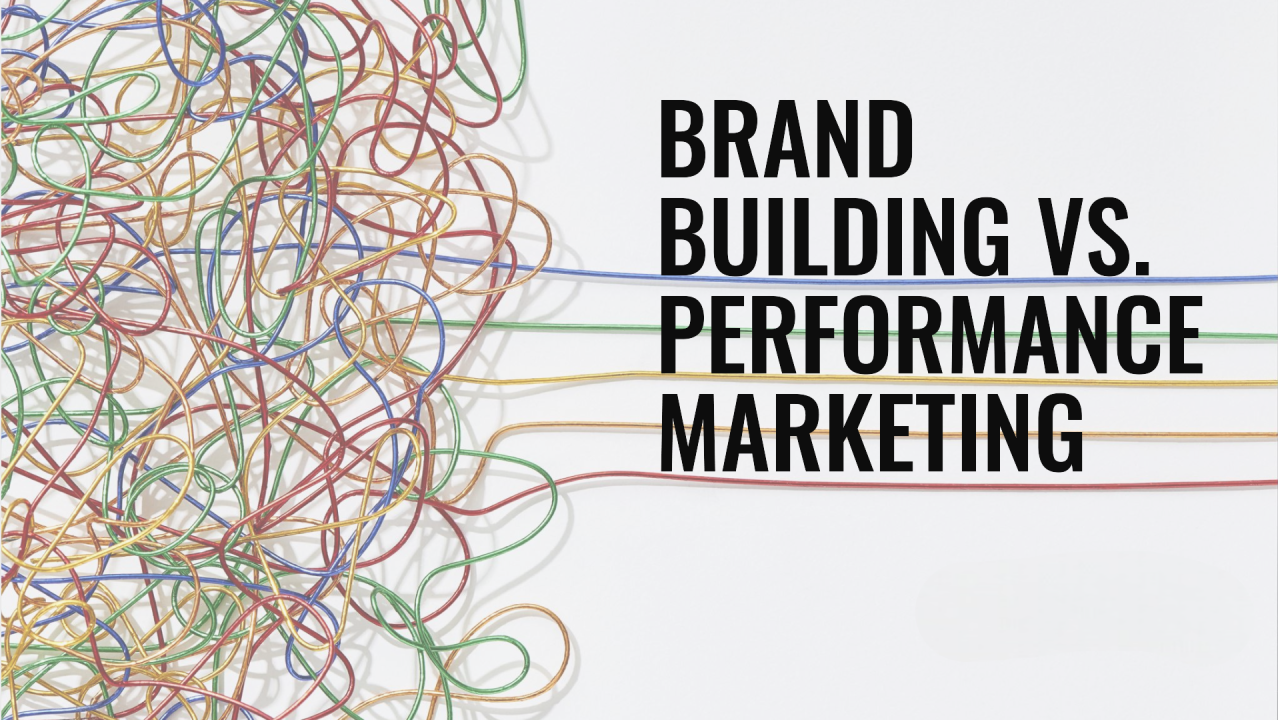
Marketing today is broadly divided into two major strategies: brand building and performance marketing. Brand building focuses on long-term perception, trust, and emotional connection with customers. It is about making people remember and prefer a brand even before they are ready to buy. Performance marketing, on the other hand, is highly measurable and conversion-focused. It includes campaigns designed to generate immediate actions like clicks, leads, or sales. Businesses often struggle to balance the two because they serve different time horizons. Brand building is slow but durable, while performance marketing is fast but often short-lived. Companies like Google and Meta heavily influence both approaches through digital advertising platforms. Understanding their differences is essential before deciding where to invest. Both strategies are necessary, but their roles are not interchangeable. The real challenge lies in allocating resources effectively.
Brand building is about creating a strong identity in the minds of consumers. It includes storytelling, consistent messaging, visual identity, and emotional positioning. Strong brands often outperform competitors even when their products are similar. Over time, brand equity reduces customer acquisition costs and increases loyalty. For example, people are more likely to trust familiar names even without comparing alternatives. Brand building also helps during market uncertainty because trusted brands retain customers better. However, its impact is difficult to measure in the short term. Unlike performance campaigns, results do not appear instantly in dashboards. This often leads businesses to underestimate its importance. But in reality, it shapes long-term business survival and pricing power. Without brand strength, companies often struggle in competitive markets.
Performance marketing is highly data-driven and focused on measurable outcomes. It includes channels like paid search, social media ads, and affiliate marketing. Businesses only pay for specific actions such as clicks, installs, or purchases. This makes it attractive for companies looking for quick returns. Campaigns can be optimized in real time using analytics and conversion tracking. Platforms like Google Ads allow precise audience targeting and performance measurement. However, performance marketing often faces diminishing returns over time. Once budgets stop, traffic and conversions can drop quickly. It also becomes more expensive as competition increases. While it drives immediate growth, it does not always build long-term loyalty. Over-reliance on it can make a business vulnerable.
The biggest debate in marketing strategy is how to balance short-term performance with long-term brand value. Many startups prioritize performance marketing because they need quick revenue. However, this can lead to dependency on paid channels. Established companies often invest more in brand building to sustain long-term growth. Research in marketing shows that brands combining both approaches tend to perform better over time. Over-investing in performance marketing can weaken brand perception, while over-investing in branding can slow immediate growth. The ideal balance depends on business stage and industry. For example, new companies may lean toward performance marketing initially, while mature brands shift toward branding. Customer acquisition costs and lifetime value are key metrics in this decision. A balanced strategy ensures stability and scalability. The tension between these two approaches is ongoing in modern marketing.
There is no universal formula for how much to invest in brand building versus performance marketing. A common industry approach is to allocate budgets based on business maturity and goals. Early-stage companies may invest heavily in performance marketing to generate traction. As they grow, shifting toward brand building becomes essential for sustainability. In highly competitive industries, brand differentiation becomes even more important. Companies like Apple demonstrate the power of strong branding combined with selective performance marketing. Data analytics plays a crucial role in continuously adjusting this balance. Market conditions, customer behavior, and product lifecycle all influence decisions. Businesses must regularly evaluate ROI from both approaches. Flexibility is key rather than rigid budgeting. The most successful companies treat both strategies as complementary, not competing forces.
Brand building and performance marketing are not opposing strategies but interconnected components of a successful marketing system. Performance marketing drives immediate growth, while brand building ensures long-term stability and trust. Businesses that rely too heavily on one often face limitations in either scalability or sustainability. The most effective strategy is a balanced approach that evolves with the company’s growth stage and market conditions. In a competitive digital landscape, success depends not just on attracting customers, but on keeping them loyal over time. Investing wisely in both areas is the key to sustainable business growth.