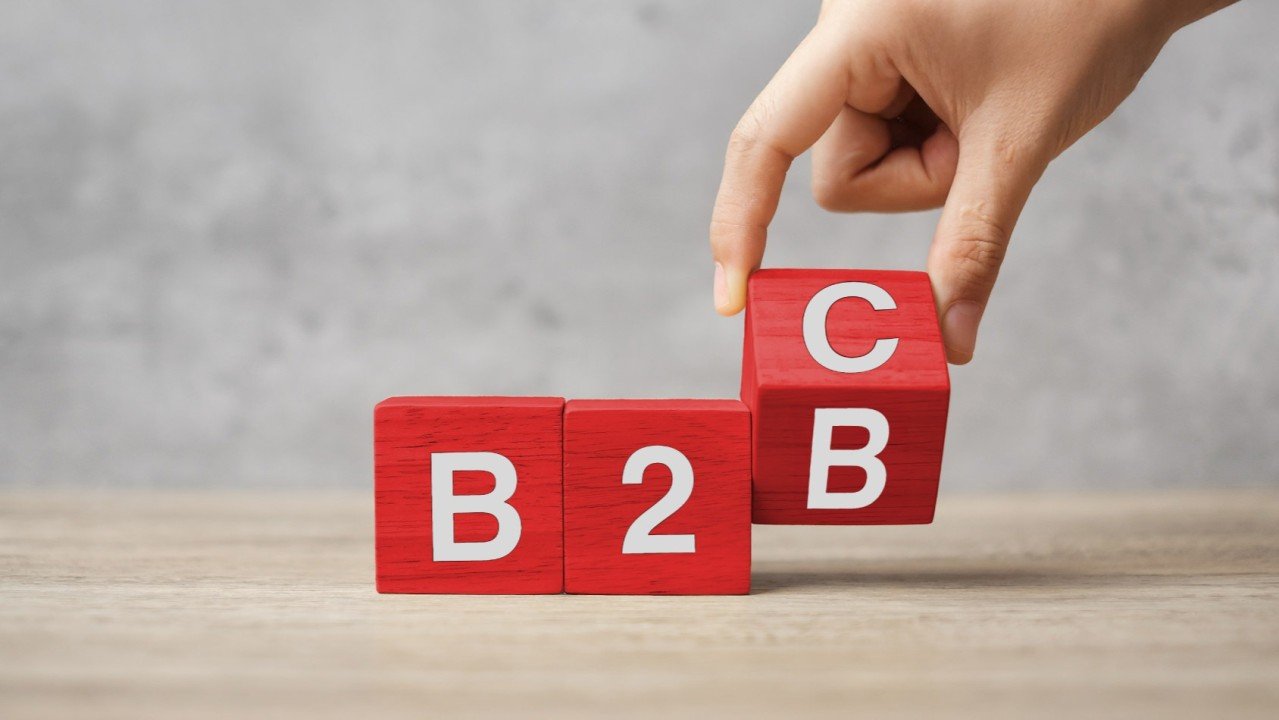
Is B2B Sales Becoming B2C? The Blurring Line in Customer Experience
Introduction –
The traditional distinction between B2B and B2C sales is rapidly fading. For years, B2B transactions were considered more formal, complex, and logic-driven, while B2C focused on convenience, speed, and emotional engagement. However, modern buyers—regardless of whether they represent a business or an individual—now expect seamless, personalized, and intuitive experiences. As a result, B2B sales strategies are increasingly adopting B2C-like approaches, blurring the lines between the two models.
The Traditional Differences Between B2B and B2C –
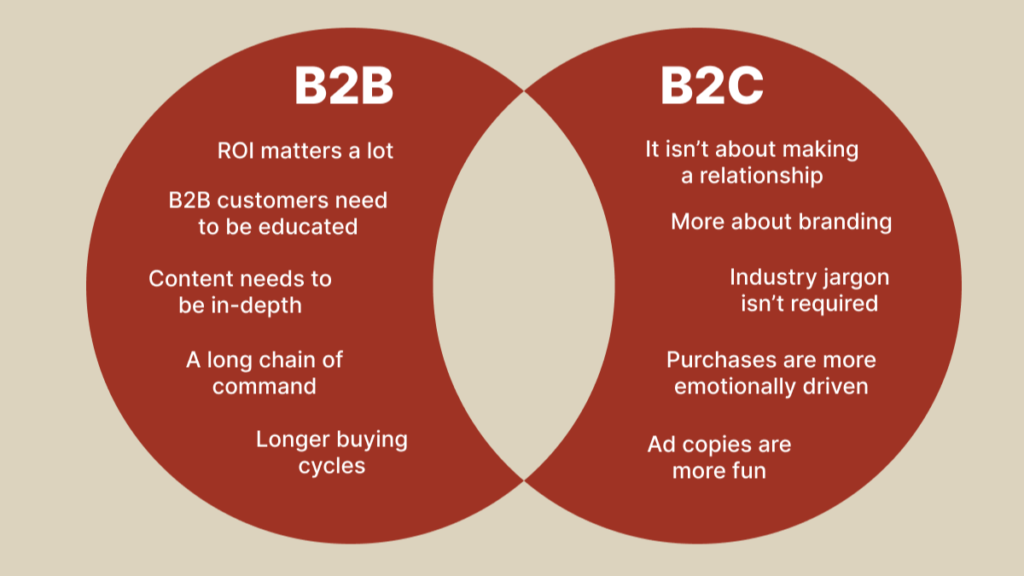
Historically, B2B sales involved longer sales cycles, multiple decision-makers, and highly customized solutions. The focus was on building relationships, negotiating contracts, and demonstrating ROI. On the other hand, B2C sales emphasized quick decisions, mass marketing, and emotional appeal. Customer experience in B2C was designed to be simple, fast, and engaging, often driven by branding and user convenience. These differences created a clear separation between how businesses approached each segment.
Why the Lines Are Blurring –
The shift toward digital transformation has fundamentally changed buyer behavior. Today’s B2B buyers are also consumers in their personal lives, accustomed to the ease of online shopping, instant access to information, and personalized recommendations. They expect the same level of convenience and responsiveness when interacting with B2B vendors. Additionally, the rise of self-service platforms, e-commerce capabilities, and AI-driven personalization has made it possible for B2B companies to deliver experiences similar to B2C environments.
The Rise of Customer-Centric B2B Experiences –
Modern B2B sales is no longer just about closing deals; it is about delivering exceptional customer experiences at every touchpoint. Companies are investing in user-friendly websites, personalized content, and responsive customer support to meet evolving expectations. The focus has shifted from product-centric selling to customer-centric engagement. This includes understanding customer needs, anticipating challenges, and providing solutions in a proactive and intuitive manner.
Key Elements Driving B2C-Like B2B Sales –
- Personalization: Businesses use data and analytics to tailor messaging, recommendations, and interactions based on individual customer preferences and behavior.
- Speed and Convenience: Buyers expect quick responses, easy navigation, and streamlined processes that save time and effort.
- Transparency: Clear pricing, detailed product information, and honest communication help reduce friction and build trust during the decision-making process.
- Omnichannel Engagement: Customers can interact with brands seamlessly across multiple platforms such as websites, email, social media, and chat, ensuring a consistent experience.
B2B vs. B2C Sales Experience Comparison –
| Aspect | Traditional B2B Sales | Modern B2B (B2C-Like) | B2C Sales |
| Decision Process | Long and complex | Simplified and guided | Quick and individual |
| Personalization | Limited | Highly personalized | Highly personalized |
| Customer Journey | Linear | Omnichannel and flexible | Omnichannel and seamless |
| Buyer Expectations | Rational and ROI-driven | Experience + value-driven | Convenience and experience-driven |
| Interaction Style | Formal and structured | Conversational and engaging | Informal and engaging |
| Technology Use | Basic CRM tools | AI, automation, analytics | Advanced digital platforms |
Benefits of a B2C-Like Approach in B2B –
Adopting B2C-style experiences in B2B offers multiple advantages. It enhances customer satisfaction by making interactions smoother and more intuitive. It also increases engagement, as personalized and relevant communication resonates more with buyers. Businesses can shorten sales cycles by reducing friction and providing clear, accessible information. Furthermore, improved customer experience leads to stronger relationships, higher retention rates, and increased lifetime value.
Challenges in Adapting B2C Strategies to B2B –
Despite the benefits, implementing B2C-like strategies in B2B is not without challenges. B2B transactions often involve higher stakes, larger budgets, and multiple stakeholders, making it difficult to fully replicate the simplicity of B2C. Data integration across systems can be complex, and maintaining personalization at scale requires significant investment in technology and expertise. Additionally, businesses must ensure that the focus on experience does not overshadow the importance of delivering measurable value and ROI.
The Role of Technology in Bridging the Gap –
Technology plays a critical role in enabling this transformation. Customer data platforms, marketing automation tools, and AI-powered analytics help businesses understand customer behavior and deliver personalized experiences. Chatbots, recommendation engines, and self-service portals enhance accessibility and convenience. These technologies allow B2B companies to create a more dynamic and responsive customer journey, similar to what consumers experience in B2C environments.
The Future of B2B Customer Experience –
The convergence of B2B and B2C sales is expected to continue as customer expectations evolve. Future B2B interactions will likely be even more personalized, data-driven, and experience-focused. Companies that prioritize customer experience will gain a competitive edge, while those that rely on traditional methods may struggle to keep up. The emphasis will be on creating value not just through products and services, but through meaningful and engaging interactions.
Conclusion –
The line between B2B and B2C sales is becoming increasingly blurred, driven by changing buyer expectations and technological advancements. B2B companies are recognizing the importance of delivering experiences that are as seamless, personalized, and engaging as those in the B2C world. While challenges remain, the shift toward a customer-centric approach is reshaping the future of B2B sales. Businesses that embrace this evolution will be better equipped to build strong relationships, drive growth, and stay competitive in a rapidly changing market.