Physical Address
304 North Cardinal St.
Dorchester Center, MA 02124
Physical Address
304 North Cardinal St.
Dorchester Center, MA 02124

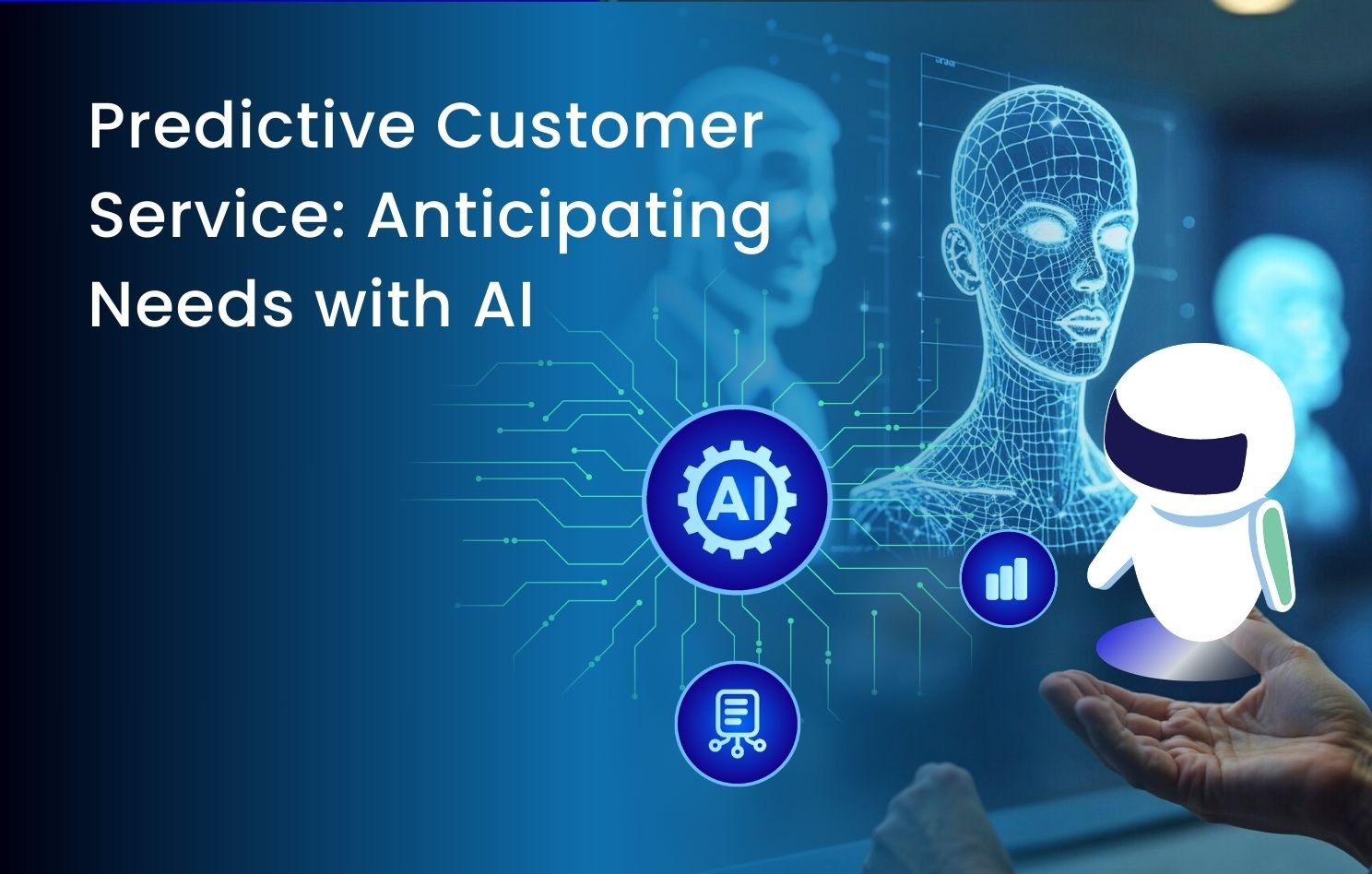
Marketing has shifted from reacting to customer behavior to predicting it in advance. With the rise of Artificial Intelligence, businesses are now able to analyze massive amounts of customer data and forecast future actions. This approach is known as predictive marketing, where companies anticipate what customers want before they explicitly express it. Instead of relying only on past interactions, marketers use data patterns, behavior signals, and machine learning models to understand intent. This transformation is helping businesses move from broad campaigns to highly personalized experiences. Predictive marketing is becoming essential in competitive industries where customer attention is limited and expectations are high.
Key Points:
Customer intent refers to the likelihood that a person will take a specific action, such as purchasing a product or subscribing to a service. Predictive marketing uses AI systems to interpret digital signals like search behavior, website visits, click patterns, and purchase history. These signals are processed to identify patterns that indicate buying intent. For example, a user repeatedly visiting pricing pages may be closer to making a purchase decision. Businesses also combine demographic data with behavioral insights for more accurate predictions. This helps marketers segment audiences more effectively and target them with relevant messages.
Key Points:
Predictive marketing relies heavily on machine learning models that continuously learn from data. These models identify patterns that humans may not easily detect. AI systems can predict outcomes such as customer churn, purchase probability, or product interest. Platforms used in enterprise environments, such as CRM systems and marketing automation tools, integrate predictive algorithms to guide decision-making. Over time, these models improve as they process more data, making predictions more accurate. Businesses can also use real-time analytics to adjust campaigns instantly based on user behavior.
Key Points:
Predictive marketing offers significant advantages for businesses across industries. One of the biggest benefits is increased conversion rates, as customers receive highly relevant offers. It also improves customer retention by identifying at-risk users and engaging them proactively. Companies can optimize marketing budgets by focusing only on high-intent audiences. Additionally, predictive insights help in product development by revealing what customers are likely to need in the future. Businesses using AI-driven strategies often gain a competitive edge because they can respond faster to market changes.
Key Points:
Despite its advantages, predictive marketing comes with challenges. Data privacy is a major concern, especially with regulations governing customer information usage. Businesses must ensure transparency in how data is collected and used. Another challenge is data quality—poor or incomplete data can lead to inaccurate predictions. Over-reliance on AI models can also reduce human creativity in marketing strategies. Additionally, there is a risk of customers feeling “over-targeted” or monitored, which can negatively impact trust. Companies must strike a balance between personalization and privacy. Ethical use of AI is critical for long-term sustainability in predictive marketing.
Key Points:
Predictive marketing represents a major shift in how businesses understand and engage with customers. By using Artificial Intelligence, companies can analyze behavior patterns and accurately predict customer intent. This allows marketers to move beyond guesswork and deliver highly personalized experiences. While challenges such as privacy and data accuracy remain, the benefits of predictive marketing are too significant to ignore. Businesses that adopt these technologies can improve conversions, reduce costs, and build stronger customer relationships. In the future, predictive marketing will become a standard practice, shaping how brands interact with consumers in an increasingly data-driven world.