Physical Address
304 North Cardinal St.
Dorchester Center, MA 02124
Physical Address
304 North Cardinal St.
Dorchester Center, MA 02124

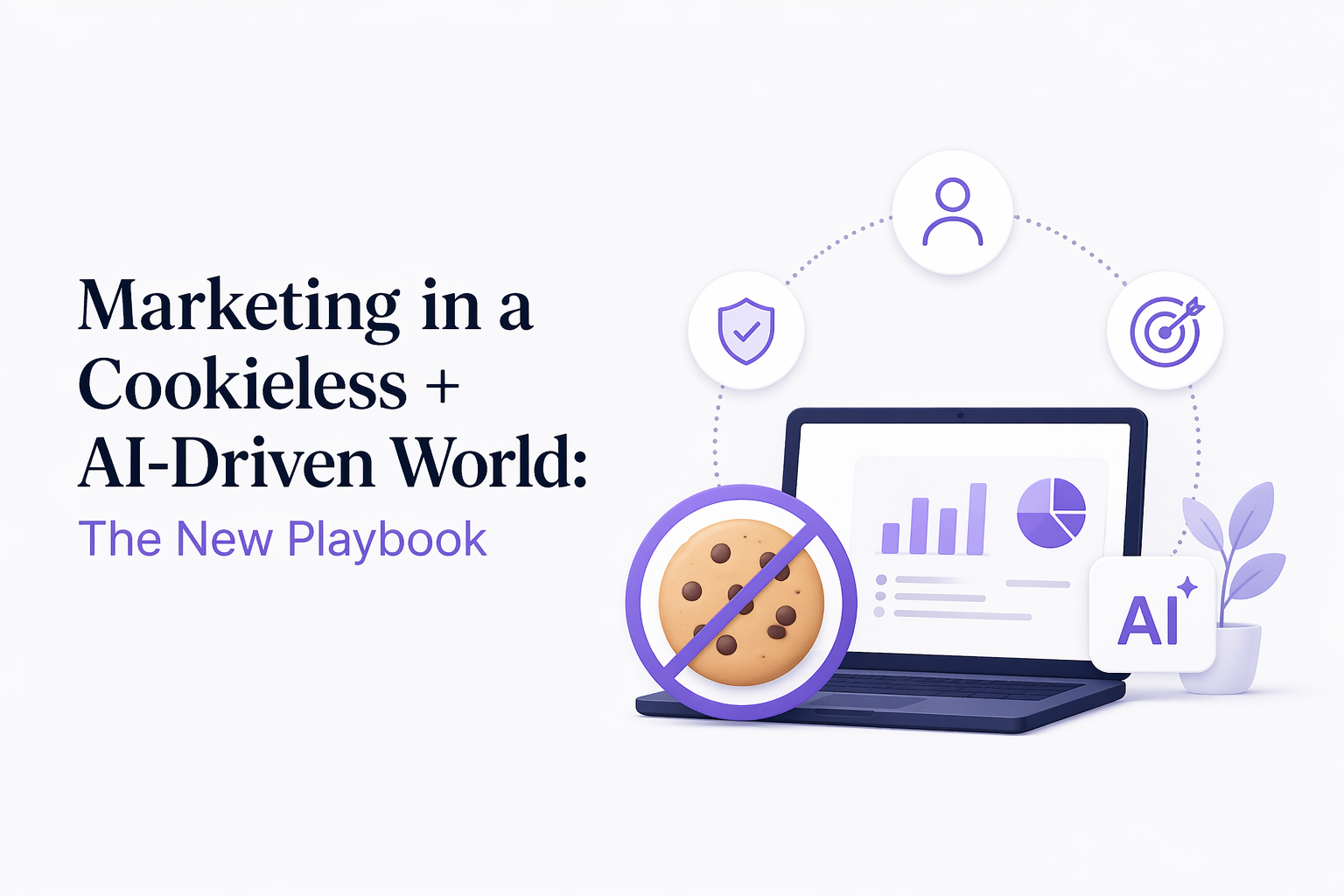
The marketing landscape is undergoing a fundamental transformation. With the decline of third-party cookies and the rapid rise of artificial intelligence, traditional methods of targeting and personalization are becoming obsolete. Marketers are now required to rethink their strategies, focusing on privacy-first approaches while leveraging AI to deliver smarter, more meaningful customer experiences. This shift is not just a technical adjustment—it’s a complete redefinition of how brands connect with their audiences.
For years, third-party cookies have been the backbone of digital advertising, enabling marketers to track users across websites and deliver highly targeted ads. However, increasing concerns over data privacy and regulatory changes have led to their gradual phase-out. Browsers and tech platforms are moving toward stricter privacy controls, forcing marketers to rely less on intrusive tracking and more on transparent, user-consented data collection.
This transition marks a significant turning point. Instead of following users around the internet, brands must now find ways to attract and engage them through trust, value, and relevance.
In a cookieless world, first-party and zero-party data have become essential assets. First-party data is collected directly from user interactions—such as website visits, purchases, and email subscriptions—while zero-party data is voluntarily shared by users, like preferences and interests.
These data types are not only more reliable but also align with privacy regulations. By investing in strong data collection strategies—such as interactive content, surveys, and gated resources—brands can build a rich, consent-based data ecosystem that fuels personalization without compromising user trust.

Artificial intelligence is transforming how marketers analyze data, predict behavior, and automate decision-making. In the absence of third-party cookies, AI plays a critical role in identifying patterns and generating insights from limited but high-quality data.
Machine learning models can segment audiences, recommend content, optimize campaigns, and even generate personalized messaging in real time. AI-driven tools enable marketers to move from reactive strategies to predictive and proactive engagement, improving both efficiency and effectiveness.
As behavioral tracking declines, contextual targeting is regaining importance. This approach focuses on placing content or ads based on the context of the webpage rather than user history. For example, a fitness brand might appear on a health blog instead of targeting users based on past browsing behavior.
With advancements in AI, contextual targeting has become more sophisticated, allowing for better content understanding and relevance. This method not only respects user privacy but also ensures that marketing messages align naturally with user intent.
One of the biggest challenges in a cookieless world is maintaining personalization without overstepping privacy boundaries. AI helps bridge this gap by using anonymized and aggregated data to deliver tailored experiences.
Dynamic content, recommendation engines, and predictive analytics allow brands to personalize interactions without relying on invasive tracking. The focus shifts from “knowing everything about the user” to “understanding what the user needs in the moment.”
In today’s environment, customer journeys are more fragmented than ever. Users interact with brands across multiple touchpoints—websites, mobile apps, social media, and email. Without cookies to unify these interactions, marketers must adopt omnichannel strategies that create seamless experiences.
AI-powered customer data platforms (CDPs) can integrate data from various sources, providing a unified view of the customer. This enables consistent messaging and smoother transitions across channels, enhancing overall customer experience.
Trust is becoming a key differentiator in modern marketing. Consumers are more aware of how their data is used and expect brands to be transparent about their practices. Clear privacy policies, consent mechanisms, and ethical data usage are no longer optional—they are essential.
Brands that prioritize transparency and give users control over their data will not only comply with regulations but also build stronger, long-term relationships.
AI-driven automation is helping marketers do more with less. From content creation and email marketing to campaign optimization and customer support, automation reduces manual effort and increases scalability.
However, automation should not replace human creativity. The most successful strategies combine AI efficiency with human insight, ensuring that marketing remains authentic and emotionally resonant.
Marketing in a cookieless and AI-driven world demands a new playbook—one that prioritizes privacy, trust, and intelligent use of data. As third-party cookies fade away, brands must shift toward first-party relationships, contextual engagement, and AI-powered insights. This evolution is not a limitation but an opportunity to create more meaningful, ethical, and effective marketing strategies.
By embracing transparency, investing in data quality, and leveraging AI responsibly, businesses can navigate this new landscape with confidence. The future of marketing belongs to those who can balance technology with human connection, delivering value while respecting the boundaries of user privacy.