Introduction to Marketing Automation
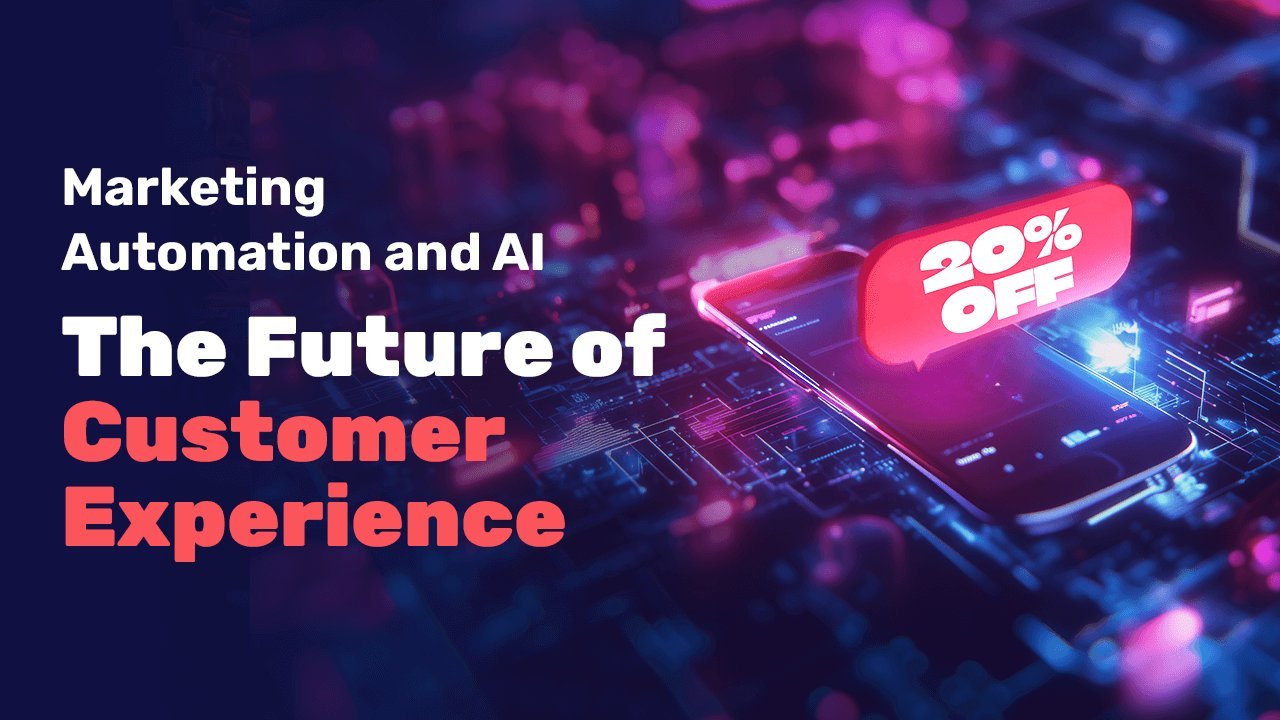
In today’s digital world, businesses are constantly searching for smarter ways to connect with customers and improve engagement. As competition increases across industries, manually managing marketing campaigns is becoming difficult and time-consuming. This is where marketing automation is transforming modern business strategies. Marketing automation refers to the use of software and technology to automate repetitive marketing activities such as emails, social media posting, customer follow-ups, lead nurturing, and campaign management. Instead of handling every customer interaction manually, companies can now use intelligent systems to communicate with audiences at the right time with personalized experiences. In 2026, businesses of all sizes are investing heavily in automation tools to improve customer relationships, increase sales, and save operational costs. Marketing automation not only improves efficiency but also helps organizations deliver more relevant and engaging content to customers. As digital communication channels continue to grow, automation is becoming an essential part of customer engagement strategies worldwide.
Key Highlights
- Automates repetitive marketing tasks
- Improves customer communication
- Saves time and operational costs
- Increases marketing efficiency
- Enhances customer experience
Why Businesses Are Adopting Marketing Automation
Modern consumers expect fast, personalized, and consistent communication from brands. Customers interact with businesses through websites, emails, mobile apps, and social media platforms every day. Managing all these interactions manually can become overwhelming for marketing teams. Marketing automation helps businesses streamline communication by automatically sending personalized messages based on customer behavior and preferences. For example, when a customer visits a website, downloads a product guide, or abandons a shopping cart, automation systems can instantly trigger follow-up emails or promotional offers. Businesses are also using automation to manage large-scale campaigns more efficiently while reducing human error. In addition, companies can collect and analyze customer data in real time, allowing them to create targeted marketing strategies. As competition in digital markets grows rapidly, organizations are adopting marketing automation to improve customer satisfaction, increase conversion rates, and maintain stronger relationships with audiences across multiple channels.
Main Reasons for Adoption
- Personalized customer communication
- Faster response times
- Better lead management
- Improved campaign performance
- Real-time customer insights
How Marketing Automation Works
Marketing automation platforms use customer data, analytics, and artificial intelligence to automate communication and engagement processes. These systems track customer activities such as website visits, email clicks, purchases, and social media interactions. Based on predefined workflows and behavioral triggers, automation tools send relevant messages or perform specific actions automatically. For example, if a customer subscribes to a newsletter, the system may send a welcome email series introducing the company’s services. Similarly, e-commerce businesses can automatically recommend products based on customer browsing history or previous purchases. Marketing teams can also schedule social media posts, automate customer segmentation, and track campaign performance through centralized dashboards. Advanced automation platforms now integrate with customer relationship management (CRM) systems to improve lead tracking and customer lifecycle management. Artificial intelligence is also playing a growing role by helping businesses predict customer behavior and optimize campaigns for better engagement and higher conversion rates.
Core Features of Marketing Automation
- Automated email campaigns
- Customer behavior tracking
- AI-powered personalization
- CRM integration
- Campaign performance analytics
Benefits of Marketing Automation for Customer Engagement
Marketing automation provides several advantages that help businesses strengthen customer relationships and improve engagement. One of the biggest benefits is personalization, as automation allows brands to deliver customized content based on customer interests and behavior. Personalized communication increases customer trust and encourages stronger brand loyalty. Automation also improves response speed, ensuring customers receive timely information and support. Businesses can nurture leads more effectively by automatically guiding potential customers through the sales funnel with targeted content and follow-ups. Another major advantage is increased productivity because marketing teams spend less time on repetitive tasks and more time focusing on strategy and creativity. Marketing automation also improves campaign accuracy by reducing manual errors and ensuring consistent communication across channels. Furthermore, companies can analyze customer engagement data to understand audience preferences and optimize future campaigns. In highly competitive markets, automation helps businesses deliver seamless and engaging customer experiences that improve retention and long-term growth.
Major Benefits
- Better customer personalization
- Higher engagement rates
- Increased productivity
- Improved lead conversion
- Stronger customer loyalty
The Future of Marketing Automation and Conclusion
The future of marketing automation is closely connected with advancements in artificial intelligence, machine learning, and predictive analytics. In the coming years, automation platforms will become even more intelligent and capable of delivering highly personalized customer experiences in real time. AI-powered systems will analyze customer behavior patterns, predict future actions, and recommend the most effective marketing strategies automatically. Voice assistants, chatbots, and conversational AI will also become important parts of automated customer engagement systems. Businesses will increasingly rely on omnichannel automation to deliver consistent communication across websites, social media, email, mobile applications, and virtual platforms. As customer expectations continue to rise, companies that fail to modernize their marketing strategies may struggle to remain competitive. Marketing automation is no longer just a productivity tool; it has become a strategic technology that drives customer satisfaction, business growth, and digital transformation. Organizations investing in automation today are building stronger customer relationships and preparing for the future of digital marketing.
Conclusion
Marketing automation is revolutionizing the way businesses engage with customers in 2026. By combining technology, data analytics, and AI-driven personalization, companies can improve communication, increase efficiency, and deliver better customer experiences. As digital competition grows rapidly, marketing automation is becoming essential for businesses that want to strengthen customer relationships and achieve long-term success.