Introduction: The Shift Toward AI-Driven B2B Sales –
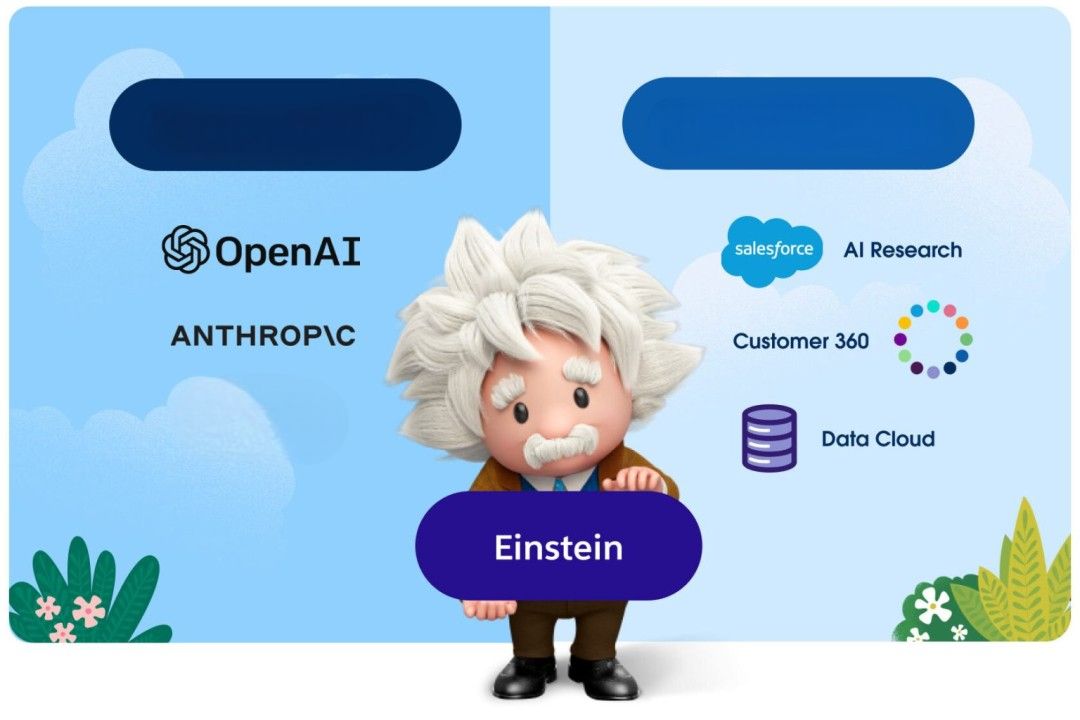
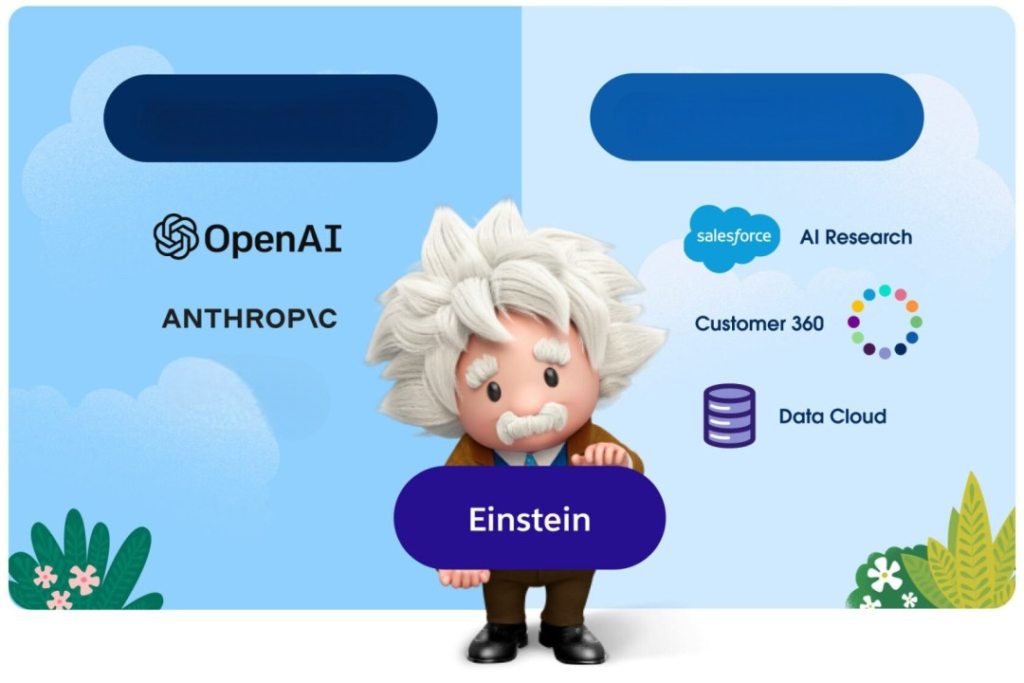
The B2B sales landscape has undergone a massive transformation with the integration of Artificial Intelligence into everyday business processes. Traditional sales methods relied heavily on manual research, cold outreach, and intuition-based decision-making. However, modern enterprises are now leveraging AI tools to streamline operations and improve efficiency. Platforms like Salesforce Einstein are enabling companies to analyze vast amounts of customer data in real time. This shift is helping sales teams focus more on strategy and relationship building rather than repetitive tasks. AI is not just enhancing productivity—it is redefining how businesses approach sales pipelines. As competition increases, companies adopting AI are gaining a clear advantage in identifying and converting leads.
Key Points:
- AI is replacing manual and intuition-based sales processes
- Real-time data analysis improves decision-making
- Sales teams can focus on high-value activities
Predictive Analytics: Smarter Lead Generation and Scoring –
One of the most powerful features of AI in B2B sales is predictive analytics. Tools like Salesforce Einstein use machine learning algorithms to evaluate customer behavior, past interactions, and buying patterns. This allows businesses to identify which leads are most likely to convert into paying customers. Instead of wasting time on low-quality prospects, sales teams can prioritize high-value opportunities. Predictive lead scoring improves efficiency and increases conversion rates significantly. AI can also suggest the best time and method to approach a potential client. This data-driven approach reduces guesswork and enhances accuracy in sales forecasting. As a result, companies can allocate resources more effectively and maximize ROI.
Key Points:
- Predictive analytics identifies high-quality leads
- Lead scoring improves conversion rates
- AI reduces reliance on guesswork
Automation: Streamlining Sales Processes –
Automation is another critical way AI is transforming B2B sales pipelines. Repetitive tasks such as data entry, follow-up emails, and meeting scheduling can now be handled automatically. This reduces human error and saves valuable time for sales professionals. AI-powered systems can also track customer interactions and update CRM records in real time. Automation ensures that no lead is neglected and every opportunity is properly managed. Additionally, AI tools can trigger personalized communication based on customer behavior. This level of efficiency allows businesses to scale their sales operations without significantly increasing workforce size. Automation is not about replacing humans—it is about enhancing their capabilities.
Key Points:
- AI automates repetitive sales tasks
- Reduces errors and saves time
- Ensures consistent lead management
Personalization and Customer Insights –
In the B2B world, building strong relationships is essential, and AI plays a key role in personalization. By analyzing customer data, AI tools can provide deep insights into client preferences, needs, and behavior. This enables sales teams to tailor their communication and offerings accordingly. Personalized interactions increase engagement and build trust with potential clients. AI can also recommend products or services based on a customer’s past activity. This targeted approach improves customer experience and boosts sales success rates. Businesses can move from generic pitches to highly customized solutions. Ultimately, AI helps create more meaningful and effective client relationships.
Key Points:
- AI enables personalized customer interactions
- Provides deep insights into client behavior
- Improves engagement and trust
Challenges and Future Outlook –
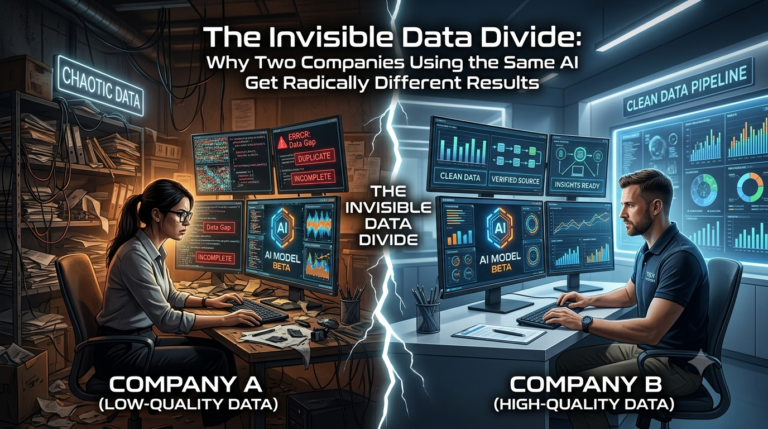
Despite its advantages, implementing AI in B2B sales comes with challenges. Data privacy concerns, integration issues, and high initial costs can slow adoption. Companies must also ensure that their data is accurate and well-structured for AI systems to function effectively. Additionally, there is a need for skilled professionals who can manage and interpret AI-driven insights. However, as technology continues to evolve, these challenges are gradually being addressed. The future of B2B sales will likely involve even more advanced AI capabilities, including autonomous decision-making and real-time optimization. Businesses that embrace AI early will be better positioned to adapt to these changes. The transformation of sales pipelines is only just beginning.
Key Points:
- AI adoption faces challenges like cost and data privacy
- Requires skilled professionals and quality data
- Technology is evolving to overcome limitations
Conclusion –
AI tools such as Salesforce Einstein are fundamentally transforming B2B sales pipelines by making them smarter, faster, and more efficient. From predictive analytics and automation to personalization and strategic insights, AI is reshaping every stage of the sales process. While challenges remain, the benefits far outweigh the limitations for businesses willing to adapt. Companies that integrate AI into their sales strategies can improve conversion rates, enhance customer relationships, and achieve sustainable growth. In an increasingly competitive market, AI is no longer optional—it is becoming a necessity for success in B2B sales.