Understanding the Two Pillars of Modern Marketing-
In today’s highly competitive business landscape, companies are constantly searching for the most effective ways to attract customers and drive growth. Two of the most important marketing approaches are Performance Marketing and Brand Marketing. While both aim to increase business success, they operate with different objectives and measurement methods. Performance Marketing focuses on generating immediate, measurable results such as clicks, leads, conversions, and sales. Brand Marketing, on the other hand, aims to build awareness, trust, credibility, and long-term customer loyalty. Many businesses struggle to determine where they should invest their marketing budget. The reality is that neither strategy works best in isolation. Understanding the strengths and limitations of both approaches is essential for creating a sustainable and profitable marketing strategy.
Key Highlights:
- Performance Marketing focuses on measurable results.
- Brand Marketing builds long-term customer trust.
- Both strategies contribute to business growth.
- Marketing goals determine the right approach.
- Successful companies often combine both methods.
What Is Performance Marketing?
Performance Marketing is a results-driven approach where advertisers pay based on specific actions such as clicks, leads, downloads, or purchases. This strategy relies heavily on data, analytics, and optimization to maximize return on investment (ROI). Popular performance marketing channels include search engine advertising, social media ads, affiliate marketing, and pay-per-click campaigns. One of its biggest advantages is the ability to track every stage of the customer journey and measure campaign effectiveness in real time. Businesses can quickly identify what is working and make adjustments to improve outcomes. However, focusing solely on short-term performance metrics can sometimes lead companies to overlook the importance of long-term brand development and customer relationships.
Benefits of Performance Marketing:
- Delivers measurable and trackable results.
- Generates leads and sales quickly.
- Provides clear ROI insights.
- Allows rapid campaign optimization.
- Supports short-term revenue goals.
What Is Brand Marketing?
Brand Marketing focuses on shaping how customers perceive a company, product, or service over time. Instead of prioritizing immediate conversions, it aims to create emotional connections, increase brand recognition, and establish credibility in the market. Successful brand marketing helps businesses stay top-of-mind when consumers are ready to make purchasing decisions. Activities such as storytelling, public relations, content marketing, sponsorships, and awareness campaigns play a significant role in building a strong brand identity. Although the impact of brand marketing is often more difficult to measure than performance marketing, its long-term value can be substantial. Strong brands typically enjoy higher customer loyalty, better pricing power, and increased resistance to competitive pressure.
Benefits of Brand Marketing:
- Builds customer trust and loyalty.
- Improves brand recognition.
- Creates long-term business value.
- Supports premium pricing strategies.
- Strengthens market positioning.
The Limitations of Focusing on Only One Strategy-
Many businesses make the mistake of investing heavily in either performance marketing or brand marketing while neglecting the other. Companies that focus exclusively on performance marketing may achieve rapid sales growth initially, but they often face rising advertising costs and declining returns over time. Without a strong brand, customer acquisition can become increasingly expensive. Conversely, businesses that invest only in brand marketing may struggle to generate immediate revenue and demonstrate clear marketing effectiveness. A lack of measurable outcomes can make it difficult to justify marketing expenditures. Both approaches have limitations when used independently, highlighting the need for a balanced strategy that supports both short-term and long-term objectives.
Common Challenges:
- Rising customer acquisition costs.
- Difficulty measuring brand impact.
- Short-term focus can limit future growth.
- Weak branding reduces customer loyalty.
- Imbalanced strategies create inefficiencies.
Why Finding the Right Balance Matters-
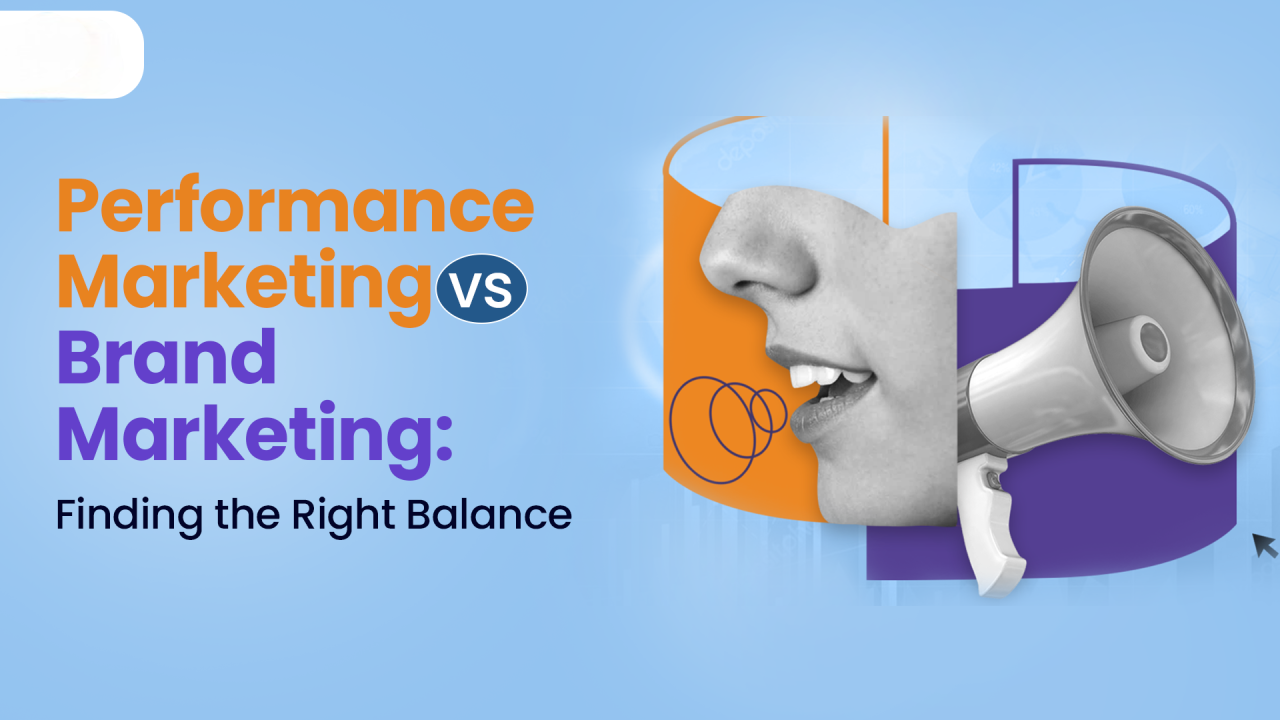
The most successful organizations understand that performance marketing and brand marketing are not competing strategies but complementary ones. Performance campaigns can generate immediate traffic, leads, and sales, while brand-building activities create familiarity and trust that improve conversion rates over time. When consumers recognize and trust a brand, they are more likely to respond positively to performance-driven advertisements. Similarly, performance marketing provides valuable data that can help refine brand messaging and customer targeting. A balanced approach ensures businesses can achieve quick wins without sacrificing long-term growth. This combination creates a stronger marketing ecosystem that supports sustainable business success.
Advantages of a Balanced Approach:
- Improves overall marketing effectiveness.
- Increases customer trust and engagement.
- Enhances long-term revenue growth.
- Strengthens competitive advantage.
- Maximizes marketing investment returns.
How Consumer Behavior Is Changing Marketing Priorities-
Modern consumers conduct extensive research before making purchasing decisions. They compare products, read reviews, engage with brands on social media, and seek recommendations from trusted sources. This shift in behavior has increased the importance of both brand visibility and performance-driven campaigns. Customers are more likely to click on advertisements from brands they recognize and trust. At the same time, businesses need performance marketing to reach potential customers at critical decision-making moments. As consumer expectations continue to evolve, marketers must develop strategies that address both awareness and conversion goals. Companies that understand these changing dynamics are better positioned to capture market share and build lasting customer relationships.
Consumer Trends Influencing Marketing:
- Increased online research before purchases.
- Growing importance of brand trust.
- Higher expectations for personalized experiences.
- Greater influence of social proof and reviews.
- Demand for authentic brand communication.
Measuring Success Across Both Strategies-
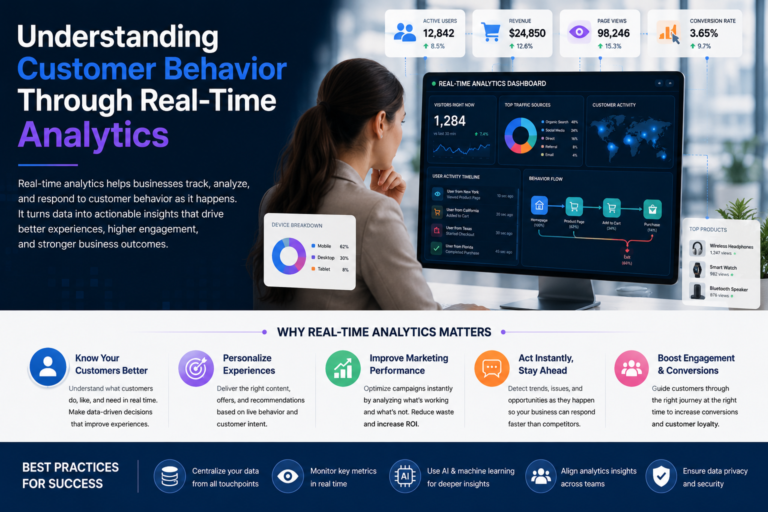
One of the biggest differences between performance marketing and brand marketing lies in how success is measured. Performance marketing relies on metrics such as click-through rates, conversion rates, cost per acquisition, and return on ad spend. Brand marketing, however, focuses on indicators such as brand awareness, customer sentiment, share of voice, and customer loyalty. Businesses should avoid evaluating brand campaigns using only short-term sales metrics. Instead, they should develop a comprehensive measurement framework that captures both immediate and long-term impacts. Combining quantitative and qualitative data provides a clearer picture of marketing effectiveness and supports better decision-making.
Important Metrics to Track:
- Conversion rates and sales revenue.
- Customer acquisition cost (CAC).
- Brand awareness and recognition.
- Customer retention rates.
- Customer lifetime value (CLV).
The Future of Marketing: Integration Over Separation-
As marketing technology continues to advance, the distinction between performance marketing and brand marketing is becoming less pronounced. Artificial intelligence, advanced analytics, and customer data platforms are enabling marketers to connect brand-building efforts with measurable business outcomes. Companies are increasingly adopting integrated marketing strategies that align brand messaging with performance objectives. This approach allows organizations to create consistent customer experiences while maximizing efficiency. The future belongs to businesses that can seamlessly combine creativity, storytelling, data, and technology to achieve both immediate and long-term goals. Integration rather than separation is becoming the foundation of modern marketing success.
Future Marketing Trends:
- Greater use of AI and automation.
- Increased focus on customer experience.
- Integration of branding and performance efforts.
- More sophisticated attribution models.
- Stronger emphasis on data-driven decision-making.
Conclusion-
Performance Marketing and Brand Marketing each play a critical role in driving business growth, but neither should be viewed as a standalone solution. Performance marketing delivers the measurable results businesses need to generate leads, conversions, and revenue, while brand marketing creates the trust, recognition, and loyalty that sustain long-term success. Organizations that focus exclusively on one approach risk limiting their growth potential and weakening their competitive position. The most effective strategy is to strike a balance between immediate performance goals and long-term brand-building initiatives. By combining the strengths of both approaches, businesses can create a powerful marketing engine that drives sustainable growth, improves customer relationships, and maximizes return on investment in an increasingly competitive marketplace.