Physical Address
304 North Cardinal St.
Dorchester Center, MA 02124
Physical Address
304 North Cardinal St.
Dorchester Center, MA 02124

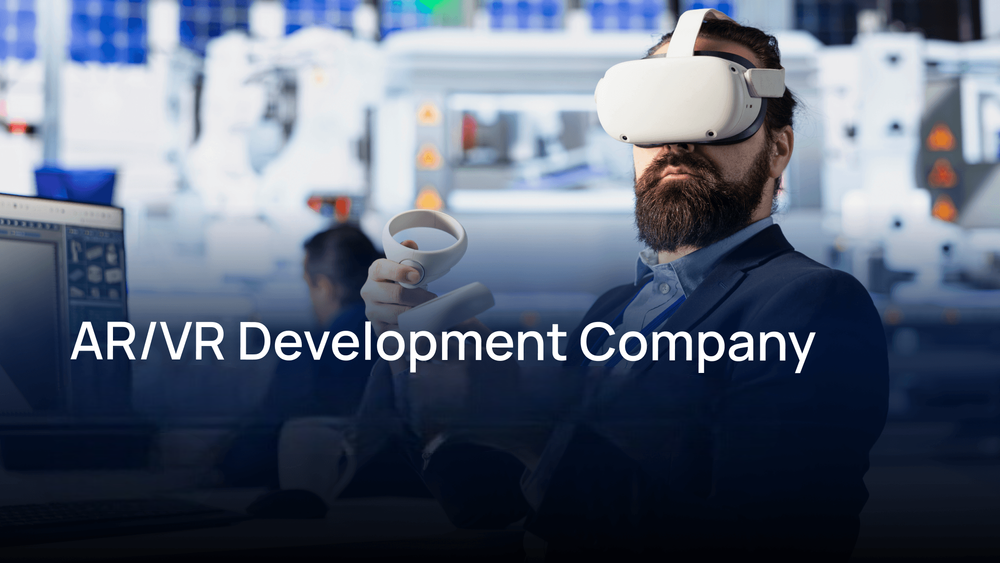
Augmented Reality (AR) and Virtual Reality (VR) are no longer limited to gaming or entertainment—they are becoming powerful tools in B2B environments. These technologies enable immersive, interactive experiences that improve how businesses train employees, engage clients, and collaborate remotely. AR overlays digital information onto the real world, while VR creates fully simulated environments. Together, they help companies bridge the gap between physical and digital operations. As industries embrace digital transformation, AR/VR is emerging as a competitive differentiator. Businesses adopting these tools can enhance productivity, reduce costs, and improve decision-making.
Training in B2B industries often involves complex procedures, expensive equipment, or safety risks. AR/VR addresses these challenges by providing immersive training environments where employees can learn by doing. VR simulations allow workers to practice tasks without real-world consequences, while AR provides real-time guidance during actual operations. This reduces training costs and improves knowledge retention. Employees can learn faster and make fewer mistakes. Additionally, remote training becomes more effective, eliminating the need for travel. Companies can standardize training across global teams with consistent quality.
AR/VR is revolutionizing how businesses present products and solutions to clients. Instead of relying on static presentations, companies can offer immersive product demonstrations. VR allows clients to explore products in a virtual environment, while AR enables interactive visualizations in real-world settings. This is especially valuable for complex or large-scale products that are difficult to showcase physically. Sales teams can create personalized experiences tailored to each client’s needs. This leads to better engagement and faster decision-making. Ultimately, AR/VR helps businesses communicate value more effectively.
With the rise of distributed teams, remote collaboration has become essential in B2B operations. AR/VR enables teams to collaborate in virtual environments that feel more interactive than traditional video calls. Employees can meet in virtual workspaces, interact with 3D models, and solve problems together in real time. AR can assist field workers by connecting them with remote experts who provide live guidance. This reduces downtime and improves efficiency. These technologies also foster better communication and teamwork across geographies. As remote work continues to grow, AR/VR will play a key role in enabling seamless collaboration.
Despite its benefits, adopting AR/VR in B2B comes with challenges. High initial costs, hardware requirements, and integration complexities can slow adoption. Businesses must also ensure that employees are trained to use these technologies effectively. However, as technology advances, costs are expected to decrease and accessibility will improve. The future of AR/VR in B2B looks promising, with innovations such as AI integration and more realistic simulations. Companies that invest early can gain a significant competitive advantage. Over time, AR/VR will become a standard tool in many B2B operations.
AR and VR are transforming how B2B companies train employees, engage customers, and collaborate across distances. By creating immersive and interactive experiences, these technologies improve efficiency, reduce costs, and enhance decision-making. While challenges remain, the rapid evolution of AR/VR is making it more accessible and practical for businesses. Companies that embrace these technologies today will be better positioned for the future. As the B2B landscape continues to evolve, AR/VR will play a crucial role in driving innovation and competitive advantage.