Physical Address
304 North Cardinal St.
Dorchester Center, MA 02124
Physical Address
304 North Cardinal St.
Dorchester Center, MA 02124

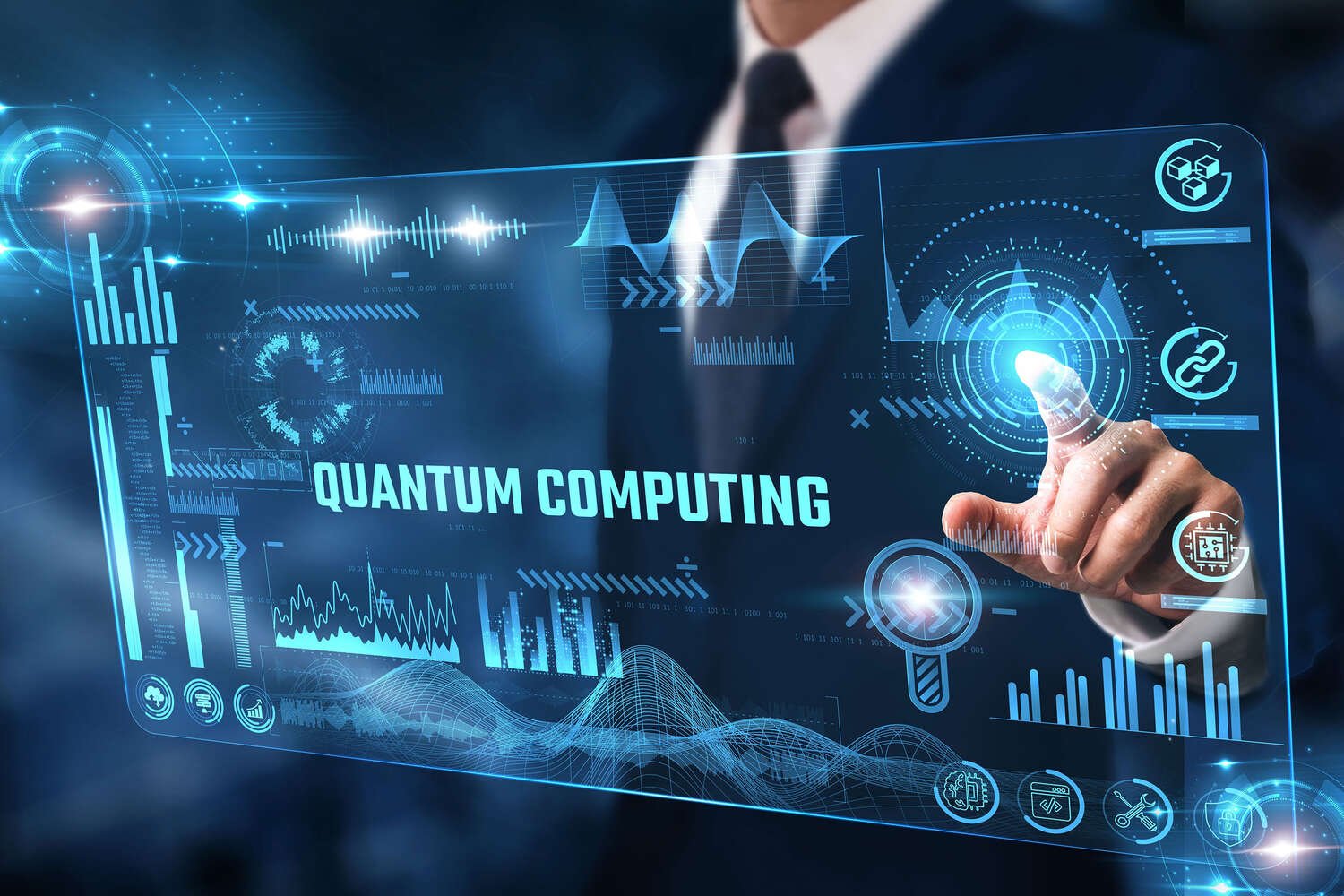
Quantum Computing represents a fundamental shift from classical computing by using quantum bits (qubits) instead of traditional binary bits. Unlike classical systems that process either 0 or 1, qubits can exist in multiple states simultaneously due to principles like superposition and entanglement. This allows quantum computers to perform certain calculations exponentially faster than classical machines. However, this power is highly specialized and not suited for every type of problem. Quantum systems are extremely sensitive to environmental disturbances, making them difficult to build and maintain. Error rates remain one of the biggest technical challenges. While the theory is well established, practical implementation is still evolving. Many current systems are experimental and limited in scale. Understanding these limitations is key to separating real progress from exaggerated claims. The technology holds promise, but it is far from replacing classical computing anytime soon.
Quantum computing often makes headlines with claims of revolutionary breakthroughs and “quantum supremacy.” Companies like Google and IBM have demonstrated systems capable of solving specific problems faster than classical supercomputers. While these achievements are significant, they are often misunderstood by the public. Many of these demonstrations are highly controlled experiments that do not translate directly into practical applications. Media coverage tends to amplify the potential while overlooking the limitations. This creates unrealistic expectations about how soon quantum computing will impact everyday life. Investors and businesses may also overestimate short-term returns. The gap between theoretical capability and real-world usability remains wide. As a result, the hype cycle continues to grow. A more balanced understanding is needed to evaluate true progress. Recognizing the difference between milestones and practical solutions is essential.
Despite the hype, quantum computing does have genuine potential in several fields. Industries such as pharmaceuticals, finance, and logistics are actively exploring its capabilities. For example, quantum systems could revolutionize drug discovery by simulating molecular interactions more accurately. Financial institutions are researching quantum algorithms for risk analysis and portfolio optimization. Companies like Microsoft are investing in tools to make quantum development more accessible. Optimization problems, which are difficult for classical computers, are particularly well-suited for quantum approaches. Cryptography is another critical area, as quantum computers could eventually break current encryption methods. However, most of these applications are still in research or early testing phases. Practical deployment at scale is not yet feasible. Progress is steady but incremental rather than transformative. These realistic use cases highlight both the promise and current limitations.
The biggest barrier to practical quantum computing is not theory but engineering. Qubits are fragile and prone to errors due to noise and environmental interference. Maintaining quantum coherence for long enough to perform calculations is extremely difficult. Error correction techniques exist but require a large number of additional qubits, making systems more complex. Scaling up from a few hundred qubits to millions is a major challenge. Hardware requirements, such as extremely low temperatures, add to the complexity and cost. Companies like Intel are working on improving quantum hardware, but progress is gradual. There is also a shortage of skilled professionals in this specialized field. Software development for quantum systems is still in its early stages. These challenges mean that widespread adoption is likely years, if not decades, away. Overcoming these obstacles will determine the future of the technology.
The future of quantum computing lies somewhere between overhyped promises and cautious optimism. Governments and corporations around the world are investing heavily in research and development. Countries like United States and China are competing to lead in quantum innovation. While breakthroughs will continue, they are likely to be incremental rather than sudden. Hybrid systems that combine classical and quantum computing may become more common in the near term. Businesses should focus on understanding potential use cases rather than expecting immediate transformation. Education and workforce development will play a key role in long-term progress. Collaboration between academia, industry, and governments is essential. The technology’s impact will grow gradually as challenges are addressed. A realistic perspective helps in making informed decisions about investment and adoption. The future is promising, but patience is necessary.
Quantum computing stands at a fascinating crossroads between groundbreaking potential and practical limitation. While the technology promises to solve problems beyond the reach of classical computers, it is still in an early stage of development. The hype surrounding quantum breakthroughs often overshadows the significant technical challenges that remain. Real progress is being made, but it is gradual and focused on specific use cases rather than widespread disruption. Understanding this balance is crucial for businesses, policymakers, and individuals alike. The future of quantum computing will not be defined by sudden revolutions, but by steady advancements that unlock new possibilities over time.