Introduction
Many enterprises continue to depend on legacy systems that have supported core business operations for years. These systems often manage critical functions such as finance, supply chain operations, customer management, and human resources. While they have proven reliable over time, they are increasingly becoming barriers to innovation in a rapidly evolving digital landscape. As organizations adopt cloud computing, artificial intelligence, automation, and advanced analytics, legacy systems often struggle to integrate with modern technologies, resulting in reduced agility, higher maintenance costs, and increased security risks.
Legacy system modernization has therefore become a strategic priority rather than a purely technical initiative. Organizations are recognizing that modernizing their technology landscape is essential for improving operational efficiency, enhancing customer experiences, strengthening cybersecurity, and supporting future business growth. A well-planned modernization strategy enables enterprises to transform outdated systems into flexible, scalable, and future-ready platforms.
Understanding Legacy Systems
A legacy system is any software application, infrastructure component, or technology platform that continues to perform important business functions but relies on outdated technologies or architectures. These systems may still be operational, but they often require specialized expertise to maintain and can be difficult to integrate with newer solutions.
Over time, organizations accumulate technical debt as legacy systems become increasingly disconnected from modern business requirements. What was once considered a robust solution can become a constraint that limits innovation and slows digital transformation efforts. As customer expectations evolve and markets become more competitive, businesses must ensure that their technology infrastructure can support rapid change and continuous improvement.
Why Modernization Has Become a Business Imperative
Modernization is no longer simply about replacing aging technology. It is about creating a foundation that enables organizations to respond quickly to changing market conditions, launch new services faster, and deliver better customer experiences. Legacy systems often consume a significant portion of IT budgets due to maintenance requirements, leaving fewer resources available for innovation initiatives.
Additionally, older systems frequently lack the scalability needed to support growing business demands. Security vulnerabilities can become more difficult to address, especially when vendors discontinue support for outdated platforms. Modernization helps organizations overcome these challenges by introducing flexible architectures, improving performance, and enabling seamless integration with emerging technologies.
Companies that successfully modernize their systems often experience reduced operational costs, improved productivity, stronger security postures, and greater business agility. These benefits directly contribute to long-term competitiveness and organizational resilience.
Step 1: Assess the Existing Technology Environment
Every successful modernization initiative begins with a comprehensive assessment of the current technology landscape. Organizations must first understand the systems they have, how those systems interact, and the business processes they support. This assessment should examine application performance, infrastructure dependencies, maintenance requirements, security risks, and overall business value.
A detailed evaluation helps identify systems that are critical to operations and those that may be candidates for retirement or replacement. It also provides visibility into technical debt and highlights areas where modernization efforts can generate the greatest business impact. Without a clear understanding of the current environment, organizations risk making decisions that increase complexity rather than reduce it.
Step 2: Establish Clear Modernization Goals
One of the most common reasons modernization projects fail is the absence of clearly defined objectives. Technology upgrades should always be aligned with broader business goals. Whether the objective is improving customer experiences, increasing operational efficiency, reducing costs, or enabling AI-driven innovation, organizations need a clear vision of what success looks like.
Defining measurable outcomes helps guide decision-making throughout the modernization process. It also ensures that technology investments are directly connected to strategic business priorities. When modernization initiatives are aligned with organizational goals, stakeholders are more likely to support the effort and contribute to its success.
Step 3: Prioritize Applications and Systems
Not every legacy application requires immediate modernization. Attempting to transform all systems simultaneously can introduce unnecessary risks and strain organizational resources. Instead, enterprises should evaluate applications based on factors such as business importance, technical complexity, operational risk, and potential return on investment.
Applications that directly impact customer experiences, revenue generation, or critical business processes are often prioritized first. By focusing on high-value systems, organizations can achieve meaningful results early in the modernization journey while building momentum for future initiatives. A phased approach also allows teams to learn from initial projects and apply those insights to subsequent modernization efforts.
Step 4: Select the Appropriate Modernization Strategy
Modernization is not a one-size-fits-all process. Different applications require different approaches depending on their complexity, business value, and technical requirements. Some systems may benefit from migration to cloud infrastructure with minimal modifications, while others may require extensive redesign or complete replacement.
The selected strategy should balance business objectives, budget constraints, and risk tolerance. In some cases, retaining portions of existing systems while modernizing specific components can provide an effective path forward. Organizations that carefully evaluate their options are better positioned to maximize value while minimizing disruption to ongoing operations.
Step 5: Modernize Data Architecture
Data is often one of the most valuable assets within an organization, yet many legacy systems store information in fragmented and inaccessible formats. Modernization provides an opportunity to improve data quality, accessibility, and governance.
A modern data architecture enables organizations to consolidate information from multiple sources, improve reporting capabilities, and support advanced analytics initiatives. It also lays the groundwork for AI and machine learning applications that depend on accurate and well-structured data. By treating data modernization as a core component of the transformation journey, organizations can unlock greater business value and improve decision-making capabilities.
Step 6: Embrace Cloud and Hybrid Infrastructure
Cloud computing has become a key driver of modernization efforts across industries. Modern cloud platforms offer scalability, flexibility, and cost efficiency that traditional infrastructure often cannot match. Organizations can rapidly deploy new applications, expand capacity as needed, and improve disaster recovery capabilities through cloud adoption.
However, not all workloads are suitable for public cloud environments. Regulatory requirements, performance considerations, and business needs may necessitate a hybrid approach that combines on-premises infrastructure with cloud services. Hybrid architectures provide the flexibility to modernize at a pace that aligns with organizational objectives while maintaining control over critical systems.
Step 7: Integrate Security into Every Stage
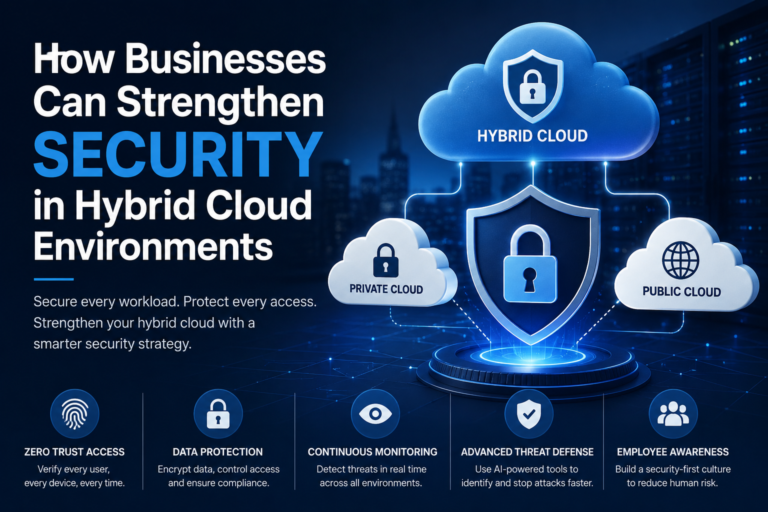
Security should never be treated as an afterthought during modernization projects. Legacy systems often contain outdated security controls that expose organizations to cyber threats and compliance risks. Modernization initiatives provide an opportunity to implement stronger security frameworks and improve overall resilience.
Organizations should adopt security-first principles that incorporate identity management, access controls, encryption, continuous monitoring, and threat detection capabilities. By embedding security into every phase of modernization, businesses can reduce risk while building trust among customers, partners, and stakeholders.
Step 8: Improve Integration and Connectivity
Modern businesses depend on interconnected systems that can share data and support seamless workflows across departments. Legacy environments frequently operate in silos, creating inefficiencies and limiting visibility across the organization.
Modernization should focus on enabling greater interoperability through APIs, integration platforms, and service-based architectures. Improved connectivity allows organizations to create more streamlined processes, enhance collaboration, and deliver consistent experiences to customers and employees. The ability to integrate systems effectively is often one of the most valuable outcomes of a modernization initiative.
Step 9: Adopt a Phased Implementation Approach
Large-scale transformation projects can be complex and disruptive if not managed carefully. Rather than attempting a complete overhaul in a single effort, many organizations achieve better results through incremental modernization.
A phased approach allows teams to modernize systems gradually while minimizing operational risks. It also provides opportunities to measure progress, gather feedback, and make adjustments along the way. Early successes can help build confidence among stakeholders and create momentum for future phases of the transformation journey.
Incremental modernization enables organizations to balance innovation with operational stability, reducing the likelihood of costly disruptions.
Step 10: Focus on People and Change Management
Technology alone does not guarantee successful modernization. Employees must be prepared to adapt to new systems, processes, and ways of working. Effective change management is essential for ensuring user adoption and maximizing the value of modernization investments.
Organizations should prioritize communication, training, and stakeholder engagement throughout the transformation process. Employees who understand the purpose and benefits of modernization are more likely to embrace change and contribute positively to implementation efforts. Building a culture that supports continuous learning and innovation can significantly improve long-term outcomes.
Common Challenges in Legacy Modernization
Despite its many benefits, modernization can present several challenges. Organizations often encounter issues related to budget limitations, complex system dependencies, data migration risks, and resistance to change. Talent shortages and evolving compliance requirements can further complicate modernization efforts.
However, these challenges can be addressed through careful planning, strong governance, and executive sponsorship. Organizations that establish realistic timelines, maintain clear communication, and align modernization efforts with business priorities are more likely to achieve successful outcomes.
Measuring Success
Modernization initiatives should be evaluated based on measurable business outcomes rather than technical milestones alone. Organizations should assess whether modernization efforts have improved operational efficiency, reduced costs, enhanced customer experiences, strengthened security, and accelerated innovation.
Regular performance reviews help ensure that modernization investments continue to deliver value over time. By tracking meaningful business metrics, organizations can demonstrate return on investment and identify opportunities for further optimization.
Conclusion
Legacy system modernization is a critical step for organizations seeking to remain competitive in today’s digital economy. While legacy systems have supported businesses for many years, they often limit innovation, increase operational complexity, and create security challenges. A structured modernization strategy allows organizations to transform outdated technology environments into agile, scalable, and future-ready platforms. By carefully assessing existing systems, aligning modernization efforts with business goals, embracing cloud and data transformation, strengthening security, and investing in workforce readiness, enterprises can unlock new opportunities for growth and innovation. Organizations that modernize successfully today will be better positioned to adapt to future market demands, leverage emerging technologies, and achieve long-term business success.