
A/B Testing in Marketing: What to Test and Why

In a data-driven marketing world, guessing what works is no longer enough. A/B testing, also known as split testing, allows marketers to compare two versions of a campaign element to determine which performs better. Instead of relying on assumptions, businesses can make informed decisions based on real user behavior. Whether it’s an email campaign, landing page, or advertisement, A/B testing helps optimize performance, improve engagement, and increase conversions.
What is A/B Testing?
A/B testing is a method where two variations—Version A and Version B—are shown to different segments of your audience at the same time. The goal is to measure which version performs better based on a specific metric such as click-through rate, conversion rate, or engagement. By isolating one variable at a time, marketers can clearly understand what change led to improved results.
Why A/B Testing Matters –
A/B testing removes guesswork from marketing strategies. It helps businesses understand their audience preferences, refine messaging, and improve ROI. Instead of making broad changes that may or may not work, marketers can test small variations and scale what proves successful. Over time, these incremental improvements can lead to significant gains in performance and customer experience.
What to Test in A/B Testing –
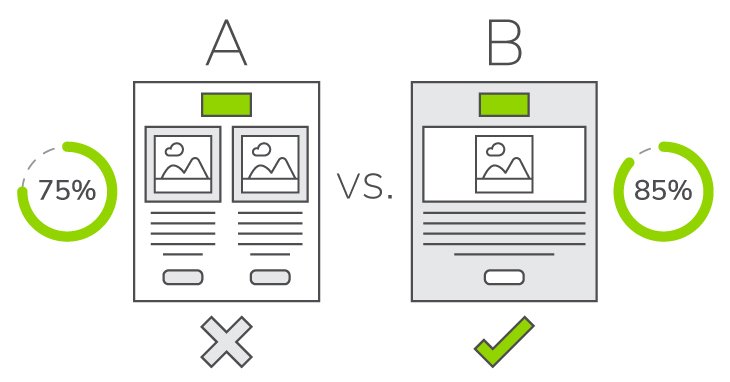
There are several elements in marketing campaigns that can be tested to improve results. One of the most common is headlines, as they are the first thing users notice. A compelling headline can significantly impact whether a user engages with your content. Similarly, call-to-action (CTA) buttons are critical, and testing different wording, colors, or placements can influence conversion rates.
Another important element to test is email subject lines. Even a small change in wording can affect open rates. Visual elements such as images, videos, and layout design also play a key role in user engagement, making them ideal candidates for testing. Additionally, landing page content, including copy length, structure, and value propositions, can be optimized through A/B testing. Timing is another factor—testing when emails are sent or ads are displayed can reveal when your audience is most responsive.
Key Elements and Their Impact –
| Element Tested | Why It Matters | Impact on Performance |
|---|---|---|
| Headlines | First impression for users | Affects engagement and clicks |
| CTA Buttons | Drives user action | Influences conversion rates |
| Email Subject Lines | Determines open rates | Impacts email campaign success |
| Images/Design | Enhances visual appeal | Improves user interaction |
| Landing Page Copy | Communicates value | Affects conversions |
| Timing | Reaches audience at the right moment | Boosts engagement and response |
Best Practices for Effective A/B Testing –
To get reliable results, it is important to test one variable at a time. Testing multiple changes simultaneously can make it difficult to identify what caused the difference in performance. It is also essential to run tests for a sufficient duration and with a large enough sample size to ensure statistical significance. Setting clear goals and metrics before starting a test helps in measuring success accurately. Additionally, documenting results and applying learnings to future campaigns ensures continuous improvement.
Common Mistakes to Avoid –
One common mistake in A/B testing is stopping tests too early. Early results may not reflect long-term trends, leading to incorrect conclusions. Another mistake is testing insignificant changes that do not have a meaningful impact on performance. Marketers should focus on elements that directly influence user behavior. Ignoring external factors such as seasonality or audience differences can also skew results. Proper planning and analysis are crucial to avoid these pitfalls.
Conclusion –
A/B testing is a powerful tool that enables marketers to make smarter, data-backed decisions. By testing key elements such as headlines, CTAs, visuals, and timing, businesses can continuously optimize their campaigns for better performance. The key to success lies in a structured approach, clear objectives, and consistent experimentation. In a competitive digital landscape, A/B testing is not just an option—it is a necessity for achieving sustainable growth and maximizing marketing effectiveness.