Low-Code vs No-Code: Are Developers Still Needed?
Low-Code vs No-Code: Are Developers Still Needed?
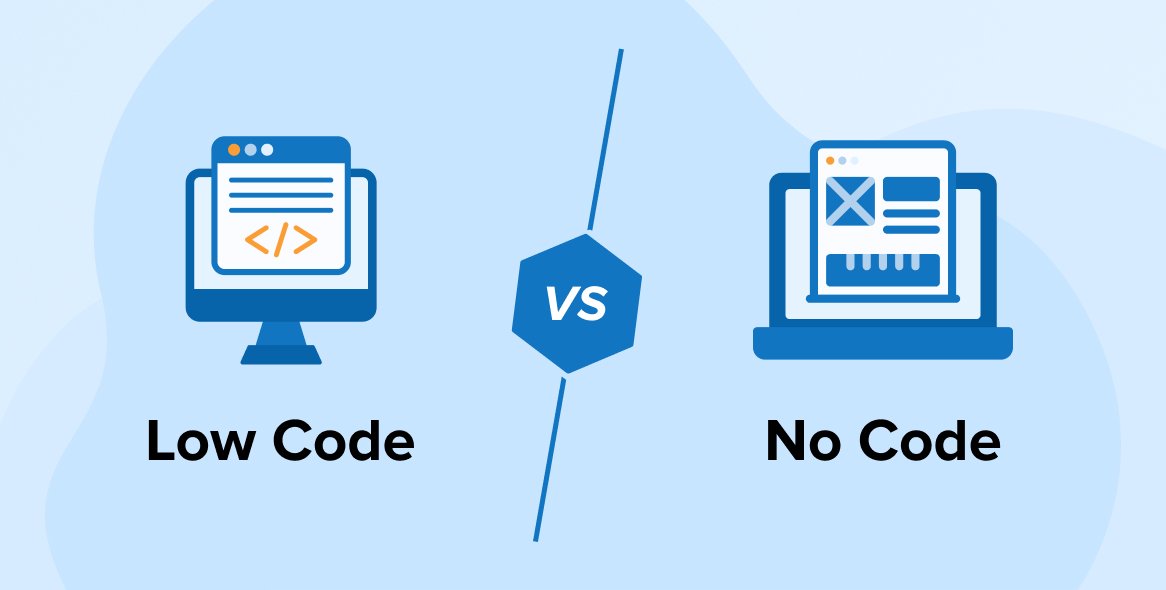
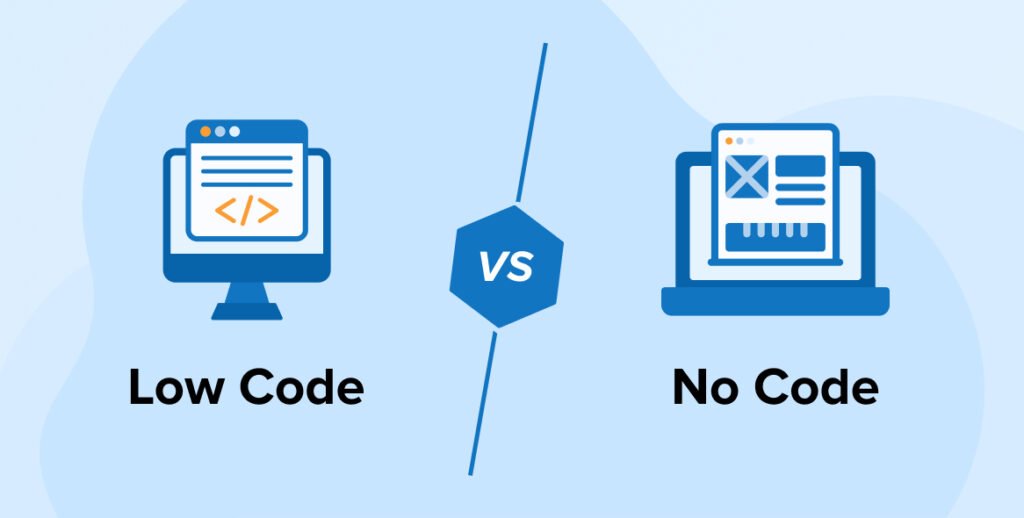
Low-code and no-code platforms are reshaping the software development landscape by making application building faster and more accessible. These platforms reduce dependency on traditional coding by offering visual development environments, drag-and-drop components, and pre-built integrations. Low-code platforms still require some level of coding and are typically used by developers to speed up delivery, whereas no-code platforms are designed for non-technical users who want to build applications without programming knowledge. This shift has opened the door for faster innovation, especially in organizations that need quick solutions without long development cycles.
Growing Adoption of Low-Code and No-Code –
The rapid adoption of low-code and no-code tools is largely driven by the need for speed and efficiency. Businesses today cannot afford to wait months for application development, and these platforms allow them to build and deploy solutions in a fraction of the time. They also help reduce costs by minimizing the need for large development teams for simple or repetitive tasks. Another major benefit is the rise of citizen developers—business users who can now create their own applications, automate workflows, and solve operational problems without relying heavily on IT departments. This democratization of development is transforming how organizations approach digital transformation.
Key Differences Between Low-Code and No-Code –
| Feature | Low-Code Platforms | No-Code Platforms |
|---|---|---|
| Coding Requirement | Requires minimal coding | No coding required |
| Target Users | Developers and IT teams | Non-technical users (citizen developers) |
| Flexibility | High (customization possible) | Limited (predefined features) |
| Use Cases | Complex apps, integrations | Simple apps, workflows, automation |
| Scalability | Better suited for enterprise applications | Limited scalability |
Limitations and Challenges –
Despite their benefits, low-code and no-code platforms have certain limitations. They often struggle with handling highly complex business logic or unique requirements that go beyond their built-in capabilities. Scalability can also become an issue when applications grow in size or user demand increases. Additionally, organizations may face vendor lock-in, where they become dependent on a single platform’s ecosystem and pricing structure. Security and compliance concerns are also critical, especially for enterprises that require strict data protection and governance standards. These limitations highlight that while these platforms are powerful, they are not a complete replacement for traditional development.
Are Developers Still Needed?

Developers are not becoming obsolete; instead, their roles are evolving. While low-code and no-code platforms handle repetitive and basic development tasks, developers focus on more complex and strategic areas such as system architecture, performance optimization, security implementation, and advanced integrations. They also play a crucial role in extending the capabilities of these platforms through custom code and ensuring that applications meet enterprise-grade standards. In many cases, developers act as enablers, guiding business users and maintaining governance across applications built within the organization.
Conclusion –
Low-code and no-code platforms are not eliminating the need for developers but are instead redefining their responsibilities. These tools enhance productivity by allowing faster development and empowering non-technical users, while developers concentrate on solving complex problems and building scalable systems. The future lies in collaboration, where businesses leverage both these platforms and skilled developers to achieve innovation, efficiency, and long-term success.