What is Operational Technology (OT)? A Beginner’s Guide for IT Professionals
Introduction to Operational Technology –
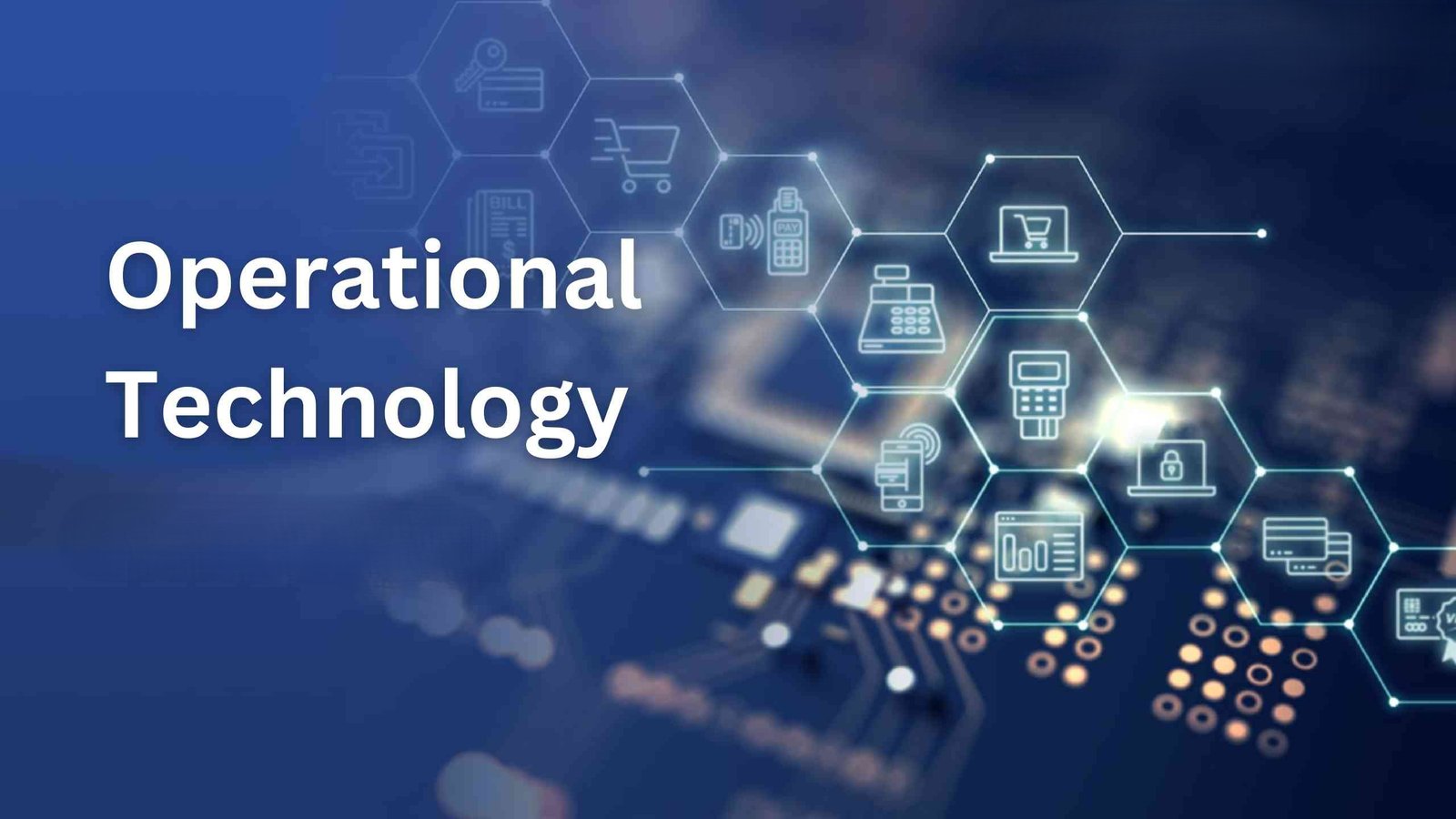
Operational Technology (OT) refers to the hardware and software systems used to monitor, control, and manage physical devices, processes, and infrastructure. Unlike traditional IT systems that focus on data processing and communication, OT is directly involved in controlling real-world operations. From manufacturing plants to power grids, OT plays a critical role in ensuring that industrial processes run efficiently and safely. For IT professionals, understanding OT is becoming increasingly important as digital transformation bridges the gap between IT and industrial environments.
OT vs IT: Understanding the Difference –
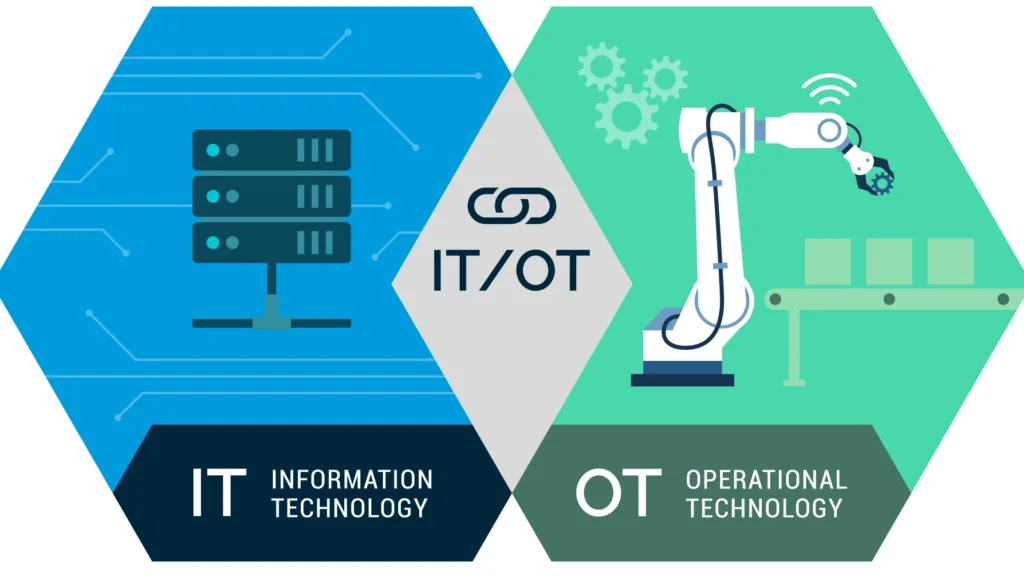
While IT (Information Technology) focuses on managing data, networks, and enterprise systems, OT is concerned with controlling machines and physical processes. IT systems prioritize data integrity, confidentiality, and availability, whereas OT systems emphasize safety, reliability, and real-time performance. For example, a delay in an IT system might cause inconvenience, but a delay in an OT system could disrupt production or even pose safety risks. This fundamental difference shapes how both environments are designed, managed, and secured.
Key Components of OT Systems –
Operational Technology environments consist of several interconnected components that work together to control industrial processes. These include sensors that collect real-time data, controllers that process inputs and trigger actions, and actuators that execute physical changes. Systems such as SCADA (Supervisory Control and Data Acquisition) and Distributed Control Systems (DCS) are commonly used to monitor and manage operations. Programmable Logic Controllers (PLCs) are another essential element, enabling automation and precise control within industrial settings.
Key Components of OT Systems –
Operational Technology environments consist of several interconnected components that work together to control industrial processes. These include sensors that collect real-time data, controllers that process inputs and trigger actions, and actuators that execute physical changes. Systems such as SCADA (Supervisory Control and Data Acquisition) and Distributed Control Systems (DCS) are commonly used to monitor and manage operations. Programmable Logic Controllers (PLCs) are another essential element, enabling automation and precise control within industrial settings.
The Convergence of IT and OT –
Traditionally, IT and OT operated in separate silos. However, the rise of digital transformation, Industrial IoT (IIoT), and smart technologies has led to increased integration between the two. This convergence allows organizations to collect and analyze operational data, enabling better decision-making and predictive maintenance. While this integration brings significant benefits, it also introduces new challenges, particularly in terms of security and system complexity.
Security Challenges in OT Environments –
OT systems were not originally designed with cybersecurity in mind, making them vulnerable to modern threats. As these systems become connected to IT networks and the internet, the risk of cyberattacks increases. Threats such as ransomware, unauthorized access, and system manipulation can have serious consequences, including operational downtime and safety hazards. For IT professionals, securing OT environments requires a different approach, focusing on both cybersecurity and physical safety.
Key Differences in Security Approach –
In IT environments, security updates and patches are applied regularly to address vulnerabilities. In OT, however, systems often run continuously and cannot afford downtime, making patch management more complex. Additionally, OT systems may use legacy technologies that are difficult to secure using modern methods. This requires IT professionals to adopt specialized strategies, such as network segmentation, continuous monitoring, and risk-based security models.
Skills IT Professionals Need for OT –
As IT and OT continue to converge, IT professionals must expand their skill sets to work effectively in OT environments. This includes understanding industrial protocols, real-time systems, and safety requirements. Familiarity with tools used in industrial automation, as well as knowledge of compliance standards, is also important. Collaboration between IT and OT teams is essential to ensure smooth integration and secure operations.
Benefits of Understanding OT –
For IT professionals, gaining knowledge of OT opens up new career opportunities and enhances their ability to contribute to digital transformation initiatives. Organizations are increasingly seeking professionals who can bridge the gap between IT and OT, helping to optimize operations while maintaining security. Understanding OT also enables better communication with engineering and operations teams, leading to more effective problem-solving.
Conclusion –
Operational Technology is a critical component of modern industrial environments, controlling the systems that power our daily lives. As the line between IT and OT continues to blur, IT professionals must adapt and develop a deeper understanding of operational systems. By doing so, they can play a key role in driving innovation, improving efficiency, and ensuring the security of increasingly connected industrial ecosystems.