Physical Address
304 North Cardinal St.
Dorchester Center, MA 02124
Physical Address
304 North Cardinal St.
Dorchester Center, MA 02124

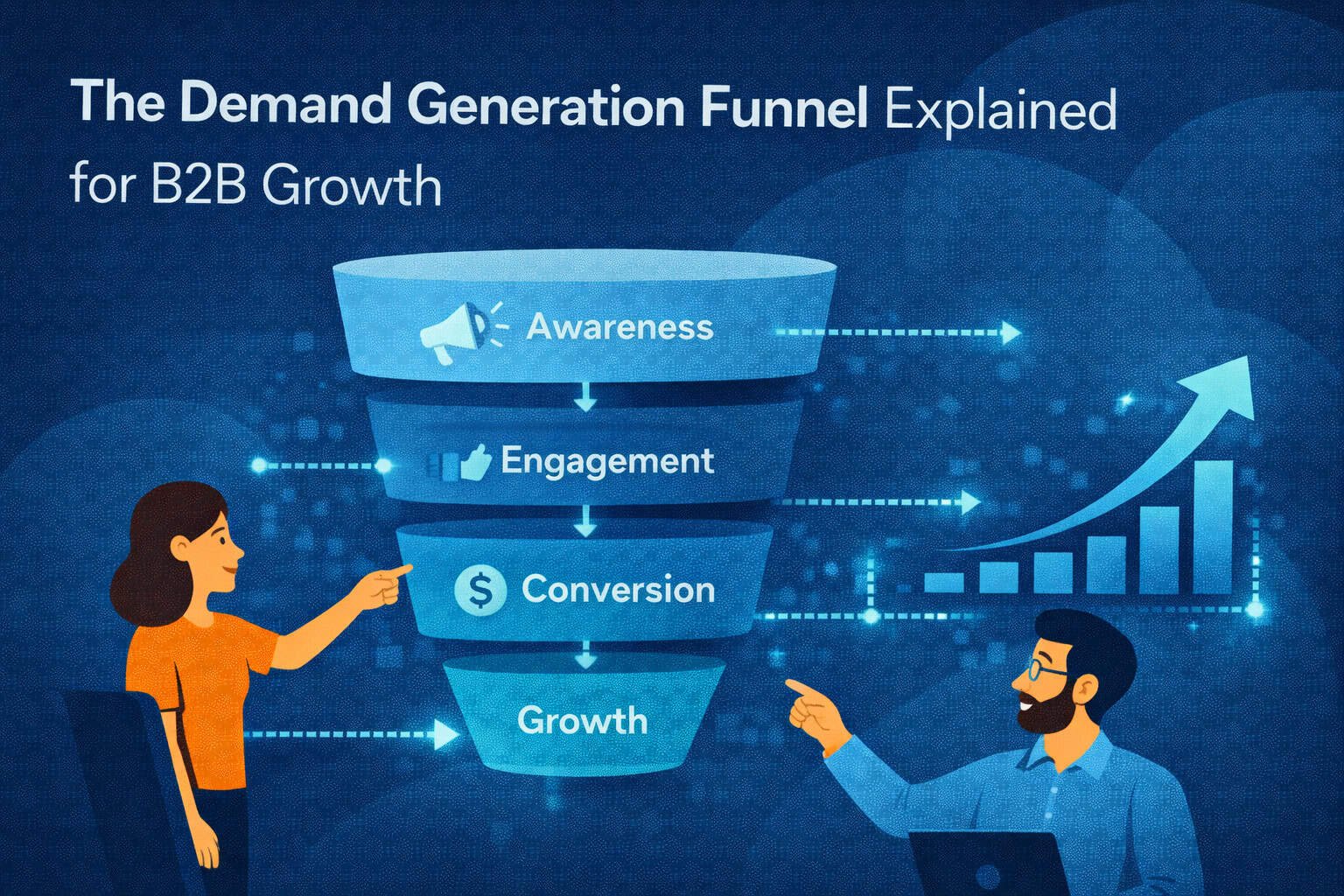
For years, B2B marketing focused heavily on generating as many leads as possible, often measuring success by the size of the pipeline rather than actual business outcomes. However, this approach is rapidly changing as companies realize that not all leads contribute to revenue. The modern B2B funnel prioritizes quality over quantity, emphasizing meaningful engagement with high-intent prospects. Organizations are now aligning marketing goals with revenue targets instead of just lead metrics. This shift is driven by increased competition, longer sales cycles, and more informed buyers. Marketers are expected to contribute directly to business growth, not just awareness.
Key changes include:
Today’s B2B buyers are more informed and independent than ever before. With access to digital content, reviews, and peer recommendations, they often complete a significant portion of their research before engaging with sales teams. This means the traditional linear funnel is no longer effective. Instead, the buyer journey is complex, non-linear, and involves multiple stakeholders. Decision-making processes can take longer and require more personalized communication. Marketers must now create content and experiences that cater to different stages of the journey. Understanding customer needs and pain points is critical to guiding them effectively. Data and insights play a major role in mapping this journey.
Key aspects of the new journey:
One of the biggest challenges in traditional B2B models has been the disconnect between sales and marketing teams. Marketing generates leads, while sales focuses on closing deals, often with little coordination between the two. In the new revenue-driven funnel, alignment between these functions is essential. Both teams must work toward shared goals and use common metrics to measure success. Collaboration ensures that leads are properly nurtured and handed over at the right time. It also improves communication and reduces inefficiencies. Technology, such as CRM systems and marketing automation tools, plays a key role in enabling this alignment.
Alignment benefits include:
Data and technology are at the core of the modern B2B funnel. Advanced analytics allow businesses to track customer behavior, identify high-value prospects, and optimize marketing strategies. Tools such as automation platforms and customer relationship management systems enable more efficient processes. Predictive analytics can help forecast outcomes and prioritize leads with the highest potential. This reduces wasted effort and increases conversion rates. Technology also allows for real-time adjustments, ensuring campaigns remain effective. However, relying solely on data without human insight can lead to missed opportunities.
Key technological advantages:
To succeed in the new B2B funnel, organizations must rethink their marketing strategies بالكامل. This involves shifting from campaign-based thinking to a more holistic, customer-centric approach. Content must be tailored to address specific business challenges and provide real value. Account-based marketing (ABM) is becoming increasingly popular as it focuses on high-value clients. Marketers must also track metrics that directly impact revenue, such as customer acquisition cost and lifetime value. Continuous optimization is essential to stay competitive in a rapidly changing environment. Collaboration across departments ensures consistency and effectiveness.
The transition from lead generation to revenue generation represents a major evolution in B2B marketing. It reflects a deeper understanding of buyer behavior, the importance of alignment between teams, and the growing role of data and technology. Organizations that embrace this shift can create more meaningful customer relationships and achieve sustainable growth. Instead of chasing numbers, the focus is now on delivering value and driving real business outcomes. In this new landscape, success belongs to those who can connect marketing efforts directly to revenue impact while maintaining a strong customer focus.