Introduction
Employee Skills vs Job Descriptions is becoming an increasingly important conversation as businesses navigate a workplace shaped by artificial intelligence, automation, cloud computing, data analytics, and continuous digital transformation. For decades, organizations have relied on clearly defined job descriptions to establish responsibilities, qualifications, expectations, and performance requirements. A marketing executive managed campaigns, a sales representative developed customer relationships, and an IT professional maintained technology infrastructure. These traditional role definitions provided structure and clarity in relatively stable working environments.
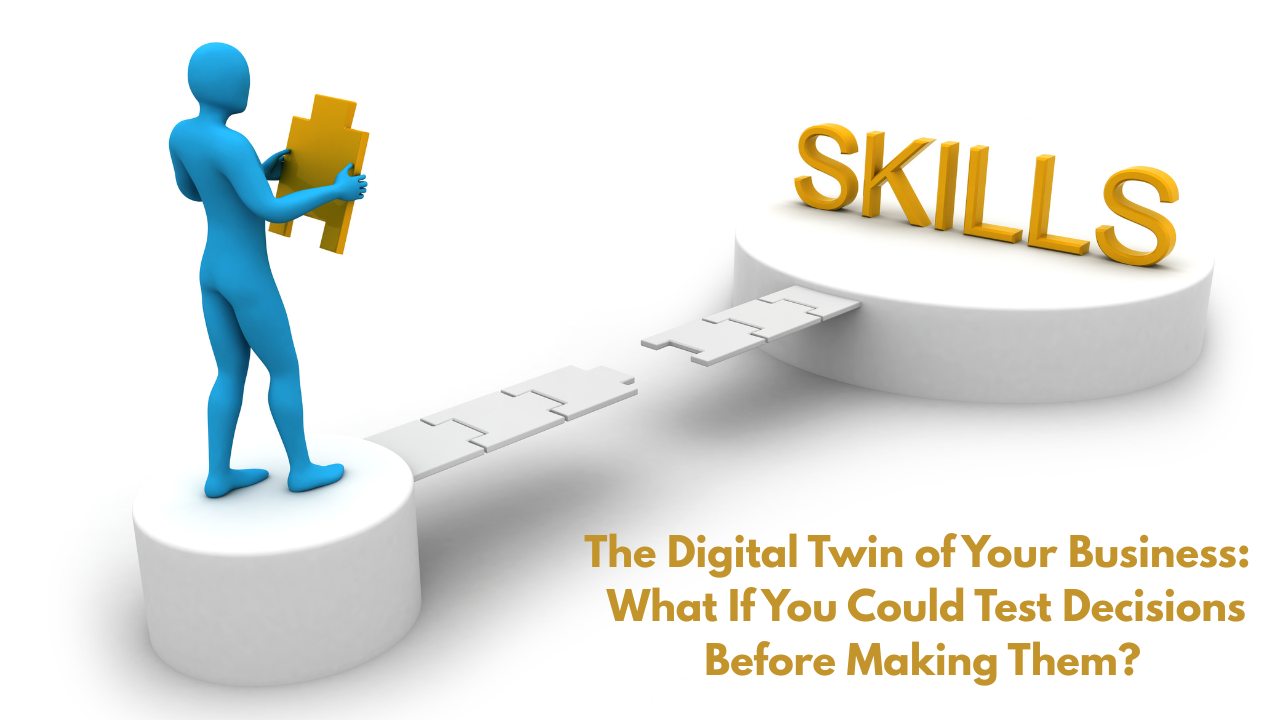
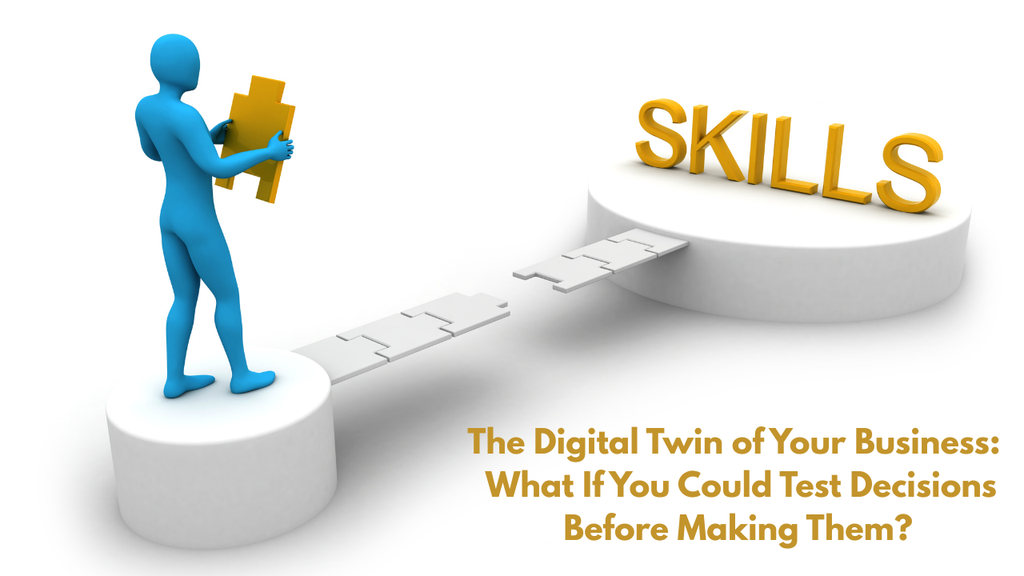
However, the relationship between employees and their professional responsibilities is changing rapidly. Employees are learning new technologies, experimenting with AI-powered applications, automating repetitive tasks, and developing capabilities that were never part of their original job descriptions. In many organizations, people are acquiring new skills faster than HR departments and management teams can update their formal role definitions.
This shift creates both opportunities and challenges for modern enterprises. Organizations that continue to evaluate talent exclusively through traditional job titles risk overlooking valuable capabilities, limiting internal mobility, and missing opportunities for innovation. Businesses must rethink how they identify, develop, evaluate, and utilize employee talent. The future of workforce management will increasingly depend on understanding what employees can actually do rather than relying only on what their job descriptions say they should do.
Why Traditional Job Descriptions Are Struggling to Keep Up –
Traditional job descriptions were designed to establish clear boundaries around responsibilities, qualifications, reporting structures, and expected outcomes. They helped organizations recruit suitable candidates, distribute workloads, and measure employee performance. However, these documents were generally created around relatively stable professional responsibilities.
Today, technology is changing the nature of work across almost every business function. AI-powered applications can support content creation, financial analysis, customer communication, reporting, and operational decision-making. Cloud platforms and automation technologies are also enabling employees to manage tasks that previously required specialized technical teams.
As a result, employees frequently develop capabilities beyond their formally assigned responsibilities. A marketing professional might learn data analytics, a finance executive might build automated reporting workflows, and an HR specialist might become proficient in AI-powered recruitment tools.
The problem is not that job descriptions have become irrelevant. Rather, they are no longer sufficient as the only framework for understanding employee capabilities.
Businesses need to recognize several emerging challenges:
- Changing responsibilities: Employees increasingly perform tasks that were not included in their original roles.
- Technology-driven expectations: New digital tools introduce responsibilities requiring additional technical and analytical knowledge.
- Skill visibility gaps: Managers may not know about capabilities employees have developed independently.
- Rigid organizational structures: Traditional departmental boundaries can prevent employees from contributing beyond their assigned functions.
Organizations must therefore move towards more flexible role definitions that reflect the changing relationship between technology, skills, and business responsibilities.
AI Is Accelerating Employee Skill Development –
Artificial intelligence is one of the biggest forces accelerating changes in workplace capabilities. Employees no longer need to rely exclusively on formal training programs or lengthy certification processes to begin developing new professional skills.
AI-powered tools, online learning platforms, digital communities, and interactive tutorials make it easier to explore unfamiliar technologies and experiment with new ways of working.
For example, a marketing executive can use AI tools to explore campaign analytics, identify content opportunities, and improve audience segmentation. A finance professional can investigate workflow automation to reduce repetitive reporting tasks. Similarly, customer service employees can develop an understanding of AI-assisted support systems and customer experience analytics.
These developments are changing what professional expertise looks like.
How AI Is Changing the Nature of Professional Skills –
AI does not necessarily eliminate the importance of specialized knowledge. Instead, it changes how employees apply their expertise.
Professionals increasingly need to combine domain knowledge with the ability to use technology effectively, evaluate AI-generated outputs, identify inaccuracies, and make informed decisions.
Important emerging capabilities include:
- AI literacy: Understanding AI applications, their capabilities, and their limitations.
- Data interpretation: Using information and analytical tools to support business decisions.
- Workflow automation: Identifying repetitive processes that can be improved through automation.
- Critical thinking: Evaluating technology-generated recommendations rather than accepting them without review.
- Digital adaptability: Learning unfamiliar platforms and technologies as business requirements evolve.
For enterprises, this means that workforce development must go beyond traditional technical training. Employees need opportunities to develop the combination of technological understanding, professional judgment, and problem-solving abilities required in AI-enabled workplaces.
Skills-Based Workforce Planning Is Becoming a Business Priority –
One of the biggest limitations of traditional workforce planning is its dependence on job titles, educational qualifications, years of experience, and predefined responsibilities.
Although these factors remain useful, they do not always reveal an individual’s complete capabilities.
An employee hired for content development may have strong analytical skills. Someone working in customer support may understand process automation. A sales professional may possess technical knowledge that could contribute to product development or customer success initiatives.
When organizations focus exclusively on existing job descriptions, these capabilities can remain unnoticed.
This is where skills-based workforce planning becomes valuable.
Rather than evaluating employees only according to their current positions, businesses identify the skills available across their workforce and determine how those capabilities align with present and future business requirements.
What Skills-Based Workforce Planning Can Achieve –
A skills-based approach helps organizations develop a more comprehensive understanding of their talent.
Key benefits include:
- Improved internal mobility: Employees can explore opportunities based on their capabilities rather than being restricted by current job titles.
- Better resource allocation: Managers can identify existing talent before recruiting externally.
- Stronger workforce agility: Teams can adapt more effectively when new business requirements emerge.
- Reduced skill gaps: Organizations can identify capability shortages and prioritize relevant training.
- Improved collaboration: Employees with complementary skills can contribute to cross-functional projects.
For example, a company preparing to introduce AI-powered customer service solutions may discover that employees in its existing support and operations teams already possess relevant technical and analytical capabilities.
Instead of immediately building an entirely new team, the organization could provide targeted training and create opportunities for these employees to contribute to the implementation.
This approach helps businesses make better use of existing talent while developing capabilities aligned with future priorities.
Career Development Is Moving Beyond Traditional Job Titles –
Career progression has traditionally followed relatively predictable pathways. Employees moved from junior to senior positions, gained experience within a particular department, and eventually progressed into managerial or leadership roles.
Although these pathways continue to exist, digital transformation is creating new opportunities for employees to develop capabilities across multiple disciplines.
A marketing professional might develop expertise in data analytics, become proficient in AI-driven campaign management, and eventually transition into a strategic growth position.
Similarly, an IT professional might develop knowledge of cybersecurity, business operations, cloud infrastructure, or AI governance and move into a broader technology leadership role.
Career development is increasingly influenced by the ability to acquire relevant skills, solve business problems, and adapt to emerging opportunities.
Conclusion –
The growing gap between employee capabilities and traditional job descriptions reflects a fundamental change in how modern organizations operate. Artificial intelligence, automation, cloud computing, and digital transformation are creating opportunities for employees to develop skills that extend far beyond their original professional responsibilities.
For businesses, this presents an important opportunity to rethink workforce planning, talent management, career development, and performance evaluation. Organizations that rely exclusively on traditional job titles may overlook valuable internal capabilities, while those that adopt skills-based approaches can identify hidden talent, strengthen collaboration, and respond more effectively to emerging business requirements.
However, this transformation requires more than technology adoption. Businesses must invest in continuous learning, encourage experimentation, support employee well-being, and establish responsible frameworks for using emerging technologies.
Frequently Asked Questions (FAQs)
Employee skills are evolving faster because digital technologies, AI-powered applications, and online learning resources allow people to develop new capabilities continuously. Traditional job descriptions are often reviewed periodically, making it difficult for organizations to reflect these changes immediately.
Employee skills represent the actual knowledge, abilities, and competencies an individual possesses. Job descriptions define the formal responsibilities, qualifications, and expectations associated with a particular position. An employee may develop capabilities that extend well beyond their official job description.
AI is changing workplace responsibilities by helping employees perform tasks such as data analysis, reporting, content creation, research, and workflow automation. It is also increasing the importance of AI literacy, critical thinking, technology evaluation, and human decision-making.
Skills-based workforce planning is an approach that focuses on identifying employee capabilities and matching them with organizational requirements. Instead of relying exclusively on job titles and qualifications, businesses evaluate what employees can do and where their skills can create value.
HR departments can use skills inventories, competency assessments, employee development discussions, internal talent marketplaces, and workforce analytics. These approaches help identify capabilities that may not appear in formal job descriptions or employee records.