
Introduction –
Technology has always been a driving force behind business efficiency and innovation. Over the past few decades, organizations have invested heavily in automation to streamline operations, reduce manual effort, and improve productivity. From manufacturing assembly lines to software-driven workflows, automation has transformed the way businesses operate.
However, a new technological shift is now underway. Businesses are moving beyond traditional automation toward autonomous systems—intelligent technologies capable of making decisions, adapting to changing conditions, and performing complex tasks with minimal human intervention.
This evolution represents more than just an upgrade in technology. It marks a fundamental change in how machines interact with data, processes, and people. While automation focuses on executing predefined tasks, autonomous systems are designed to learn, reason, and act independently within specific environments.
As artificial intelligence, machine learning, cloud computing, and advanced analytics continue to mature, autonomous systems are becoming a critical component of digital transformation strategies across industries.
Understanding Traditional Automation –
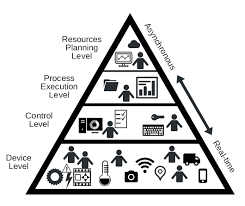
Automation refers to the use of technology to perform repetitive tasks according to predefined rules and instructions. These systems are highly effective when processes are structured, predictable, and consistent.
For example, businesses use automation to process invoices, send email notifications, manage inventory updates, and execute manufacturing operations. Once programmed, these systems
follow fixed workflows and require minimal human involvement for routine activities. The primary goal of automation is efficiency. By eliminating repetitive manual work, organizations can reduce operational costs, minimize errors, and improve productivity.
However, traditional automation has limitations. It performs well in stable environments but struggles when unexpected situations arise or when decision-making requires context and judgment.
The Emergence of Intelligent Automation –
As organizations sought greater flexibility, automation began incorporating artificial intelligence and machine learning capabilities. This led to the development of intelligent automation, which combines rule-based processes with data-driven insights.
Unlike traditional automation, intelligent automation can analyze information, recognize patterns, and make limited decisions based on learned behavior. For instance, AI-powered customer service platforms can understand customer inquiries, classify support tickets, and recommend solutions.
This advancement allowed businesses to automate more complex workflows that previously required human intervention. Yet, intelligent automation still operates within defined boundaries and often relies on human oversight for critical decisions.
The next stage of evolution takes these capabilities even further.
What Are Autonomous Systems?
Autonomous systems are technologies capable of operating independently while continuously adapting to changing conditions. These systems can perceive their environment, analyze information, make decisions, and take actions without requiring constant human guidance.
Rather than following fixed instructions, autonomous systems use AI, machine learning, sensors, real-time analytics, and decision-making algorithms to determine the most appropriate course of action.
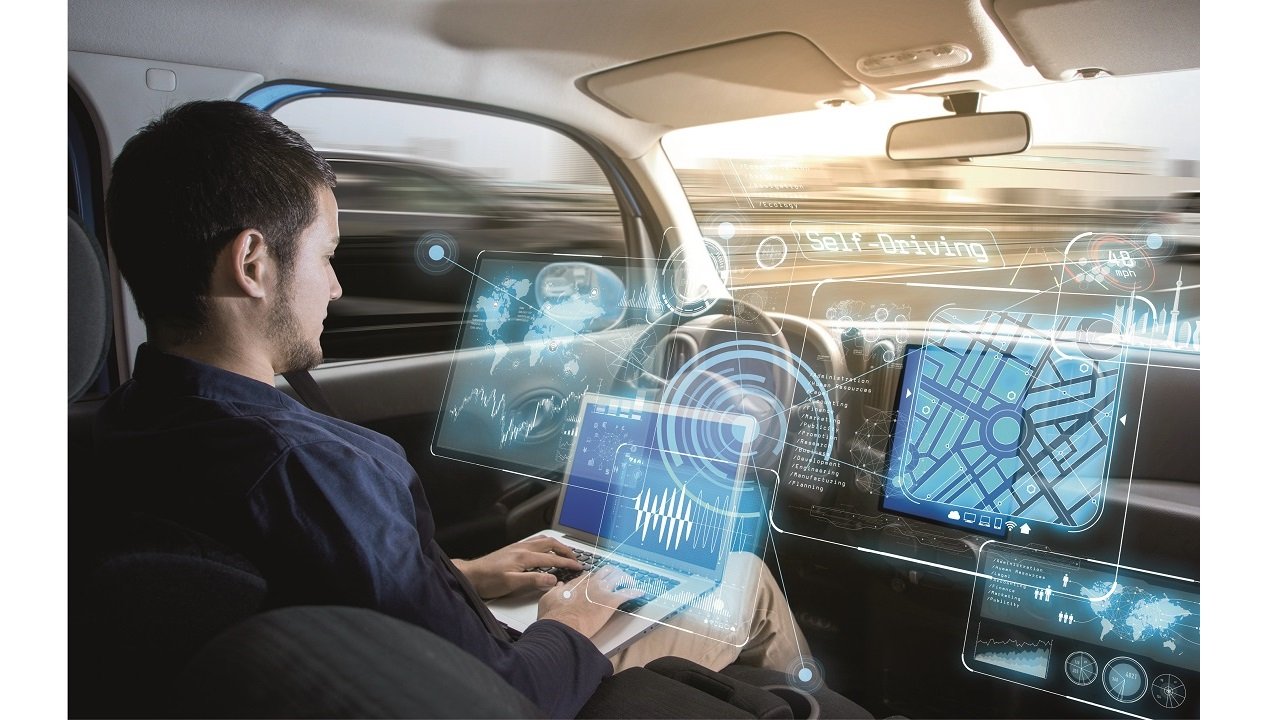
Examples include autonomous vehicles, self-optimizing supply chains, intelligent cybersecurity platforms, autonomous drones, and AI-powered industrial robots.
The defining characteristic of autonomous systems is their ability to learn and respond dynamically rather than simply executing pre-programmed tasks.
Automation vs Autonomous Systems –
| Aspect | Traditional Automation | Autonomous Systems |
|---|---|---|
| Decision Making | Rule-based | AI-driven and adaptive |
| Learning Capability | Limited or none | Continuous learning |
| Flexibility | Fixed workflows | Dynamic responses |
| Human Involvement | Moderate supervision | Minimal supervision |
| Adaptability | Low | High |
| Data Usage | Structured inputs | Real-time data analysis |
| Problem Solving | Predefined scenarios | Handles complex situations |
| Business Value | Efficiency gains | Efficiency and intelligence |
This comparison highlights how autonomous systems build upon automation by introducing adaptability, intelligence, and independent decision-making.
Why Businesses Are Moving Toward Autonomous Systems –
The growing complexity of modern business operations is one of the primary reasons organizations are adopting autonomous technologies. Traditional automation can efficiently execute repetitive tasks, but it cannot easily respond to rapidly changing environments.
Businesses today manage enormous amounts of data generated by customers, devices, applications, and operational systems. Human teams often struggle to process this information quickly enough to make optimal decisions.
Autonomous systems address this challenge by continuously analyzing data and responding in real time. They can identify patterns, predict outcomes, and take corrective actions faster than traditional systems.
This capability allows organizations to improve operational agility while reducing dependence on manual intervention.
Applications Across Industries –
Autonomous systems are already transforming multiple industries by enhancing efficiency and decision-making capabilities.
In manufacturing, autonomous robots can adjust production processes based on equipment performance and demand fluctuations. In logistics, intelligent supply chain systems can reroute shipments automatically when disruptions occur.
Healthcare organizations are using autonomous technologies to support diagnostics, patient monitoring, and resource allocation. Financial institutions leverage AI-driven systems to detect fraud, assess risk, and optimize investment decisions.
Meanwhile, cybersecurity teams increasingly rely on autonomous threat detection platforms that can identify and mitigate attacks in real time without waiting for human intervention.
These applications demonstrate how autonomous systems are expanding beyond simple task execution into strategic operational roles.
The Role of Artificial Intelligence –
Artificial intelligence serves as the foundation of modern autonomous systems. Machine learning algorithms enable systems to analyze historical and real-time data, identify trends, and improve performance over time.
Unlike automation software that relies on fixed rules, AI-powered systems can adapt when new situations emerge. This adaptability allows autonomous technologies to operate effectively in dynamic environments where conditions change frequently.
Natural language processing, computer vision, predictive analytics, and reinforcement learning further enhance the capabilities of autonomous systems by enabling them to understand complex information and make informed decisions.
As AI technologies continue advancing, autonomous systems will become increasingly sophisticated and capable.
Benefits of Autonomous Systems –
The transition from automation to autonomy offers significant advantages for organizations. One major benefit is improved operational efficiency. Autonomous systems can continuously optimize workflows, reducing delays and minimizing resource waste.
Another advantage is scalability. Businesses can manage larger and more complex operations without proportionally increasing workforce requirements.
Autonomous systems also improve decision-making by processing vast amounts of information faster than humans. This leads to quicker responses, better forecasting, and more accurate risk management.
Additionally, organizations benefit from increased resilience because autonomous systems can adapt to disruptions and changing conditions without requiring immediate human intervention.
These capabilities help businesses remain competitive in increasingly complex and data-driven markets.Challenges in the Autonomous Era
Despite their potential, autonomous systems present several challenges. One of the most significant concerns is trust. Organizations must ensure that AI-driven decisions are accurate, transparent, and aligned with business objectives.
Data quality is another critical factor. Autonomous systems depend heavily on reliable data, and poor-quality information can lead to incorrect decisions.
Security risks also increase as organizations become more dependent on interconnected intelligent systems. Protecting autonomous platforms from cyber threats requires robust security frameworks and continuous monitoring.
Additionally, regulatory and ethical considerations must be addressed, particularly in industries where autonomous decisions can directly affect customers, employees, or public safety.
Successful adoption requires balancing innovation with governance and accountability.
Challenges in the Autonomous Era –
Despite their potential, autonomous systems present several challenges. One of the most significant concerns is trust. Organizations must ensure that AI-driven decisions are accurate, transparent, and aligned with business objectives.
Data quality is another critical factor. Autonomous systems depend heavily on reliable data, and poor-quality information can lead to incorrect decisions.
Security risks also increase as organizations become more dependent on interconnected intelligent systems. Protecting autonomous platforms from cyber threats requires robust security frameworks and continuous monitoring.
Additionally, regulatory and ethical considerations must be addressed, particularly in industries where autonomous decisions can directly affect customers, employees, or public safety.
Successful adoption requires balancing innovation with governance and accountability.
The Future of Autonomous Enterprises –
The concept of the autonomous enterprise is gaining momentum as organizations seek greater operational intelligence and efficiency. In this model, business processes, IT systems, and decision-making frameworks work together through interconnected autonomous technologies.
Future enterprises may feature self-healing IT infrastructure, self-optimizing supply chains, autonomous customer service platforms, and predictive business operations that require minimal human intervention.
Rather than replacing human workers, these systems are likely to augment human capabilities by handling repetitive analysis, monitoring, and decision-making tasks. This allows employees to focus on strategic initiatives, creativity, and innovation.
As technology advances, the boundary between automation and autonomy will continue to blur, creating smarter and more responsive organizations.
Conclusion –
The journey from automation to autonomous systems represents one of the most significant technological evolutions of the digital age. While automation has helped organizations improve efficiency by reducing manual effort, autonomous systems take this transformation further by introducing intelligence, adaptability, and independent decision-making.
Powered by artificial intelligence, machine learning, and real-time analytics, autonomous systems are enabling businesses to respond faster, optimize operations continuously, and manage increasing complexity with greater confidence.
Although challenges related to governance, security, and trust remain, the potential benefits are substantial. Organizations that successfully embrace autonomous technologies will be better positioned to improve performance, enhance innovation, and compete in a rapidly evolving digital economy.
The future is no longer just about automating tasks—it is about building systems capable of thinking, learning, and acting autonomously to create smarter and more resilient enterprises.