Physical Address
304 North Cardinal St.
Dorchester Center, MA 02124
Physical Address
304 North Cardinal St.
Dorchester Center, MA 02124
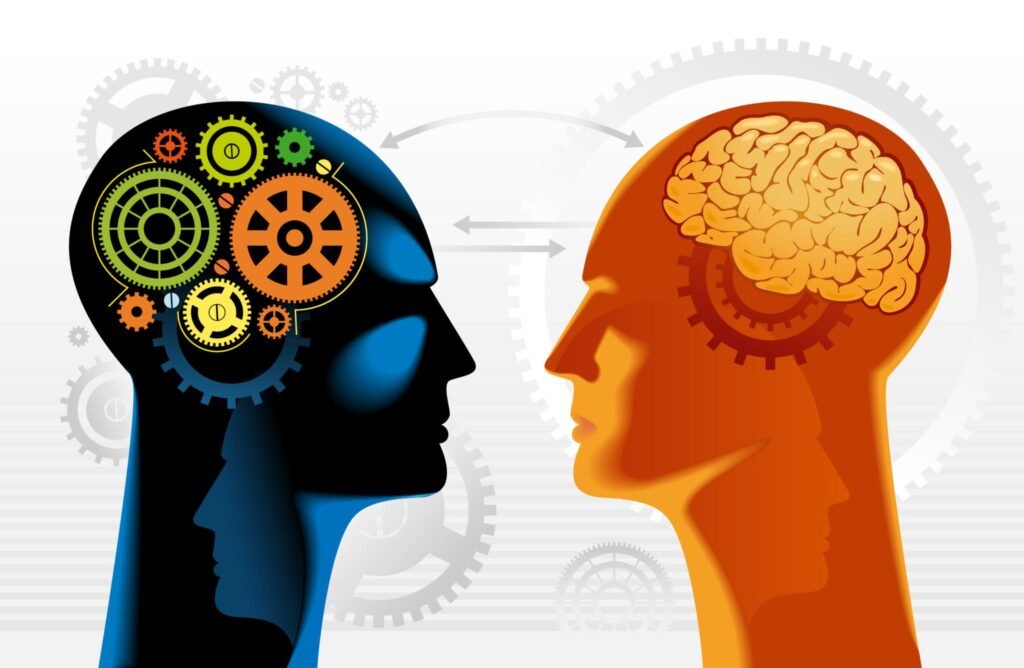
Human Resources (HR) departments are rapidly evolving as organizations adopt advanced technologies to improve employee engagement, recruitment, and internal communication. One of the most transformative technologies driving this change is Natural Language Processing (NLP). NLP, a branch of Artificial Intelligence (AI), enables computers to understand, interpret, and respond to human language in a meaningful way. In modern HR communication, NLP is helping organizations automate repetitive tasks, enhance employee interactions, improve recruitment processes, and deliver personalized communication experiences.
As workplaces become more digital and globally distributed, HR teams face increasing pressure to manage large volumes of employee interactions efficiently. NLP-powered solutions are becoming essential tools for simplifying communication while maintaining accuracy, consistency, and responsiveness across HR operations.
Natural Language Processing combines machine learning, computational linguistics, and artificial intelligence to process human language in text or speech form. In HR environments, NLP systems analyze employee messages, resumes, emails, surveys, support tickets, and internal communication channels to extract meaningful insights and automate workflows.
Modern NLP systems can understand context, identify sentiment, recognize intent, and generate human-like responses. This capability allows HR departments to streamline communication while improving the employee experience.
Traditional HR communication often involves repetitive manual tasks such as answering employee queries, reviewing resumes, scheduling interviews, and processing feedback. NLP automates many of these activities, enabling HR professionals to focus on strategic initiatives instead of administrative work.
One of the most visible applications of NLP in HR is AI-powered chatbots. HR chatbots can answer employee questions related to leave policies, payroll, benefits, onboarding, and company guidelines instantly. Employees no longer need to wait for manual responses from HR representatives, improving communication efficiency and employee satisfaction.
NLP also enhances recruitment communication by automating resume screening and candidate interactions. Recruitment systems powered by NLP can analyze resumes, identify relevant skills, match candidates to job descriptions, and even rank applicants based on suitability. This significantly reduces hiring time and improves recruitment accuracy.
Another important area is employee sentiment analysis. NLP tools analyze employee feedback from surveys, emails, chat platforms, and performance reviews to understand employee emotions, concerns, and workplace satisfaction levels. HR teams can use these insights to improve organizational culture and address issues proactively.
| Benefit | Description |
|---|---|
| Automated Employee Support | AI chatbots provide instant responses to HR-related queries |
| Faster Recruitment | NLP screens resumes and matches candidates efficiently |
| Improved Employee Experience | Personalized communication enhances engagement |
| Sentiment Analysis | Identifies employee satisfaction and workplace concerns |
| Reduced Administrative Work | Automates repetitive communication tasks |
| Multilingual Communication | Supports global workforce interactions |
| Better Decision-Making | Provides data-driven HR insights |
| Increased Efficiency | Accelerates HR workflows and response times |
Recruitment is one of the most resource-intensive HR functions, and NLP has dramatically improved the hiring process. Traditional resume screening requires recruiters to manually review large numbers of applications, which can be time-consuming and inconsistent. NLP-powered recruitment systems automate this process by extracting candidate information, analyzing qualifications, and identifying the best matches for job requirements.
NLP also improves communication with candidates by automating interview scheduling, sending personalized updates, and answering common applicant questions. This creates a smoother candidate experience while reducing recruiter workload.
Additionally, NLP helps eliminate bias in recruitment by focusing on skills, experience, and job relevance rather than subjective evaluation criteria. Many organizations are adopting AI-driven recruitment platforms to improve diversity and hiring accuracy.
Employee engagement is critical for productivity and retention. NLP enables organizations to measure employee sentiment by analyzing textual feedback from surveys, chat messages, performance reviews, and internal communication platforms.
For example, NLP systems can identify patterns of dissatisfaction, stress, or disengagement by detecting emotional tone and recurring concerns in employee communication. HR teams can then take corrective action before issues escalate into larger workplace problems.
Real-time sentiment analysis also helps leadership understand workforce morale during organizational changes, remote work transitions, or policy updates.
AI-driven HR chatbots are becoming increasingly common in modern workplaces. These virtual assistants provide 24/7 support for employees and candidates by answering frequently asked questions, guiding onboarding processes, and assisting with HR documentation.
NLP allows chatbots to understand conversational language naturally rather than relying on rigid keyword-based interactions. Employees can ask questions in their own words, and the chatbot can interpret intent accurately.
Virtual HR assistants improve operational efficiency while ensuring employees receive immediate support without delays.
As organizations expand globally, communication barriers become a major challenge. NLP-powered translation and language processing tools help HR departments communicate effectively with multilingual employees across different regions.
These systems can translate policies, training materials, employee feedback, and internal announcements in real time. This improves inclusivity and ensures consistent communication across international teams.
Multilingual NLP solutions also enhance collaboration in remote and hybrid work environments where employees speak different languages.
Despite its advantages, NLP implementation in HR also comes with challenges. One major concern is data privacy and security because HR systems process sensitive employee information. Organizations must ensure compliance with data protection regulations when using AI-driven communication systems.
Another challenge is language ambiguity. Human language is complex, and NLP systems may sometimes misinterpret tone, sarcasm, or context. Poorly trained AI models can produce inaccurate responses or biased results.
Additionally, successful NLP adoption requires quality datasets, continuous training, and integration with existing HR systems. Organizations must invest in proper AI governance and monitoring to ensure reliable performance.
The future of NLP in HR communication is expected to become even more advanced with the rise of generative AI, predictive analytics, and conversational AI systems. Future HR platforms may provide highly personalized employee experiences, proactive career guidance, intelligent workforce analytics, and advanced emotional intelligence capabilities.
Voice-based HR assistants, AI-driven learning systems, and predictive employee retention models are also likely to become more common in modern workplaces. As NLP technology continues to evolve, HR departments will increasingly shift from administrative functions toward strategic workforce management and employee experience optimization.
Natural Language Processing is playing a transformative role in modern HR communication by improving efficiency, automation, employee engagement, and recruitment processes. From AI-powered chatbots and resume screening to sentiment analysis and multilingual communication, NLP enables HR teams to deliver faster, smarter, and more personalized interactions.
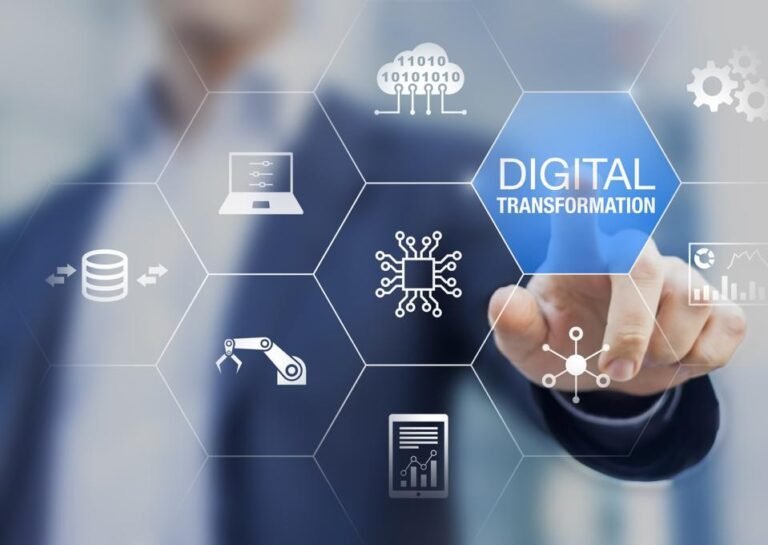
As organizations continue embracing digital transformation, NLP will become a core technology for managing workforce communication in increasingly complex and distributed work environments. Companies that adopt NLP-driven HR solutions can improve employee satisfaction, optimize operations, and build more responsive and data-driven HR ecosystems.