
The Rise of Self-Healing IT Systems

Modern businesses depend heavily on digital infrastructure to manage operations, deliver services, support customers, and maintain competitiveness. As organizations continue moving toward cloud computing, automation, and distributed architectures, IT environments are becoming more complex than ever before. Managing these systems manually is increasingly difficult, especially when downtime, security threats, and performance issues can directly impact business continuity.
To address these challenges, organizations are adopting a new generation of intelligent infrastructure known as self-healing IT systems.
Self-healing IT systems are designed to automatically detect, diagnose, and resolve technical issues with minimal human intervention. By combining artificial intelligence, machine learning, automation, and real-time monitoring, these systems can maintain operational stability while reducing downtime and improving efficiency.
What once seemed like a futuristic concept is rapidly becoming a critical part of modern IT operations.
Understanding Self-Healing IT Systems
A self-healing IT system is an intelligent infrastructure environment capable of identifying operational problems and taking corrective action automatically. Instead of waiting for administrators to manually detect and resolve issues, the system continuously monitors performance, analyzes anomalies, and executes predefined or AI-driven remediation processes.
For example, if a server experiences unusually high memory usage, a self-healing system might automatically restart affected services, allocate additional resources, or reroute workloads to prevent service disruption.
Similarly, if an application crashes unexpectedly, the system may identify the root cause, restore services, and notify administrators simultaneously without requiring manual troubleshooting.
The goal is not to eliminate IT professionals but to reduce repetitive operational tasks and improve system resilience.
Why Traditional IT Management Is Struggling
Traditional IT operations often rely on reactive support models. Teams monitor systems, respond to alerts, investigate problems, and manually implement fixes after issues occur. While this approach worked for smaller infrastructures, modern enterprise environments generate massive amounts of operational data and require near-continuous availability.
Today’s IT ecosystems may include:
- Cloud platforms
- Hybrid infrastructures
- Microservices architectures
- Containerized applications
- Remote workforce systems
- IoT devices
- Multi-region deployments
Managing these environments manually creates significant operational pressure on IT teams.
As infrastructure complexity increases, human response times become slower compared to the speed at which modern systems operate. Businesses can no longer afford prolonged outages or delayed troubleshooting processes, especially in industries where digital services are critical.
Self-healing systems help organizations shift from reactive IT management to proactive and autonomous operations.
The Technologies Powering Self-Healing Systems
The rise of self-healing IT environments is driven by several advanced technologies working together. Artificial Intelligence and machine learning play a major role by analyzing patterns, predicting failures, and identifying abnormal behavior before issues escalate.
Automation platforms allow systems to execute remediation actions automatically. Real-time monitoring tools continuously collect infrastructure metrics, application logs, and performance data to provide operational visibility.
Predictive analytics also contribute significantly by identifying early warning signs of hardware failures, resource bottlenecks, or unusual traffic patterns.
Together, these technologies enable systems to detect problems, make decisions, and respond intelligently without waiting for human intervention.
How Self-Healing Systems Work
Self-healing systems generally follow a continuous operational cycle involving monitoring, analysis, decision-making, and automated remediation.
| Stage | Function | Example |
|---|---|---|
| Monitoring | Tracks system performance and infrastructure health | Detects abnormal CPU usage |
| Detection | Identifies anomalies or failures | Recognizes application crash |
| Diagnosis | Determines possible root cause | Finds memory leak in service |
| Remediation | Executes automated corrective action | Restarts affected service |
| Verification | Confirms issue resolution | Checks application availability |
This automated workflow allows organizations to resolve many technical problems before users even notice disruptions.
Benefits of Self-Healing IT Systems
One of the most significant benefits of self-healing systems is reduced downtime. Even short outages can lead to financial losses, operational disruptions, and damaged customer trust. By responding instantly to failures, self-healing systems help maintain service continuity.
Another major advantage is improved operational efficiency. IT teams spend less time handling repetitive troubleshooting tasks and more time focusing on strategic initiatives such as infrastructure optimization, innovation, and security improvements.
Self-healing systems also improve scalability. As businesses grow, infrastructure demands increase rapidly. Automated remediation allows organizations to manage larger and more complex environments without proportionally increasing operational staffing requirements.
In addition, these systems support better customer experiences by reducing service interruptions and improving application reliability.
The Role of AI in Autonomous IT Operations
Artificial Intelligence is becoming the foundation of autonomous IT operations. AI-driven systems can process enormous volumes of operational data far faster than humans, enabling them to identify patterns and anomalies with greater accuracy.
Machine learning models continuously improve over time by learning from historical incidents and operational behavior. This allows self-healing systems to become more effective at predicting and preventing failures.
For example, AI systems may recognize that certain infrastructure behaviors historically lead to server crashes or application slowdowns. The system can then take preventive action before the issue impacts users.
This predictive capability is one of the key reasons businesses are investing heavily in AI-powered operational technologies.
Self-Healing Systems in Cloud and DevOps Environments
Cloud computing and DevOps practices have accelerated the adoption of self-healing infrastructure. Modern cloud-native environments often use containers, orchestration platforms, and distributed services that require dynamic management.
Technologies such as Kubernetes already include basic self-healing capabilities. If a container fails, Kubernetes can automatically restart it or deploy a replacement instance. Similarly, cloud platforms can automatically scale resources based on demand spikes.
In DevOps environments, self-healing systems support continuous deployment pipelines by detecting failed deployments, rolling back problematic releases, and maintaining application stability.
These capabilities are helping organizations achieve higher levels of automation and operational resilience.
Cybersecurity and Self-Healing Infrastructure
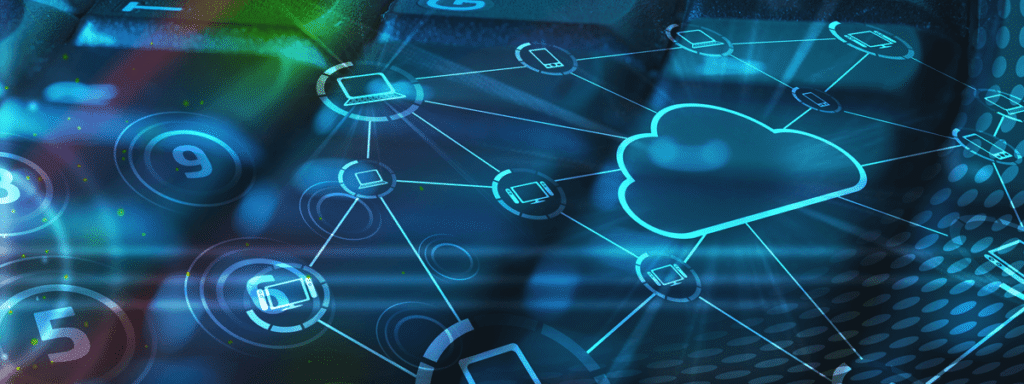
Cybersecurity is another area where self-healing systems are becoming increasingly important. Modern cyber threats evolve rapidly, making manual threat response difficult in many situations.
AI-powered security systems can automatically detect suspicious activity, isolate compromised devices, block malicious traffic, and apply remediation actions without waiting for human approval.
For example, if unusual login activity is detected, a self-healing security system may automatically lock affected accounts, trigger additional authentication requirements, and alert security teams.
This rapid response capability helps organizations reduce the impact of security incidents and improve overall cyber resilience.
Challenges and Risks of Self-Healing Systems
Despite their advantages, self-healing systems also introduce several challenges. One major concern is trust. Organizations must ensure automated remediation processes do not unintentionally create new problems or disrupt critical services.
Incorrect AI predictions or poorly configured automation rules could potentially trigger unnecessary actions that affect system stability.
Another challenge is integration complexity. Many enterprises operate legacy systems that may not easily support autonomous operational models.
Security is also a critical consideration. Self-healing systems often require deep infrastructure access and automation privileges, which must be carefully protected to prevent misuse or cyberattacks.
Organizations must therefore implement strong governance, monitoring, and human oversight when deploying autonomous operational technologies.
The Future of Self-Healing IT Infrastructure
The future of IT operations is moving steadily toward autonomous infrastructure management. As AI, automation, and predictive analytics continue evolving, self-healing capabilities will likely become standard features in enterprise environments.
Future systems may be able to:
- Predict failures days before they occur
- Optimize infrastructure performance automatically
- Self-patch vulnerabilities
- Reconfigure networks dynamically
- Prevent outages proactively
- Coordinate remediation across multiple environments
Eventually, businesses may operate highly autonomous digital ecosystems where human teams focus primarily on strategy, architecture, and innovation rather than routine operational maintenance.
This transformation is expected to redefine how organizations manage technology infrastructure in the coming years.
Why Businesses Are Investing in Self-Healing Technologies
Organizations are under constant pressure to maintain uptime, reduce operational costs, improve security, and support growing digital demands. Manual operational models are becoming increasingly unsustainable as infrastructure complexity grows.
Self-healing systems offer businesses a way to improve operational resilience while reducing dependency on repetitive manual intervention.
Companies adopting these technologies are often motivated by goals such as:
- Improving system reliability
- Reducing downtime costs
- Enhancing customer experience
- Accelerating incident response
- Increasing operational efficiency
- Supporting large-scale digital transformation
As AI-powered operations mature, businesses that invest early in self-healing infrastructure may gain significant operational advantages over competitors relying on traditional IT management approaches.
Conclusion
The rise of self-healing IT systems represents a major shift in how organizations manage digital infrastructure. By combining artificial intelligence, automation, predictive analytics, and real-time monitoring, businesses can create more resilient and efficient operational environments.
As IT ecosystems continue becoming more complex, traditional reactive support models are no longer sufficient for maintaining modern digital services. Self-healing systems provide a proactive and intelligent approach that reduces downtime, strengthens security, and improves operational scalability.
While challenges related to governance, security, and integration still exist, the long-term benefits of autonomous infrastructure management are becoming increasingly clear.
In the future, self-healing IT systems may become as essential to enterprise operations as cloud computing and cybersecurity are today.