Understanding DNS, Hosting, and Domains
Understanding DNS, Hosting, and Domains –
In today’s digital world, having an online presence starts with three fundamental components: domains, hosting, and DNS. While these terms are often used together, they serve very different purposes in making a website accessible on the internet. For beginners and even growing businesses, understanding how these elements work together is essential for building and managing a reliable web presence.
What is a Domain?
A domain name is the address of your website that users type into their browser to visit your site, such as www.yourcompany.com. Instead of remembering complex numerical IP addresses, domains provide a human-friendly way to access websites. Every domain is unique and must be registered through a domain registrar. It acts as your digital identity and plays an important role in branding, credibility, and accessibility.
What is Web Hosting?
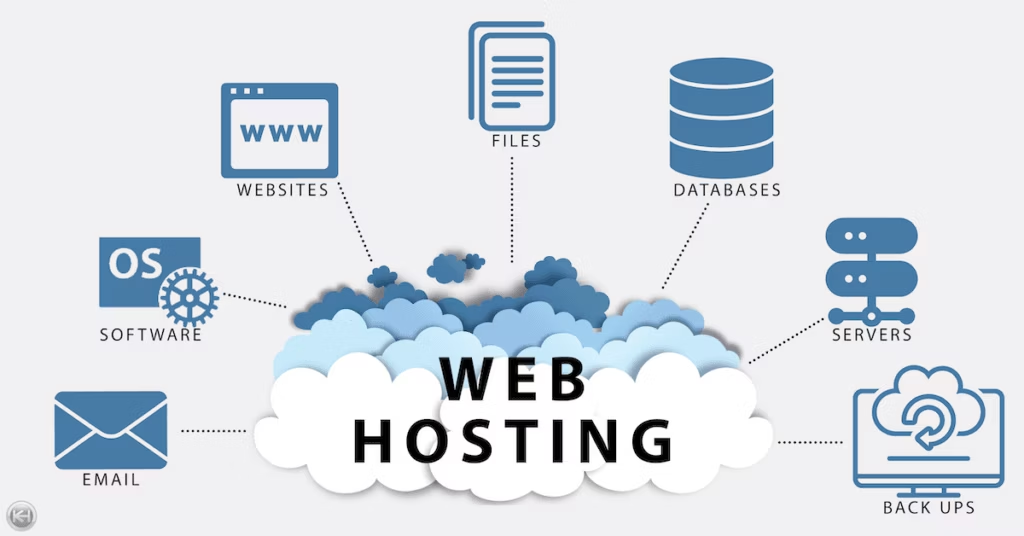
Web hosting is the service that stores your website’s files, data, and content on a server, making it accessible over the internet. When someone visits your domain, the hosting server delivers the website content to their browser. Hosting providers offer different types of services such as shared hosting, VPS (Virtual Private Server), and dedicated hosting, depending on your performance and scalability needs. Without hosting, your domain would not display any website content.
What is DNS?
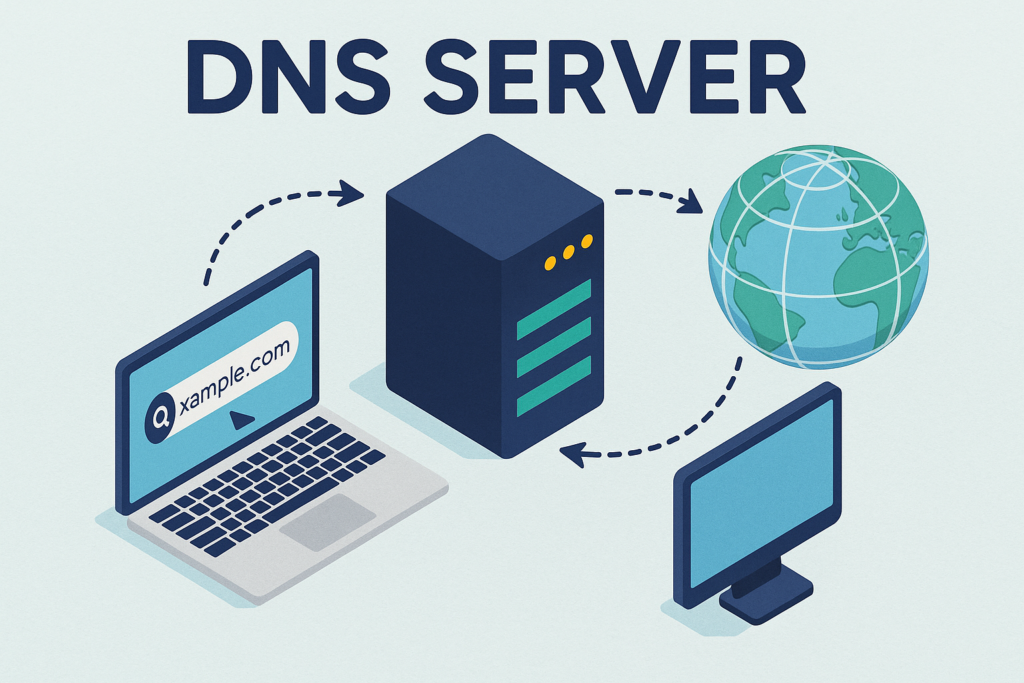
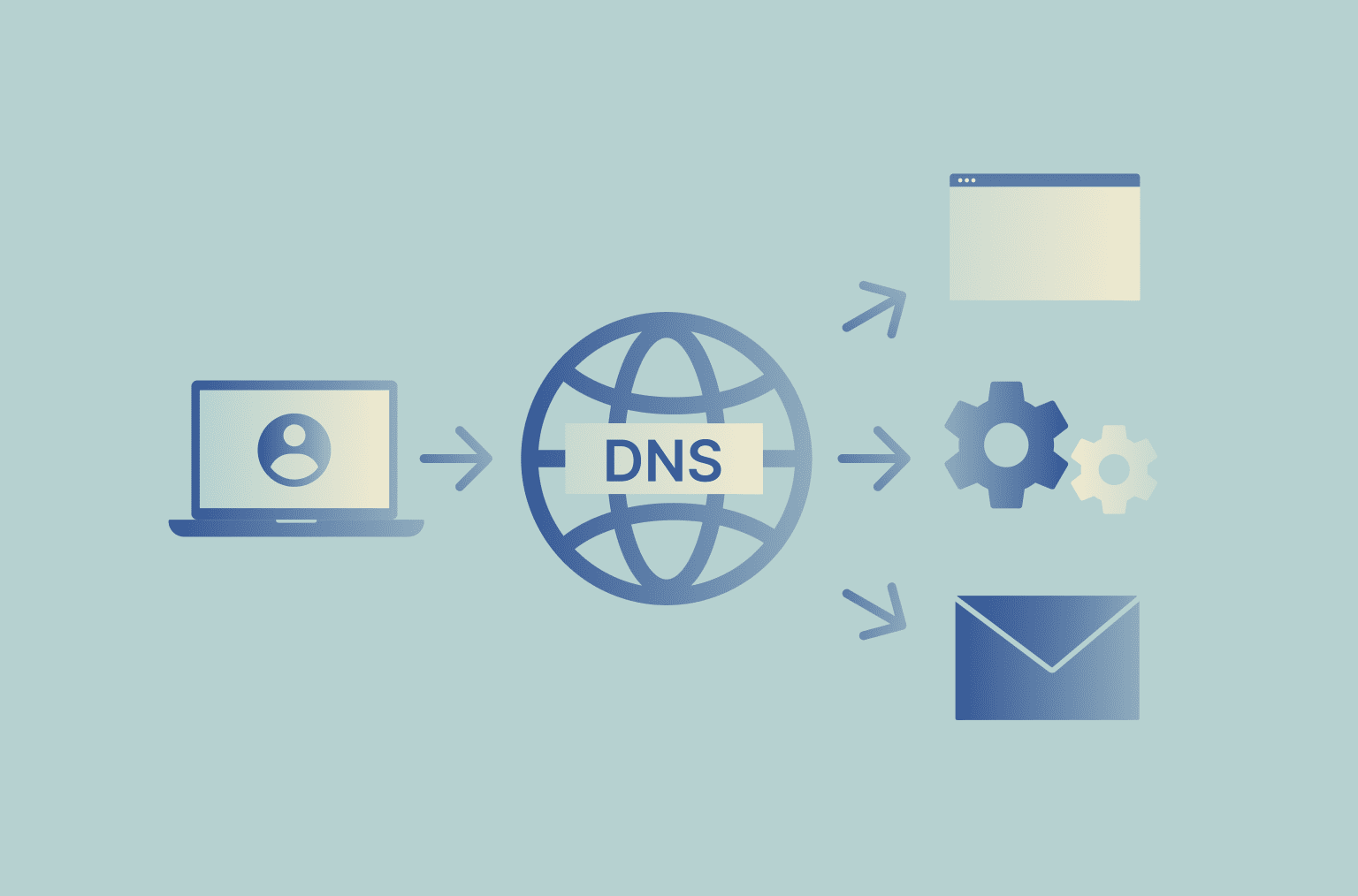
DNS, or Domain Name System, acts as the bridge between your domain name and your hosting server. It translates human-readable domain names into machine-readable IP addresses. When a user enters your domain in a browser, DNS servers look up the corresponding IP address and direct the request to the correct hosting server. This process happens in milliseconds but is critical for ensuring that users reach the right website.
How They Work Together –
Domains, hosting, and DNS function as a connected system. The domain is your website’s address, hosting is where your website lives, and DNS ensures that users are directed to the correct location. For example, when someone types your domain name into a browser, DNS translates it into an IP address, and then the hosting server responds by loading your website. If any one of these components is misconfigured, your website may become inaccessible.
Key Differences at a Glance –
| Component | Purpose | Example Role |
|---|---|---|
| Domain | Website address | www.example.com |
| Hosting | Stores website files | Server where website is hosted |
| DNS | Connects domain to hosting | Translates domain to IP address |
Common Issues and Misconceptions –
Many people assume that buying a domain automatically means their website is live, but this is not the case. A domain must be connected to a hosting service through proper DNS configuration. Another common issue is DNS propagation delay, where changes to DNS records take time to update globally. Misconfigured DNS settings can also lead to downtime, email issues, or incorrect website routing. Understanding these basics helps in troubleshooting common problems effectively.
Why This Knowledge Matters –
Whether you are a developer, business owner, or marketer, understanding domains, hosting, and DNS helps you make better decisions about your online infrastructure. It allows you to manage your website more efficiently, communicate better with technical teams, and quickly resolve issues when they arise. This knowledge is especially valuable when setting up new websites, migrating hosting providers, or configuring email and security settings.
Conclusion –
Domains, hosting, and DNS are the building blocks of the internet. Each plays a distinct role, but they must work together seamlessly to ensure that a website is accessible and performs reliably. By understanding how these components interact, you can build a strong foundation for your online presence and avoid common pitfalls that may affect your website’s performance and availability.