Physical Address
304 North Cardinal St.
Dorchester Center, MA 02124
Physical Address
304 North Cardinal St.
Dorchester Center, MA 02124

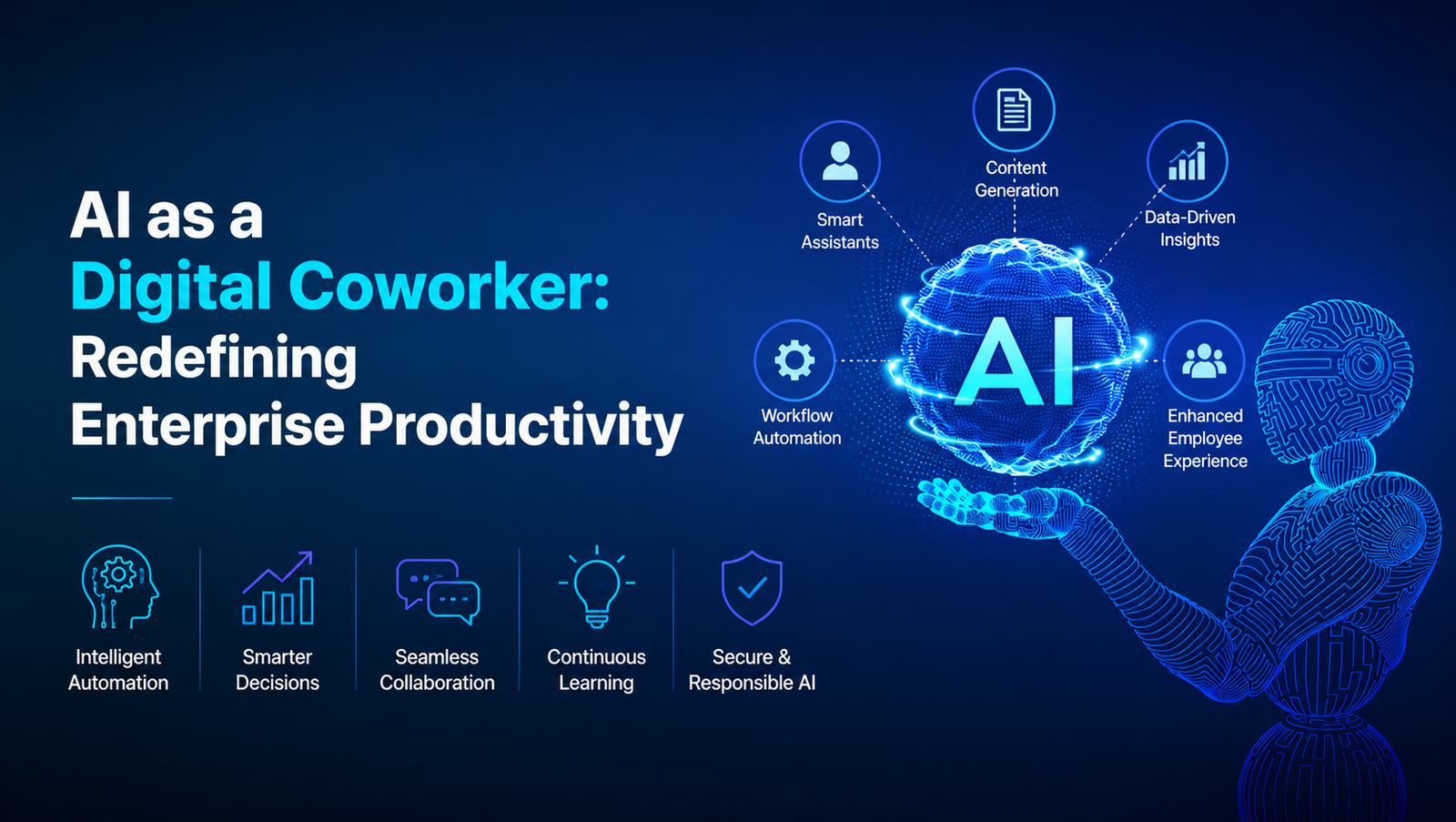
Artificial Intelligence (AI) has rapidly evolved from a background automation tool into an active participant in the workplace. In 2026, AI is no longer just assisting employees—it is working alongside them as a digital coworker. This shift is fundamentally redefining enterprise productivity by enabling smarter decision-making, automating complex workflows, and enhancing human capabilities across departments.
Unlike traditional tools, AI-powered digital coworkers are designed to collaborate, learn, and adapt. They can understand context, generate insights, and even take initiative, making them an integral part of modern business operations.
In the past, AI was primarily used for basic automation—handling repetitive tasks such as data entry or simple customer queries. Today, AI systems have become far more advanced, capable of understanding natural language, analyzing large datasets, and interacting in real time.
This evolution has transformed AI from a passive tool into an active team member. Digital coworkers can now assist in strategic planning, content creation, customer engagement, and even technical problem-solving. As a result, employees are able to focus more on high-value, creative, and strategic work.
AI as a digital coworker is not limited to a single function—it is being integrated across various departments to drive productivity and efficiency.
In marketing, AI helps analyze customer behavior, generate personalized campaigns, and optimize content performance. In sales, it provides real-time insights, predicts customer needs, and recommends next-best actions. In IT operations, AI monitors systems, detects anomalies, and resolves issues proactively.
Key areas where AI enhances productivity include:
By embedding AI into daily workflows, organizations can significantly reduce manual effort and improve overall efficiency.
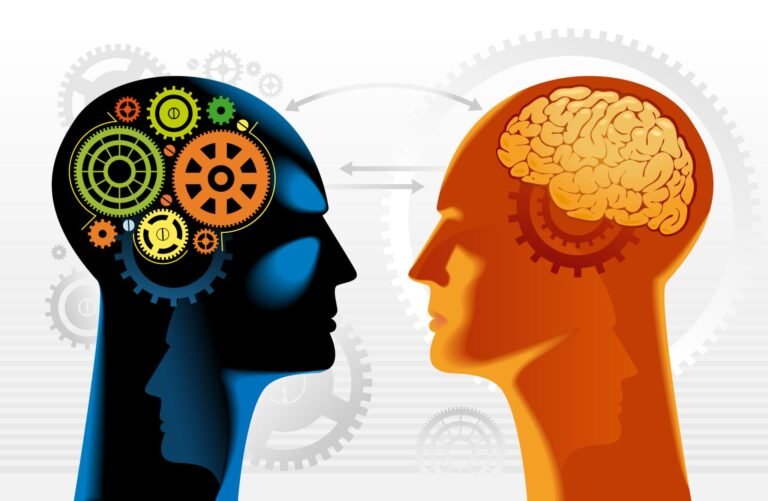
One of the most important aspects of AI as a digital coworker is its ability to collaborate with humans. Rather than replacing employees, AI augments their capabilities by providing support, insights, and automation.
For example, AI can assist professionals by summarizing meetings, drafting emails, analyzing reports, and generating ideas. It can also act as a knowledge assistant, helping employees quickly access relevant information and make informed decisions.
This collaborative approach creates a more productive and empowered workforce, where humans and AI work together to achieve better outcomes.
AI is also transforming the employee experience by delivering personalized work environments. Digital coworkers can adapt to individual preferences, work styles, and roles, providing tailored support to each employee.
This personalization includes:
By aligning with individual needs, AI helps employees work more efficiently and effectively.
Beyond simple tasks, AI is now capable of automating complex, multi-step workflows that traditionally required significant human involvement. These workflows span across departments and systems, improving coordination and reducing delays.
Examples of advanced automation include:
This level of automation not only increases efficiency but also ensures consistency and accuracy in business operations.
AI-powered digital coworkers excel at processing and analyzing large volumes of data. They can identify patterns, generate insights, and provide actionable recommendations in real time.
This enables organizations to shift from intuition-based decisions to data-driven strategies. Leaders can rely on AI to evaluate scenarios, predict outcomes, and optimize business processes, resulting in more informed and effective decision-making.
While the benefits of AI as a digital coworker are significant, organizations must also address certain challenges to ensure successful implementation.
Some key considerations include:
Organizations must adopt a balanced approach, combining technological innovation with responsible practices and employee engagement.
The integration of AI as a digital coworker is shaping the future of work. As AI continues to evolve, its role in the workplace will expand, enabling even deeper collaboration and innovation.
Enterprises will move toward hybrid work environments where humans and AI operate seamlessly together. This will lead to increased agility, faster innovation cycles, and improved business outcomes.
In 2026, AI as a digital coworker is transforming enterprise productivity by redefining how work is performed. By automating tasks, providing intelligent insights, and enabling seamless collaboration, AI is empowering employees to achieve more with less effort.
Rather than replacing human workers, AI enhances their capabilities and opens new opportunities for innovation and growth. Organizations that embrace this shift will not only improve efficiency but also create a more dynamic, intelligent, and future-ready workforce.